What Is an Infratemporal Abscess?
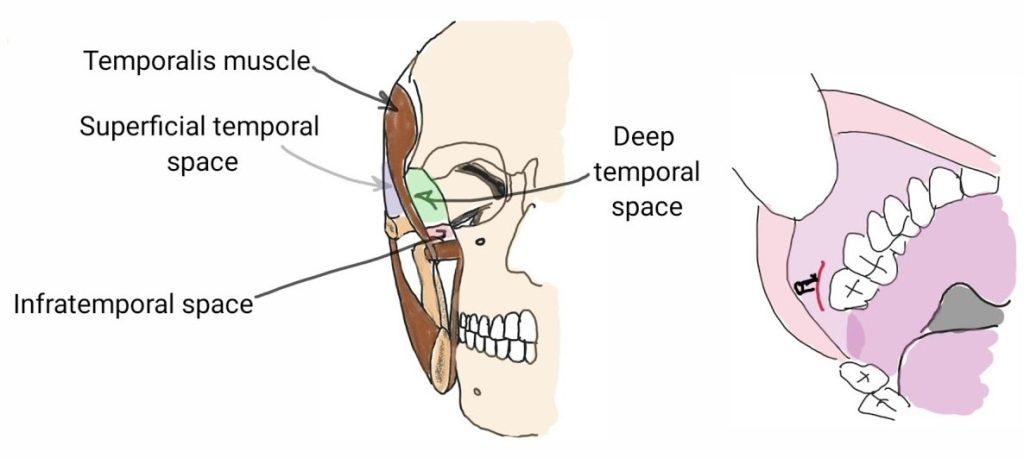
An infratemporal abscess is a collection of pus that forms in the infratemporal fossa, a deep space located behind the upper jaw and beneath the base of the skull. This rare but potentially serious condition usually arises from the spread of infection from nearby areas, such as the teeth, sinuses, or oral cavity.
Because the infratemporal fossa is close to important nerves and blood vessels, the infection can lead to severe complications if not treated promptly.
What Causes an Infratemporal Abscess?
An infratemporal abscess can develop from:
- Dental infections, especially from upper molars
- Tonsillitis or pharyngitis spreading into deep facial spaces
- Sinus infections (especially maxillary or sphenoid sinusitis)
- Trauma or surgery involving the jaw or upper face
- Spread of infection from skin boils or cellulitis in the facial area
- Infected hematoma or foreign object in the region
What Are the Symptoms?
Symptoms may include:
- Severe facial pain, especially near the jaw or temple
- Swelling of the cheek or face
- Difficulty opening the mouth (trismus)
- Fever and chills
- Redness and warmth in the affected area
- Tenderness on deep palpation behind the upper jaw
- Pain while chewing or speaking
- Headache or earache
In some cases, neurological symptoms like numbness or double vision may occur if nearby nerves are affected.
How Is It Diagnosed?
Diagnosis is based on:
- Physical examination (checking for swelling, trismus, and tenderness)
- Medical history (recent dental infections or sinus issues)
- Imaging studies, such as:
- CT scan – the most effective tool for identifying the abscess location and extent
- MRI – may be used if deeper structures are involved
- Aspiration or drainage of pus (if accessible) for laboratory testing and culture
How Is It Treated?
Treatment focuses on eliminating the infection and relieving pressure in the affected area.
Medical Treatment:
- Intravenous antibiotics to fight the infection
- Pain relievers and anti-inflammatory medications
- Monitoring for complications or spread of infection
Surgical Treatment:
- Incision and drainage of the abscess via a surgical approach (intraoral or external, depending on location and severity)
- Removal of the source of infection, such as an infected tooth
- Hospitalization may be required for close observation and intravenous therapy
What Are the Possible Complications?
If not treated quickly, complications may include:
- Spread of infection to the brain (e.g., cavernous sinus thrombosis)
- Sepsis (a life-threatening body-wide infection)
- Damage to nearby nerves, leading to facial weakness or numbness
- Chronic pain or persistent swelling
- Restricted jaw movement
Who Is at Risk?
- People with untreated dental infections
- Those with recurrent tonsillitis or sinus infections
- Individuals with weakened immune systems
- Patients who recently had facial trauma or surgery
How Can It Be Prevented?
- Maintain good oral hygiene and treat dental infections promptly
- Seek medical care for persistent sinus or throat infections
- Avoid self-treatment of facial infections or boils
- Follow proper care after dental or maxillofacial procedures
When Should You See a Doctor?
Seek immediate medical attention if you experience:
- Severe facial swelling or pain
- Difficulty opening your mouth
- High fever with chills
- Neurological symptoms like facial numbness or visual changes
- Signs of infection that don’t improve with over-the-counter treatment