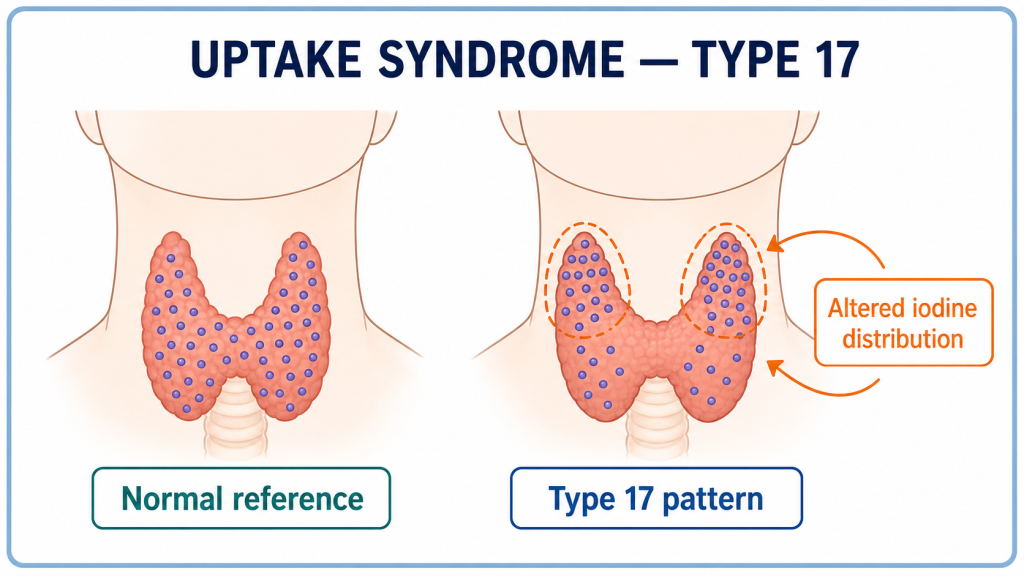
What is Uptake Syndrome Type 17?
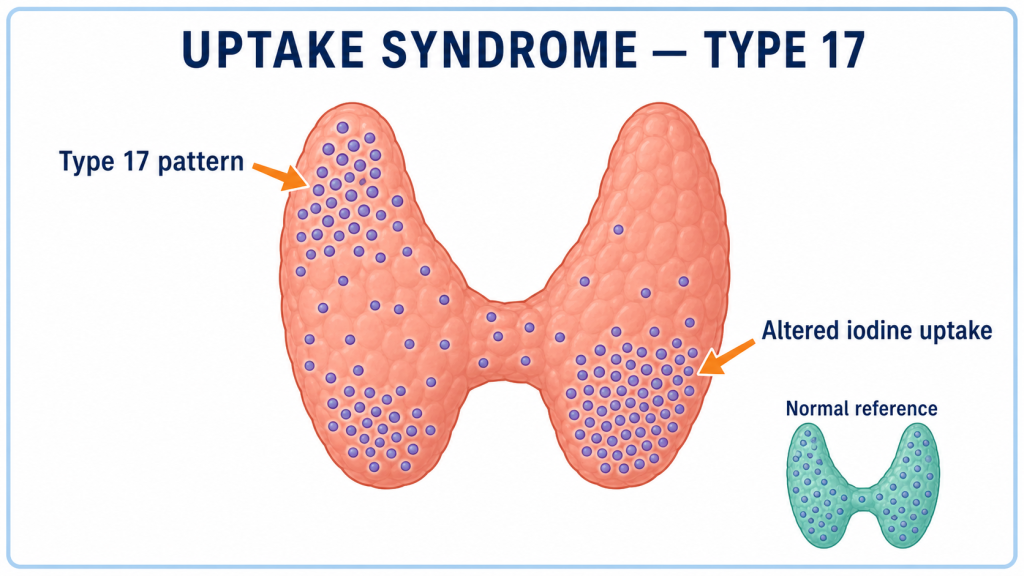
Uptake Syndrome Type 17 is a rare inherited metabolic disorder characterized by defective cellular uptake of essential molecules such as amino acids, vitamins, or neurotransmitters. This impairment causes metabolic imbalances that affect growth, neurological development, and overall organ function. The syndrome results from genetic mutations affecting transporter proteins responsible for moving these substances into cells.
What Causes Uptake Syndrome Type 17?
- Genetic mutations in genes that code for specific transporter proteins.
- Inherited mostly in an autosomal recessive pattern, meaning both parents must carry the mutated gene.
- These mutations disrupt the normal cellular uptake process, leading to deficiencies or toxic accumulation of certain molecules.
Symptoms of Uptake Syndrome Type 17
Symptoms typically emerge in infancy or early childhood and may include:
- Developmental delays and intellectual disabilities.
- Muscle weakness or hypotonia (low muscle tone).
- Seizures or other neurological abnormalities.
- Failure to thrive or poor growth.
- Metabolic disturbances such as hypoglycemia or acidosis.
- Possible involvement of multiple organs depending on the affected molecules.
How is Uptake Syndrome Type 17 Diagnosed?
Diagnosis involves:
- Clinical evaluation of symptoms related to development and neurological function.
- Genetic testing to identify mutations in the relevant transporter genes.
- Biochemical tests measuring metabolites in blood or urine.
- Functional assays to assess the efficiency of cellular uptake.
- Imaging studies like MRI may be used to evaluate neurological involvement.
How is Uptake Syndrome Type 17 Treated?
- Symptomatic management such as controlling seizures and supporting muscle function.
- Dietary modifications including supplementation or restriction based on the metabolic defect.
- Medications aimed at correcting metabolic imbalances.
- Rehabilitative therapies such as physical, occupational, and speech therapy.
- Genetic counseling for affected families to understand inheritance and risks.
Prognosis of Uptake Syndrome Type 17
- The prognosis depends on the severity of the disease and how early treatment is initiated.
- Early diagnosis and intervention can improve developmental outcomes.
- Some individuals may experience progressive symptoms despite therapy.
Can Uptake Syndrome Type 17 Be Prevented?
- Prevention strategies include:
- Genetic counseling for families with a history of the disorder.
- Prenatal testing in pregnancies at risk.
- Early detection and management to minimize complications.
When Should You See a Doctor?
Seek medical attention if you notice:
- Delays in development or neurological symptoms in infants or young children.
- Seizures or unexplained metabolic issues.
- Muscle weakness or poor growth.
- A family history of inherited metabolic disorders.