What Is Russell Body Esophagitis?
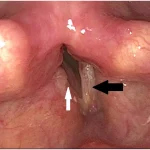
Russell Body Esophagitis (RBE) is a rare gastrointestinal condition characterized by the presence of Russell bodies—eosinophilic, immunoglobulin-containing inclusions—within plasma cells in the esophageal mucosa. This condition is often associated with chronic inflammatory states and has been reported in various contexts, including infections and hematologic malignancies.

What Are the Symptoms of Russell Body Esophagitis?
Symptoms of RBE may include:
- Dysphagia: Difficulty swallowing
- Odynophagia: Painful swallowing
- Epigastric pain: Discomfort in the upper abdomen
- Nausea and vomiting: Digestive disturbances
- Weight loss: Unintentional loss of body weight
These symptoms can vary depending on the underlying cause and severity of the condition.
What Causes Russell Body Esophagitis?
The exact cause of RBE is not fully understood, but it is believed to result from:
- Chronic inflammation: Persistent inflammatory conditions can lead to plasma cell proliferation and the formation of Russell bodies.
- Infections: Certain infections, such as herpes simplex virus, have been associated with RBE.
- Hematologic malignancies: Conditions like lymphoplasmacytic lymphoma can present with RBE as part of their manifestation.
How Is Russell Body Esophagitis Diagnosed?
Diagnosis of RBE typically involves:
- Endoscopy: Upper gastrointestinal endoscopy may reveal characteristic findings, such as salmon-colored mucosa or nodules.
- Biopsy: Histopathological examination of esophageal tissue samples is essential. The presence of plasma cells containing Russell bodies is diagnostic.
- Immunohistochemistry: Staining for plasma cell markers (e.g., CD138, CD79a) and immunoglobulin light chains can confirm the diagnosis and assess clonality.
What Are the Treatment Options for Russell Body Esophagitis?
Treatment of RBE focuses on addressing the underlying cause:
- Infections: Antiviral or antifungal therapies may be administered if an infectious etiology is identified.
- Chronic inflammation: Management of the underlying inflammatory condition is crucial.
- Hematologic malignancies: Treatment may involve chemotherapy, immunotherapy, or other modalities specific to the malignancy.
Supportive care, such as proton pump inhibitors for acid suppression, may also be beneficial.

What Is the Prognosis for Individuals with Russell Body Esophagitis?
The prognosis of RBE varies depending on the underlying cause:
- Infectious causes: With appropriate treatment, the prognosis is generally favorable.
- Chronic inflammatory conditions: Prognosis depends on the control of the underlying disease.
- Hematologic malignancies: Prognosis is contingent upon the type and stage of the malignancy and the response to treatment.
Early diagnosis and appropriate management are key to improving outcomes.
How Can Russell Body Esophagitis Be Prevented?
As RBE is often secondary to other conditions, prevention strategies include:
- Management of chronic inflammatory diseases: Effective control of underlying conditions can reduce the risk of RBE.
- Prompt treatment of infections: Early intervention can prevent complications.
- Regular screening: For individuals with known risk factors, regular monitoring may help in early detection.