


What is a Mini-Stroke (TIA)?
A Mini-Stroke, also known as a Transient Ischemic Attack (TIA), is a temporary blockage of blood flow to the brain. Unlike a full stroke, the symptoms of a TIA last only a few minutes to a few hours and resolve completely within 24 hours. However, it serves as a serious warning sign that a full stroke may happen in the future.
What causes a Mini-Stroke?
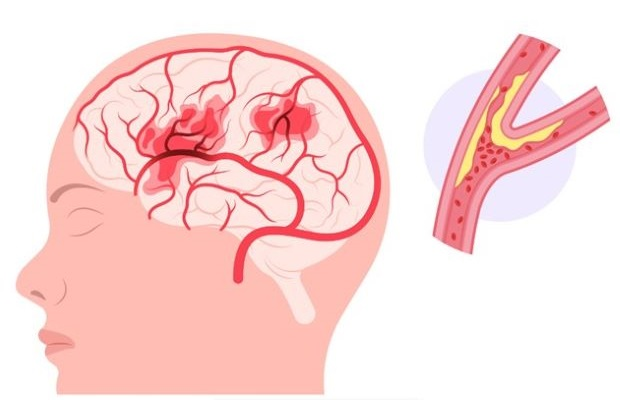
A mini-stroke is caused by a brief interruption of blood supply to part of the brain, usually due to:
- A small blood clot
- Narrowed or damaged blood vessels
- Atherosclerosis (build-up of plaque in arteries)
- Heart-related issues, such as atrial fibrillation
The blockage is temporary, and blood flow returns on its own, which is why the symptoms don’t last long.
Who is at risk for a Mini-Stroke?
Risk factors include:
- High blood pressure
- High cholesterol
- Diabetes
- Smoking
- Obesity
- Sedentary lifestyle
- Family history of stroke or TIA
- Heart disease, especially atrial fibrillation
- Age over 55
What are the symptoms of a Mini-Stroke?
Symptoms of a TIA are similar to a stroke but are temporary. They include:
- Sudden weakness or numbness in the face, arm, or leg (especially on one side)
- Slurred speech or difficulty speaking
- Sudden confusion or trouble understanding
- Loss of vision in one or both eyes
- Dizziness, loss of balance, or coordination
- Sudden severe headache with no known cause
Symptoms typically resolve within minutes to hours.
How is a Mini-Stroke diagnosed?

Even if symptoms resolve quickly, a TIA should always be taken seriously. Diagnosis includes:
- Medical history and physical exam
- CT scan or MRI to rule out a stroke or other brain issues
- Carotid ultrasound to check for narrowed arteries
- Echocardiogram to assess heart function
- Blood tests to check cholesterol, blood sugar, and clotting factors
- Electrocardiogram (ECG) to detect heart rhythm problems
How is a Mini-Stroke treated?
While symptoms may go away on their own, treatment is essential to prevent a future stroke:
- Antiplatelet medications like aspirin or clopidogrel
- Blood thinners if due to heart rhythm problems (e.g., atrial fibrillation)
- Cholesterol-lowering drugs (statins)
- Blood pressure medications
- Lifestyle changes, such as quitting smoking and eating a heart-healthy diet
- Surgery may be considered in some cases, such as carotid endarterectomy if there’s severe artery narrowing
Can a Mini-Stroke be prevented?
Yes, many TIAs and strokes are preventable through:
- Controlling blood pressure and cholesterol
- Managing diabetes
- Avoiding smoking and alcohol abuse
- Eating a balanced diet (low in salt, sugar, and unhealthy fats)
- Regular physical activity
- Taking prescribed medications consistently
- Monitoring and treating heart conditions
What is the outlook after a Mini-Stroke?
Although symptoms disappear, a mini-stroke is a major red flag. Statistics show that:
- 1 in 3 people who have a TIA will go on to have a stroke
- Half of those strokes occur within the first year after a TIA
