What Is Morton’s Neuroma?
Morton’s neuroma is a condition that affects the foot, specifically the area between the toes. It involves the thickening of the tissue around one of the nerves leading to the toes, typically the nerve between the third and fourth toes. This thickening can cause pain, discomfort, and other symptoms due to nerve irritation and compression.
Morton’s neuroma is not actually a tumor but rather a benign growth of nerve tissue, often resulting from irritation, injury, or repetitive stress to the foot. The condition is common in people who wear tight or ill-fitting shoes, especially those with high heels, which place pressure on the toes.
What Causes Morton’s Neuroma?
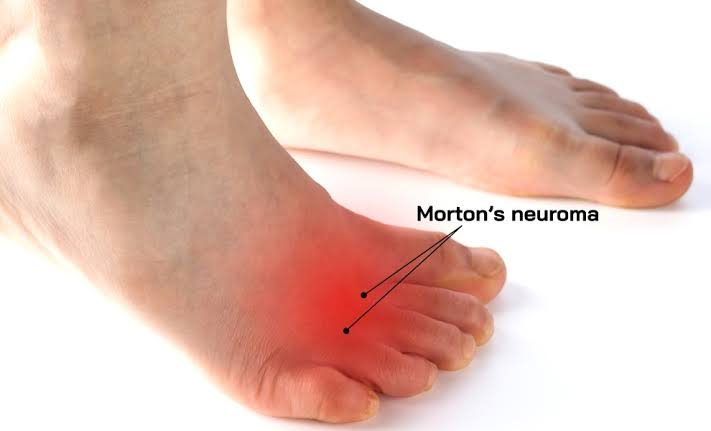
The exact cause of Morton’s neuroma is not always clear, but several factors can contribute to the development of this condition, including:
- Foot deformities: Conditions like flat feet, high arches, or bunions can alter the foot’s biomechanics, leading to increased pressure on the nerves.
- Tight shoes: Wearing shoes that squeeze the toes together, such as high heels or narrow-toed shoes, can irritate the nerve and lead to neuroma formation.
- Repetitive stress: Activities that involve repetitive stress on the feet, such as running, dancing, or walking long distances, can increase the risk.
- Injury or trauma: A foot injury or trauma, such as dropping something heavy on the foot or twisting the foot awkwardly, can contribute to nerve compression.
- Age and gender: Morton’s neuroma is more common in women, likely due to the higher use of tight-fitting shoes and high heels. It most commonly affects individuals between the ages of 40 and 60.
Who Is at Risk for Morton’s Neuroma?
Certain factors increase the likelihood of developing Morton’s neuroma, including:
- Gender: Women are more likely to develop Morton’s neuroma due to the types of footwear they often wear.
- Foot structure: People with structural issues like flat feet, high arches, or bunion deformities may be at higher risk.
- Occupation or activities: Jobs or activities that involve prolonged periods of standing, walking, or running, especially on hard surfaces, increase the risk.
- Age: Although it can occur at any age, Morton’s neuroma is more common in individuals aged 40-60.
What Are the Symptoms of Morton’s Neuroma?
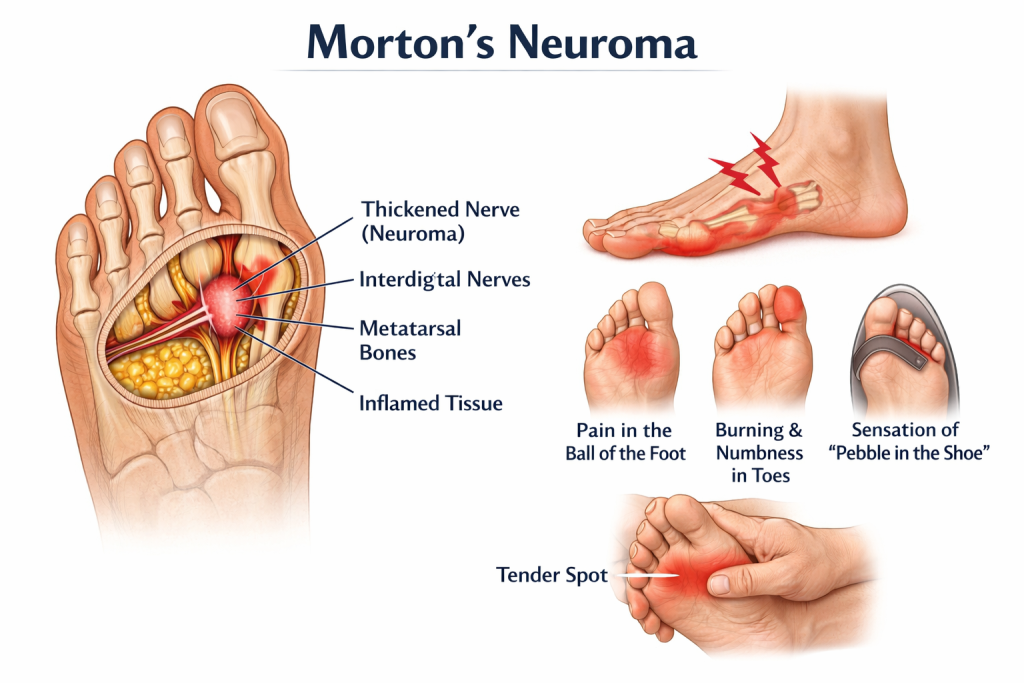
The symptoms of Morton’s neuroma can vary but generally include:
- Sharp, burning pain: A feeling of sharp, burning pain in the ball of the foot, especially between the third and fourth toes. The pain may worsen with walking, standing, or wearing shoes.
- Numbness or tingling: There may be a sensation of numbness, tingling, or a “pins-and-needles” feeling in the toes.
- Pain relief when not wearing shoes: The pain may subside when you remove tight shoes or rest your feet.
- Swelling or feeling of a lump: Some people may feel a small lump or mass in the ball of the foot, although this is not always present.
- Worsening pain with activity: The pain may intensify with activities such as running, walking, or standing for long periods.
In severe cases, the pain can become constant and significantly affect daily activities.
How Is Morton’s Neuroma Diagnosed?
Diagnosing Morton’s neuroma typically involves a physical examination, along with a review of the patient’s symptoms and medical history. The following methods are often used:
- Physical examination: The doctor may apply pressure to the foot and palpate (feel) the area between the toes to check for tenderness, swelling, or a lump.
- Imaging tests: X-rays may be used to rule out other conditions such as fractures or arthritis. While X-rays cannot directly diagnose Morton’s neuroma, they can help identify other foot problems. In some cases, an MRI or ultrasound may be used to confirm the diagnosis by visualizing the thickened nerve tissue.
- Nerve block: If a nerve block is performed and the pain temporarily resolves, it can confirm the diagnosis of Morton’s neuroma.
How Is Morton’s Neuroma Treated?
Treatment for Morton’s neuroma varies depending on the severity of the condition and the individual’s symptoms. Treatment options include:
Conservative (Non-Surgical) Treatment
- Footwear changes: Wearing shoes with a wide toe box, low heels, and good arch support can reduce pressure on the affected nerve. Custom-made orthotics may help relieve pressure on the nerve.
- Padding or cushioning: Special pads or cushions that can be placed inside the shoes may help reduce friction and pressure on the neuroma.
- Rest and activity modification: Reducing activities that exacerbate the pain, such as running or standing for long periods, may help relieve symptoms.
- Anti-inflammatory medications: Over-the-counter pain relievers, such as ibuprofen or acetaminophen, can help reduce inflammation and alleviate pain.
- Steroid injections: Corticosteroid injections may be administered to reduce inflammation and relieve pain in the affected area.
- Physical therapy: Physical therapy techniques, including stretching exercises and massage, may help relieve pressure on the nerve and improve foot function.
Surgical Treatment
If conservative treatments fail to provide relief, or if the neuroma is particularly large or painful, surgery may be recommended. Surgical options include:
- Nerve removal: In this procedure, the affected nerve is surgically removed. While this can effectively relieve pain, it may result in some permanent loss of sensation in the affected toes.
- Decompression surgery: This involves removing any tissue or structures that are compressing the nerve, allowing it to heal.
Surgery is generally considered a last resort after conservative measures have been exhausted.
What Are the Possible Complications of Morton’s Neuroma?
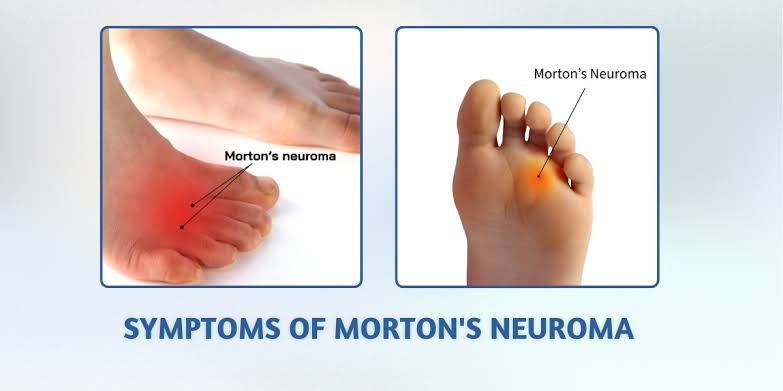
While Morton’s neuroma itself is not usually a serious condition, if left untreated, it can lead to several complications:
- Chronic pain: Without treatment, the pain from Morton’s neuroma may worsen, becoming chronic and more difficult to manage.
- Difficulty walking: Persistent pain can make it difficult to walk, exercise, or perform daily activities, leading to mobility issues.
- Nerve damage: In rare cases, the nerve may become permanently damaged, resulting in ongoing numbness or tingling in the toes.
- Altered gait: Chronic pain may lead to a change in walking patterns, which can cause additional foot problems, such as plantar fasciitis or shin splints.
Can Morton’s Neuroma Be Prevented?
While Morton’s neuroma cannot always be prevented, certain lifestyle changes can help reduce the risk:
- Wear proper footwear: Choose shoes that provide sufficient room for the toes, good arch support, and cushioning. Avoid high heels and shoes with narrow toe boxes.
- Maintain foot health: Regular foot exercises, such as stretching and strengthening the muscles in the feet, can help improve foot function and reduce the risk of developing neuromas.
- Manage foot deformities: If you have foot conditions like bunions, flat feet, or high arches, work with a podiatrist to manage them and reduce the strain on the feet.
- Avoid repetitive stress: Minimize activities that put excessive pressure on the toes, especially activities like running on hard surfaces.
What Is the Prognosis for Morton’s Neuroma?
The prognosis for Morton’s neuroma is generally positive, especially if the condition is diagnosed early and treated appropriately. Many people experience significant relief from symptoms with conservative treatments, such as footwear adjustments, padding, and anti-inflammatory medications.
If surgery is necessary, the outcomes are generally favorable, with most people experiencing significant pain relief. However, in rare cases, the neuroma may recur, and some people may continue to experience minor numbness or discomfort in the affected toes.