intradution
An Atonic Seizure, often referred to as a “drop attack,” is a type of seizure where there is a sudden loss of muscle tone, causing the person to collapse or fall. Unlike other types of seizures that involve uncontrolled movements, Atonic Seizures result in a temporary loss of muscle control, which can lead to falls and injuries. In this article, we will explore everything you need to know about Atonic Seizures, including their causes, symptoms, diagnosis, and available treatment options.

What is an Atonic Seizure?
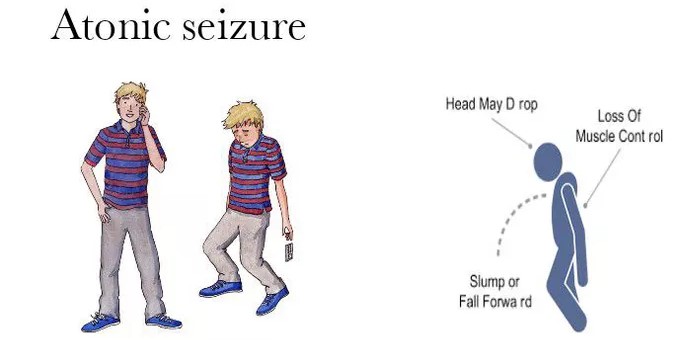
An Atonic Seizure is a type of seizure that is characterized by the sudden loss of muscle strength and control. It can cause the affected person to suddenly collapse or drop to the ground without any warning. These seizures can happen with or without a loss of consciousness. Atonic seizures are more common in children but can occur in people of all ages.
Key Features:
- Sudden Loss of Muscle Tone: The most defining feature of Atonic Seizures is the sudden loss of muscle tone, which causes the person to collapse or fall.
- No Convulsions or Jerking Movements: Unlike other types of seizures, there are no convulsions or jerking movements during an Atonic Seizure.
- Short Duration: Atonic Seizures usually last only a few seconds, but the effects, such as falling, can lead to serious injuries.
Symptoms of Atonic Seizure
The primary symptom of an Atonic Seizure is the sudden loss of muscle tone, which causes the person to collapse or fall. Other symptoms may include:
1. Sudden Loss of Posture
- The person may suddenly lose their ability to stand or sit up straight, causing them to collapse or fall to the ground.
2. Dropping of Objects
- During an Atonic Seizure, the affected person may drop any objects they are holding due to the loss of muscle tone.
3. Brief Duration
- Atonic Seizures generally last for only a few seconds, although the person may remain on the ground for a moment after the seizure ends.
4. No Convulsions or Jerking
- Unlike other types of seizures, there are no convulsions or jerking movements during an Atonic Seizure.
5. Loss of Consciousness
- In some cases, a person may lose consciousness for a short period during the seizure, although not always.
6. Increased Risk of Injury
- The sudden nature of the Atonic Seizure can lead to falls, which may result in injuries like fractures or bruises.
Causes of Atonic Seizure
The exact cause of an Atonic Seizure is often unknown, but it can be related to several underlying conditions, including:
1. Epilepsy
- Atonic Seizures are often seen in individuals with epilepsy, particularly in those with generalized epilepsy syndromes.
2. Brain Injury
- A traumatic brain injury or damage to the brain from conditions like stroke, infections, or tumors can increase the risk of Atonic Seizures.
3. Genetic Factors
- Some types of epilepsy and Atonic Seizures may have a genetic component, especially in childhood-onset cases.
4. Neurological Disorders
- Disorders that affect the brain’s normal function, such as Lennox-Gastaut Syndrome or West Syndrome, are often associated with Atonic Seizures.
5. Metabolic Imbalances
- Imbalances in the body’s chemical levels, such as low blood sugar, electrolyte abnormalities, or dehydration, can sometimes trigger Atonic Seizures.
6. Medications
- Certain medications, particularly those that affect the nervous system, can cause or exacerbate Atonic Seizures.
7. Infections
- Infections that affect the brain, such as meningitis or encephalitis, can result in Atonic Seizures.
8. Developmental and Genetic Syndromes
- Atonic Seizures are commonly seen in children with developmental disorders, such as Angelman Syndrome and Dravet Syndrome.

Diagnosis of Atonic Seizure
To diagnose Atonic Seizures, healthcare providers typically rely on a combination of patient history, physical exams, and diagnostic tests. The diagnostic process may include:
1. Medical History
- A thorough medical history, including details about the seizures, any underlying conditions, and family history of neurological disorders, is essential for diagnosis.
2. Neurological Examination
- A neurological exam can help assess the overall functioning of the nervous system and identify any neurological conditions that may be contributing to the seizures.
3. Electroencephalogram (EEG)
- An EEG is one of the most common tests used to diagnose seizures. It records electrical activity in the brain and can help identify abnormal brain waves associated with Atonic Seizures.
4. Magnetic Resonance Imaging (MRI)
- An MRI scan can provide detailed images of the brain, helping to identify any structural abnormalities, such as brain tumors, that could be causing the seizures.
5. CT Scan
- A CT scan may be used to detect brain injuries or abnormalities that could be linked to Atonic Seizures.
6. Blood Tests
- Blood tests can help rule out other causes of seizures, such as metabolic imbalances, infections, or toxins.

Treatment of Atonic Seizure
The treatment of Atonic Seizures focuses on controlling the seizures and addressing the underlying cause, if identified. Common treatment options include:
1. Antiepileptic Medications
- The primary treatment for Atonic Seizures is medication, particularly antiepileptic drugs (AEDs). These drugs help control seizures by stabilizing the electrical activity in the brain. Commonly prescribed AEDs include:
- Valproic acid
- Lamotrigine
- Levetiracetam
- Clonazepam
2. Vagus Nerve Stimulation (VNS)
- For some individuals, a device known as a vagus nerve stimulator may be implanted to help reduce the frequency of seizures.
3. Ketogenic Diet
- A special high-fat, low-carbohydrate diet called the ketogenic diet may be effective in reducing seizures in some individuals, particularly in children with epilepsy.
4. Surgery
- In cases where medication is not effective, surgical options may be considered, such as removing a brain tumor or abnormal tissue causing the seizures.
5. Behavioral Therapy and Counseling
- For people who experience psychological stress or anxiety due to seizures, therapy or counseling may help manage emotional and mental health challenges.
6. Lifestyle Modifications
- Lifestyle changes, such as avoiding seizure triggers, maintaining a regular sleep schedule, and managing stress, can also be helpful in managing Atonic Seizures.
Prevention of Atonic Seizure
While it may not be possible to prevent Atonic Seizures entirely, several strategies can help reduce their frequency and severity:
- Medication Adherence: Consistently taking prescribed medications is crucial for controlling seizures.
- Regular Check-ups: Routine visits to a healthcare provider can help monitor seizure control and adjust treatment as necessary.
- Avoiding Triggers: Identifying and avoiding triggers, such as sleep deprivation or stress, can help prevent seizures.
- Seizure First Aid: Educating family members and caregivers on how to respond to a seizure, including ensuring the person is safe during a fall, can prevent injuries.