


What Is an Internal Oblique Muscle Tear?
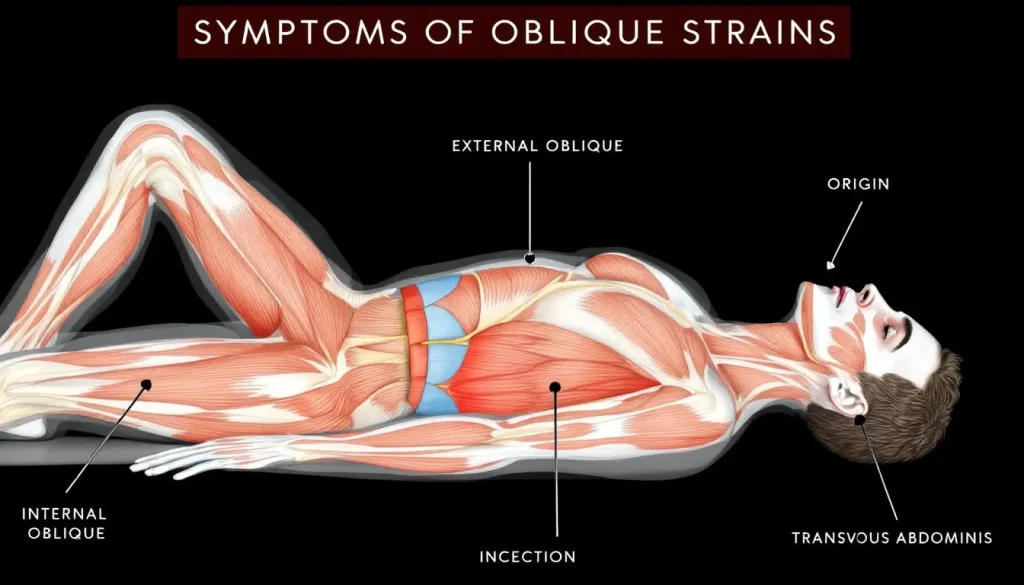
An internal oblique muscle tear is a strain or rupture of the internal oblique muscle, which is located on the side of the abdomen. This muscle plays a key role in trunk rotation, side bending, and core stability. A tear usually results from sudden twisting movements, overuse, or direct trauma.
This injury is especially common among athletes involved in sports requiring rotational motion like tennis, baseball, cricket, and golf.
What Causes an Internal Oblique Muscle Tear?
Common causes include:
- Sudden twisting or turning of the torso
- Heavy lifting with poor form
- Overuse from repetitive motion, especially in sports
- Direct trauma to the side of the abdomen
- Core instability or weak abdominal muscles
- Inadequate warm-up before physical activity
What Are the Symptoms of an Internal Oblique Tear?
Symptoms can range from mild to severe, depending on the extent of the tear:
- Sharp or burning pain in the side of the abdomen
- Pain with twisting or side bending
- Swelling or bruising over the affected area
- Tenderness when touching the muscle
- Muscle weakness
- Discomfort during deep breathing, coughing, or sneezing
- In severe cases, a visible bulge or muscle gap may be felt
How Is an Internal Oblique Muscle Tear Diagnosed?
Diagnosis involves:
- Physical examination – checking for tenderness, swelling, and muscle weakness
- Medical history – understanding how the injury occurred
- Ultrasound or MRI – may be used to confirm the extent of the muscle tear and rule out hernias or other abdominal injuries
How Is It Treated?
Initial Management (First 48–72 hours):
- Rest – avoid movements that worsen the pain
- Ice packs – to reduce swelling and pain
- Compression bandage – for support
- Elevation – if swelling is present
Ongoing Care:
- Pain relief medications, such as NSAIDs (e.g., ibuprofen)
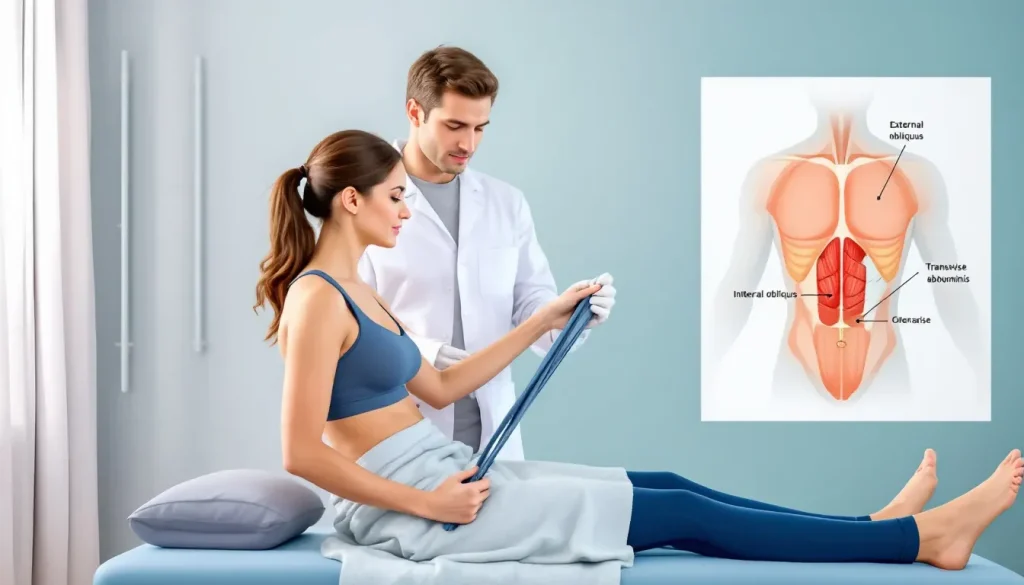
- Physical therapy – to strengthen the core and improve flexibility
- Gradual return to activity – once pain subsides and strength returns
Severe Cases:
- If the tear is extensive or involves a muscle rupture, surgical repair may be considered, though this is rare.
How Long Does Recovery Take?
Recovery depends on the severity of the tear:
- Mild strains: 1–3 weeks
- Moderate tears: 3–6 weeks
- Severe tears: 6–12 weeks or more, especially if surgery is needed
Adhering to a rehabilitation plan helps prevent reinjury.
Can an Internal Oblique Muscle Tear Be Prevented?
Yes, preventive strategies include:
- Proper warm-up and stretching before exercise
- Strengthening core muscles through regular training
- Using proper lifting techniques
- Avoiding sudden or excessive twisting motions
- Staying hydrated and maintaining good overall fitness