What is Metabolic Bone Disease?
Metabolic bone disease refers to a group of disorders that affect the bones, causing them to become weaker, more fragile, or more prone to fracture. These conditions are primarily caused by an imbalance in the metabolism of bone cells, including osteoblasts (cells that form bone) and osteoclasts (cells that break down bone). Metabolic bone diseases can result in abnormal bone mineralization or bone density and are often linked to nutrient deficiencies, hormonal imbalances, or genetic conditions.

What Causes Metabolic Bone Disease?
Metabolic bone diseases are typically caused by disruptions in bone metabolism due to a variety of factors:
Common Causes Include:
- Vitamin D Deficiency: Essential for calcium absorption, vitamin D deficiency can lead to conditions like rickets (in children) or osteomalacia (in adults), which result in soft, weakened bones.
- Calcium Deficiency: Insufficient calcium intake can lead to weakened bones and contribute to conditions like osteopenia and osteoporosis.
- Hormonal Imbalances: Conditions such as hyperparathyroidism or hypothyroidism can affect bone metabolism, leading to bone loss.
- Osteoporosis: A condition where bone density decreases, making bones more fragile and susceptible to fractures, often associated with aging, menopause, or prolonged steroid use.
- Genetic Conditions: Some individuals inherit genetic conditions such as osteogenesis imperfecta (brittle bone disease) that affect bone strength.
- Chronic Kidney Disease: Can lead to disturbances in calcium and phosphate metabolism, contributing to bone disease.
- Medications: Long-term use of medications like corticosteroids, proton pump inhibitors (PPIs), or anticonvulsants can contribute to bone thinning and an increased risk of fractures.
What are the Symptoms of Metabolic Bone Disease?
The symptoms of metabolic bone diseases vary depending on the underlying cause and the severity of the condition. In many cases, the disease may progress without significant symptoms until bones become fragile and fractures occur.
Common Symptoms Include:
- Bone Pain: Deep or dull pain, especially in the back, hips, or ribs.
- Fractures: Fragile bones are more prone to fractures, often occurring with minimal trauma.
- Loss of Height: Compression fractures of the spine can lead to a noticeable decrease in height.
- Postural Changes: Stooped posture or kyphosis (rounded back) may develop over time.
- Muscle Weakness: In some cases, muscle weakness or difficulty walking can result from bone abnormalities.
- Fatigue: Ongoing bone pain or fractures can cause general fatigue.
- Dental Issues: People with certain types of metabolic bone diseases, like osteogenesis imperfecta, may experience brittle teeth.
How is Metabolic Bone Disease Diagnosed?

Diagnosing metabolic bone disease involves a combination of medical history, physical examination, and specialized tests to assess bone density and mineral levels.
Diagnostic Tests May Include:
- Bone Density Test (DXA Scan): Measures bone mineral density (BMD) to diagnose osteoporosis or osteopenia.
- Blood Tests: Can identify deficiencies in calcium, vitamin D, phosphorus, and other markers of bone metabolism.
- Urine Tests: May be used to check for excessive calcium excretion or other abnormalities in bone metabolism.
- X-rays: Can reveal fractures, deformities, or changes in bone structure indicative of metabolic bone disease.
- Genetic Testing: In cases of inherited bone disorders, genetic testing may be performed to confirm the diagnosis.
How is Metabolic Bone Disease Treated?
Treatment for metabolic bone disease depends on the specific type of disease and the underlying cause. The goal is to restore normal bone metabolism, reduce fracture risk, and manage any symptoms.
Common Treatment Approaches Include:
- Calcium and Vitamin D Supplements: To address deficiencies that can weaken bones. Vitamin D helps the body absorb calcium and is essential for bone health.
- Bisphosphonates: Medications like alendronate or zoledronic acid are used to slow bone loss in conditions like osteoporosis and Paget’s disease.
- Hormone Replacement Therapy (HRT): For postmenopausal women with osteoporosis, hormone therapy may help maintain bone density.
- Parathyroid Hormone Therapy: In cases of severe osteoporosis, synthetic parathyroid hormone (teriparatide) may be used to stimulate bone formation.
- Weight-bearing Exercises: Physical activity, including strength training and weight-bearing exercises like walking or running, can help improve bone strength.
- Surgery: In severe cases of fractures or bone deformities, surgical intervention may be needed to repair fractures or correct deformities.
- Phosphate Binders: In cases of metabolic bone disease due to kidney disease, phosphate binders may be prescribed to control phosphate levels in the blood.
What is the Prognosis for Metabolic Bone Disease?
The prognosis for individuals with metabolic bone disease depends on the specific condition, the severity of bone loss, and how early the disease is detected. With appropriate treatment, many people can manage their symptoms and maintain a good quality of life.
Outlook:
- Osteoporosis: Can be managed with medications, supplements, and lifestyle changes. Regular monitoring and treatment can reduce the risk of fractures.
- Osteomalacia/Rickets: Treatment often includes correcting vitamin D deficiency and addressing calcium levels, leading to improvement in bone health.
- Paget’s Disease: Can often be controlled with medications like bisphosphonates to manage bone growth and reduce the risk of fractures.
If left untreated, metabolic bone diseases can lead to significant disability due to fractures and bone deformities. In severe cases, it can result in chronic pain, loss of mobility, and decreased quality of life.
What are the Complications of Metabolic Bone Disease?
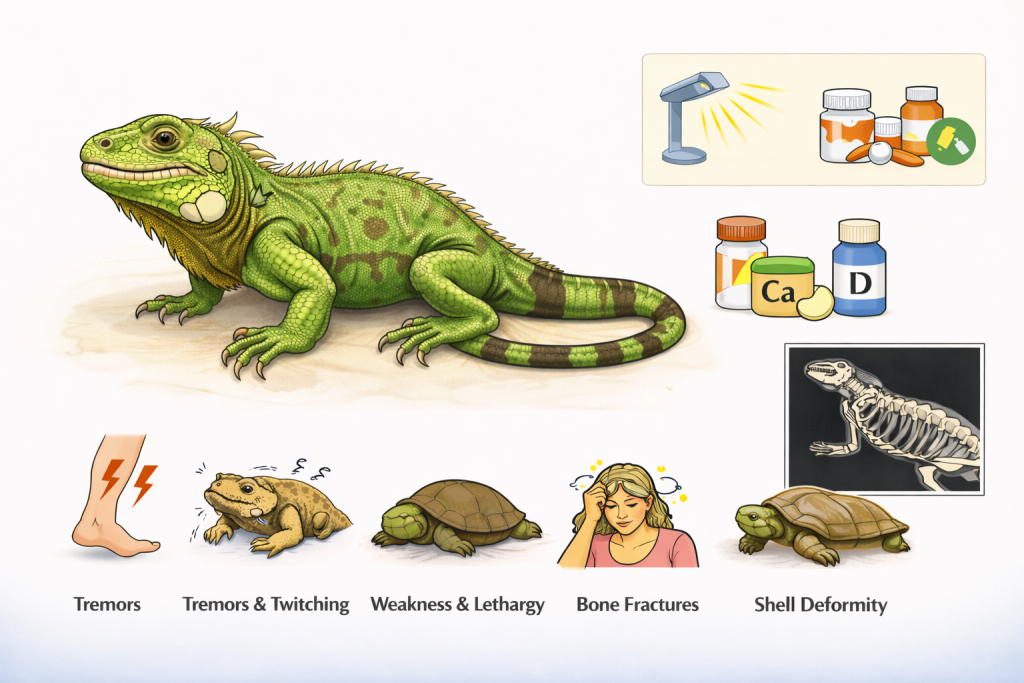
If metabolic bone disease is not properly managed, several complications can arise:
- Fractures: Weak bones are more prone to fractures, especially in the spine, hips, and wrists.
- Deformities: Long-term bone abnormalities can lead to deformities such as bowed legs, stooped posture, or abnormal bone growth.
- Chronic Pain: Ongoing fractures, deformities, and bone weakness can cause persistent pain, especially in weight-bearing bones.
- Mobility Issues: Severe bone disease can affect movement, leading to difficulty walking or performing daily tasks.
Can Metabolic Bone Disease Be Prevented?
While some metabolic bone diseases are genetic or related to aging, there are several preventive measures that can help reduce the risk:
Prevention Tips:
- Adequate Nutrition: Ensure sufficient intake of calcium, vitamin D, and other nutrients that support bone health.
- Regular Weight-bearing Exercise: Engage in activities like walking, jogging, or resistance training to help maintain bone density.
- Avoid Smoking: Smoking accelerates bone loss and increases fracture risk.
- Limit Alcohol Intake: Excessive alcohol can interfere with bone health, so limiting alcohol consumption is important.
- Bone Density Screening: Individuals at risk (e.g., postmenopausal women, those with a family history of osteoporosis) should undergo regular bone density tests.
Is Metabolic Bone Disease Treatable?
Yes, metabolic bone disease is treatable, and many people with these conditions can lead healthy, active lives with proper management. The key is early diagnosis, appropriate treatment, and lifestyle changes to prevent complications and maintain bone health.