What Is Quality of Life in COPD?
Quality of life (QoL) in Chronic Obstructive Pulmonary Disease (COPD) refers to the overall well-being of individuals affected by this chronic lung condition. COPD encompasses diseases like emphysema and chronic bronchitis, leading to airflow limitation and breathing difficulties. The QoL in COPD patients is influenced by physical health, psychological state, level of independence, social relationships, and personal beliefs.
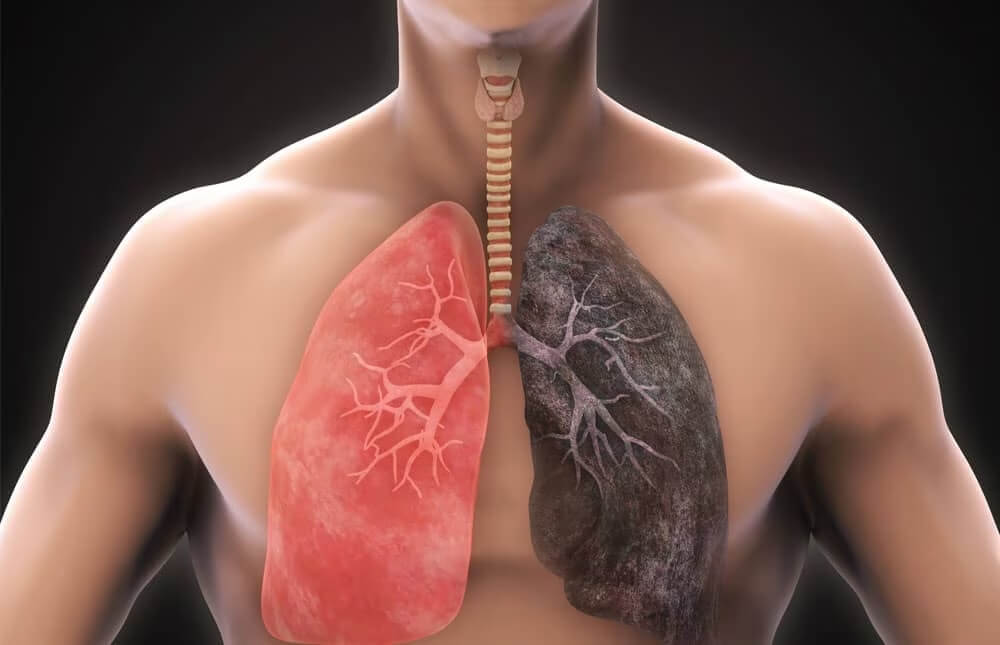
How Does COPD Affect Quality of Life?
COPD significantly impacts QoL through various mechanisms:
- Physical Limitations: Persistent symptoms like dyspnea (shortness of breath), chronic cough, and fatigue restrict daily activities.
- Psychological Impact: Anxiety and depression are common among COPD patients, further diminishing QoL.
- Social Isolation: Physical limitations and psychological issues can lead to reduced social interactions.
- Frequent Exacerbations: Acute worsening of symptoms often results in hospitalizations, disrupting daily life and causing emotional distress.
What Factors Influence Quality of Life in COPD Patients?
Several factors contribute to the QoL in individuals with COPD:
- Disease Severity: Advanced stages of COPD are associated with more significant QoL impairment.
- Comorbid Conditions: The presence of other chronic diseases, such as cardiovascular diseases or diabetes, can exacerbate symptoms and reduce QoL.
- Socioeconomic Status: Limited access to healthcare resources and support systems can negatively affect disease management and QoL.
- Lifestyle Factors: Smoking, poor nutrition, and sedentary behavior can worsen COPD symptoms and QoL.
How Is Quality of Life Assessed in COPD Patients?
Healthcare providers use various tools to evaluate QoL in COPD patients:
- St. George’s Respiratory Questionnaire (SGRQ): A disease-specific instrument measuring health impairment in patients with asthma and COPD.PubMed Central
- COPD Assessment Test (CAT): A simple questionnaire assessing the impact of COPD on a patient’s health status.
- Medical Research Council (MRC) Dyspnea Scale: Measures the degree of breathlessness experienced during physical activities.
What Strategies Can Improve Quality of Life in COPD?
Improving QoL in COPD patients involves a multifaceted approach:
- Smoking Cessation: Quitting smoking slows disease progression and improves respiratory symptoms.
- Pulmonary Rehabilitation: Structured exercise and education programs enhance physical fitness and symptom management.
- Pharmacotherapy: Medications like bronchodilators and corticosteroids help control symptoms and reduce exacerbations.
- Nutritional Support: A balanced diet maintains optimal body weight and muscle strength.
- Psychosocial Support: Counseling and support groups address mental health issues and promote social engagement.

What Is the Prognosis for Individuals with COPD?
The prognosis for COPD patients varies based on disease severity, comorbidities, and adherence to treatment plans. While COPD is a progressive disease with no cure, early diagnosis and comprehensive management can slow progression, reduce symptoms, and enhance QoL.
How Can Caregivers Support COPD Patients?
Caregivers play a vital role in managing COPD:
- Assisting with Daily Activities: Helping with tasks that may be challenging due to physical limitations.
- Monitoring Health Status: Observing for signs of exacerbations and ensuring timely medical intervention.
- Providing Emotional Support: Encouraging adherence to treatment and promoting a positive outlook.
- Facilitating Healthcare Access: Scheduling appointments and managing medications.