What is Acute Respiratory Distress Syndrome (ARDS)?
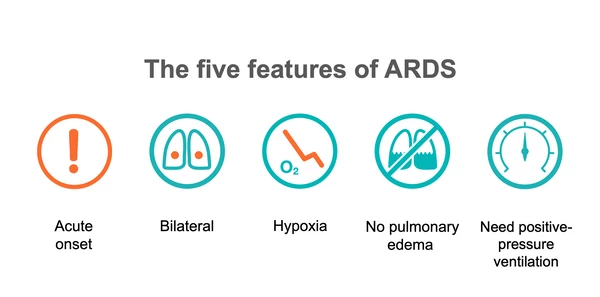
Acute Respiratory Distress Syndrome (ARDS) is a life-threatening lung condition that causes severe inflammation and fluid buildup in the lungs, leading to difficulty breathing and low oxygen levels. It is a medical emergency that often occurs due to serious infections, trauma, or other critical illnesses.
Without prompt treatment, ARDS can lead to organ failure and death, but early intervention and supportive care can improve survival and recovery.

What Causes ARDS?
ARDS is caused by damage to the lung’s air sacs (alveoli), which leads to fluid leakage into the lungs, making it hard for oxygen to reach the bloodstream. Common causes include:
1. Infections (Most Common Cause)
✔ Severe pneumonia (viral, bacterial, or fungal).
✔ Sepsis (blood infection) – A leading cause of ARDS.
✔ COVID-19 – Severe cases can trigger ARDS.
2. Trauma & Injury
✔ Chest injury (blunt trauma, rib fractures, lung contusions).
✔ Inhalation of harmful substances (smoke, chemicals, or near-drowning).
✔ Severe burns – Can trigger systemic inflammation leading to ARDS.
3. Other Medical Conditions
✔ Aspiration (inhaling vomit, food, or fluids into the lungs).
✔ Pancreatitis – Triggers widespread inflammation.
✔ Blood transfusion reactions.
Who is at Risk for ARDS?
- Critically ill patients (ICU, ventilator-dependent, or sepsis cases).
- Older adults – Higher risk of complications.
- Chronic lung disease patients (COPD, fibrosis).
- Smokers or those exposed to pollution.
- People with weakened immune systems.
What Are the Symptoms of ARDS?
Symptoms of ARDS develop rapidly (within hours to days) and worsen quickly.
Early Symptoms (Mild to Moderate ARDS):
- Severe shortness of breath (dyspnea) – Even at rest.
- Rapid, shallow breathing (tachypnea).
- Low oxygen levels (hypoxemia) – Leading to confusion or dizziness.
- Bluish lips or fingernails (cyanosis) – Due to oxygen deprivation.
Severe Symptoms (Advanced ARDS):
Extreme difficulty breathing – Requires mechanical ventilation. Worsening low blood pressure (shock) – Can lead to organ failure.
Severe confusion or unresponsiveness – Due to oxygen deprivation.
How is ARDS Diagnosed?
A doctor will diagnose ARDS based on symptoms, oxygen levels, and imaging tests.
1. Oxygen & Blood Tests
✔ Arterial Blood Gas (ABG) – Measures oxygen and carbon dioxide levels.
✔ Pulse Oximetry – Measures blood oxygen levels (often very low in ARDS).
✔ Blood tests – To identify infections, sepsis, or inflammation markers.
2. Imaging Tests
✔ Chest X-ray – Shows fluid-filled lungs (white areas instead of normal black air spaces).
✔ CT Scan of the lungs – Detects lung inflammation and damage in detail.
3. Other Tests (To Identify the Cause)
✔ Echocardiogram – Rules out heart-related lung fluid buildup.
✔ Bronchoscopy – Examines the airways for infection or lung damage.
What Are the Treatment Options for ARDS?
There is no specific cure for ARDS. Treatment focuses on supportive care to improve oxygen levels and allow the lungs to heal.
1. Oxygen Therapy (First-Line Treatment)
✔ Nasal cannula or face mask – For mild ARDS cases.
✔ High-flow oxygen therapy – If oxygen levels remain low.
✔ Mechanical ventilation (ventilator support) – For severe cases.
✔ Prone positioning (lying face down) – Improves oxygen flow in ventilated patients.
2. Medications & Supportive Care
✔ Sedatives & pain relievers – Keep patients comfortable on ventilators.
✔ Diuretics (furosemide/Lasix) – Reduce lung fluid buildup.
✔ Antibiotics (if infection is present).
✔ Steroids (in some cases) – Reduce lung inflammation.
✔ Blood thinners – Prevent blood clots in critically ill patients.
3. Advanced Life Support (For Severe Cases)
✔ Extracorporeal Membrane Oxygenation (ECMO) – An artificial lung machine that temporarily replaces lung function in life-threatening ARDS cases.
4. Nutritional & Supportive Therapy
✔ Tube feeding (if unable to eat) – Provides essential nutrients for recovery.
✔ Physical therapy & rehabilitation – Helps restore lung function after ARDS.
What is the Prognosis for ARDS?
- Mild to moderate ARDS patients often recover within weeks to months.
- Severe cases have a 30-50% mortality rate, but early intervention improves survival.
- Long-term complications include chronic lung disease, fibrosis, and reduced lung capacity.
Possible Complications of ARDS
Permanent lung scarring (fibrosis) – Can cause long-term breathing issues.
Organ failure – Due to low oxygen levels.
Blood clots or infections – Common in ICU patients.
Post-ICU syndrome – Long-term weakness, memory issues, or PTSD.
Can ARDS Be Prevented?
✔ Prevent infections – Get vaccinated for flu, COVID-19, and pneumonia.
✔ Seek early treatment for severe illnesses (pneumonia, sepsis, or trauma).
✔ Avoid smoking and pollutants – Reduces lung damage risk.
✔ Proper management of chronic diseases (diabetes, lung disease, etc.).