


What is Lymphorrhea?
Lymphorrhea is a medical condition characterized by the leakage of lymph fluid from the lymphatic system into surrounding tissues or externally through the skin. This condition typically occurs when the lymphatic vessels are damaged or obstructed, resulting in an abnormal flow of lymph fluid. Lymphorrhea is often associated with trauma, surgery, infections, or certain diseases affecting the lymphatic system.
Causes of Lymphorrhea?
Several factors can lead to lymphorrhea, including:
- Surgical Interventions: Procedures involving the removal or damage of lymph nodes, such as cancer treatments or lymph node biopsies.
- Trauma: Injury to the lymphatic vessels, such as from accidents or surgical wounds.
- Infections: Conditions like lymphangitis can inflame the lymphatic vessels and lead to leakage of lymph.
- Lymphedema: Chronic swelling caused by lymphatic fluid buildup can sometimes result in lymphorrhea if the skin becomes fragile and breaks open.
- Tumors: Tumors affecting the lymphatic system can cause blockages or damage that leads to fluid leakage.
Symptoms of Lymphorrhea?
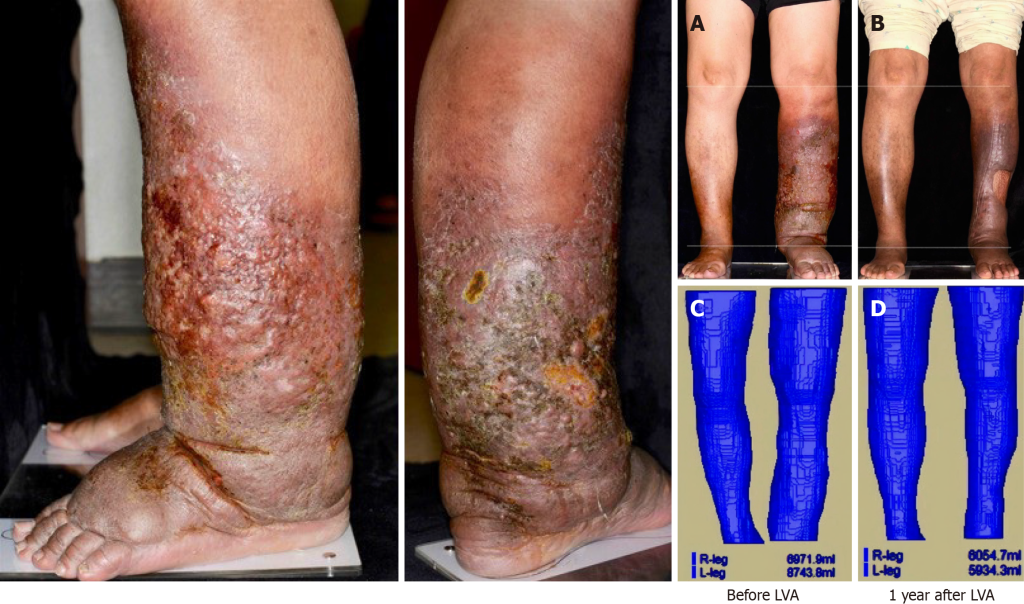
The primary symptom of lymphorrhea is the abnormal discharge of clear or pale yellow fluid, which resembles lymph. Other symptoms may include:
- Swelling or puffiness around the affected area
- Redness or irritation in the skin
- Pain or tenderness in the affected area
- A feeling of pressure or heaviness
- It commonly occurs after surgery, trauma, or lymph node removal.
- Symptoms include clear or pale yellow fluid draining from a wound.
- Persistent lymphorrhea can lead to infection, delayed wound healing, and fluid loss.
- Treatment may involve wound care, compression therapy, and management of the underlying cause.
Diagnosis of Lymphorrhea

To diagnose lymphorrhea, healthcare providers typically perform:
- Physical Examination: A detailed examination of the area where the fluid is leaking.
- Imaging Tests: Ultrasound, CT scans, or MRI can help identify blockages or damage in the lymphatic system.
- Lymphoscintigraphy: A specialized imaging technique that traces the flow of lymph to detect any abnormalities.
Treatment for Lymphorrhea?
The treatment for lymphorrhea depends on the underlying cause and the severity of the condition. Common approaches include:
- Conservative Management: Keeping the affected area clean and dry, and applying compression bandages to reduce swelling and prevent further leakage.
- Medications: In some cases, diuretics or antibiotics may be prescribed to manage symptoms or treat underlying infections.
- Surgical Intervention: In cases where the lymphatic system is severely damaged, surgical procedures to repair or reroute the lymphatic vessels may be necessary.
- Lymphatic Drainage Therapy: Techniques such as manual lymphatic drainage (MLD) can help improve fluid movement in the body.
Complications of Lymphorrhea?
If left untreated, lymphorrhea can lead to complications, including:
- Infection: Prolonged leakage of lymph fluid can create a pathway for bacteria to enter the body.
- Skin Breakdown: Persistent leakage can damage the skin, leading to ulcers or infections.
- Lymphedema: Chronic fluid accumulation can cause long-term swelling and discomfort.
Preventing Lymphorrhea?
While lymphorrhea is not always preventable, certain measures can reduce the risk, especially after surgery or trauma:
- Careful Monitoring: After lymph node removal or surgery, regular follow-up appointments can help detect early signs of lymphorrhea.
- Compression Garments: These can be helpful in managing lymphatic fluid buildup, especially in patients with lymphedema.
- Infection Prevention: Keeping surgical sites clean and properly cared for can help prevent complications.
