


What Is Growth Hormone Deficiency?
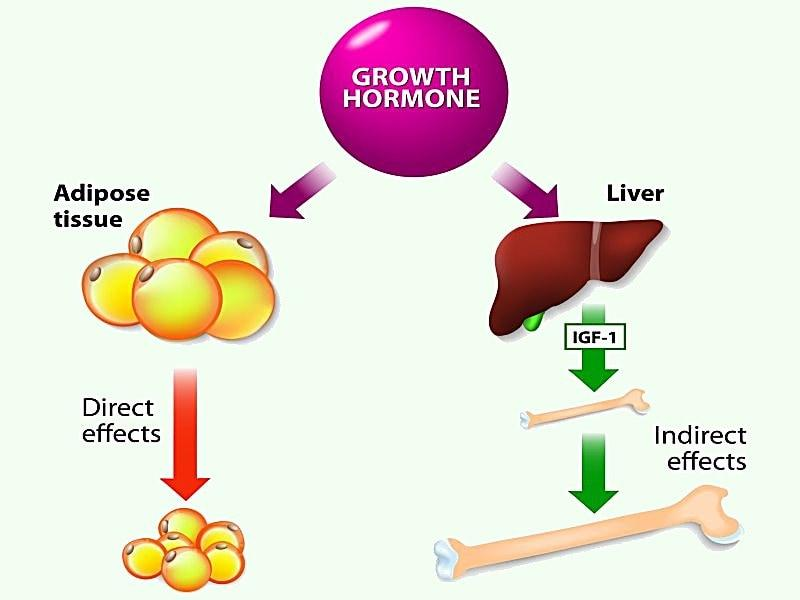
Growth hormone deficiency (GHD) is a condition where the body does not produce enough growth hormone (GH). This hormone is crucial for normal growth in children and for regulating metabolism, muscle mass, and energy in adults. GHD can occur at any age—either present from birth (congenital) or develop later (acquired).
What Causes Growth Hormone Deficiency?
GHD can be caused by several factors, including:
- Congenital causes – problems with the pituitary gland or hypothalamus at birth
- Genetic mutations
- Tumors affecting the pituitary gland or brain
- Radiation therapy to the brain
- Head injuries
- Infections like meningitis or encephalitis
- Unknown causes (idiopathic)

Symptoms of Growth Hormone Deficiency
In Children:
- Slow or delayed growth
- Short stature compared to peers
- Chubby body build
- Delayed puberty
- Younger-looking face
- Poor bone development
- Low energy levels
In Adults:
- Decreased muscle mass and strength
- Increased body fat (especially around the waist)
- Fatigue and low energy
- Depression or mood changes
- Poor memory and concentration
- Dry skin
- Reduced bone density (osteoporosis)
How Is Growth Hormone Deficiency Diagnosed?
Doctors use a combination of tests to confirm GHD:
- Medical history and physical exam
- Growth charts – in children to assess growth patterns
- Blood tests – to measure hormone levels
- Stimulation tests – to see how the body responds to substances that should increase GH
- MRI scans – to check for pituitary gland abnormalities or tumors
Treatment for Growth Hormone Deficiency

The main treatment is growth hormone replacement therapy, which involves:
- Daily injections of synthetic growth hormone
- Regular monitoring by an endocrinologist
- Adjusting the dose as the child grows or as needed in adults
Benefits of Treatment:
- Improved growth rate in children
- Increased muscle mass and bone density
- Reduced body fat
- Improved mood and energy levels
- Better quality of life
Complications of Growth Hormone Deficiency
If untreated, GHD can lead to:
- Short stature in children
- Emotional and social difficulties
- Weak bones and risk of fractures
- High cholesterol and heart problems
- Obesity
- Poor quality of life in adults
Can Growth Hormone Deficiency Be Prevented?
There is no sure way to prevent GHD, but early diagnosis and treatment can prevent complications. Regular health check-ups and monitoring growth in children can help catch the condition early.
Who Is at Risk?
- Children with slow or delayed growth
- Adults with a history of pituitary tumors or head trauma
- People who have undergone brain surgery or radiation
- Those with genetic conditions affecting hormone production
Living with Growth Hormone Deficiency
Most people with GHD can live normal, healthy lives with proper treatment. Support and regular follow-up care are essential:
- Maintain a healthy lifestyle with exercise and good nutrition
- Follow your doctor’s instructions for hormone therapy
- Attend regular medical check-ups
- Seek emotional and psychological support if needed
