


What is Tobacco Dependence?
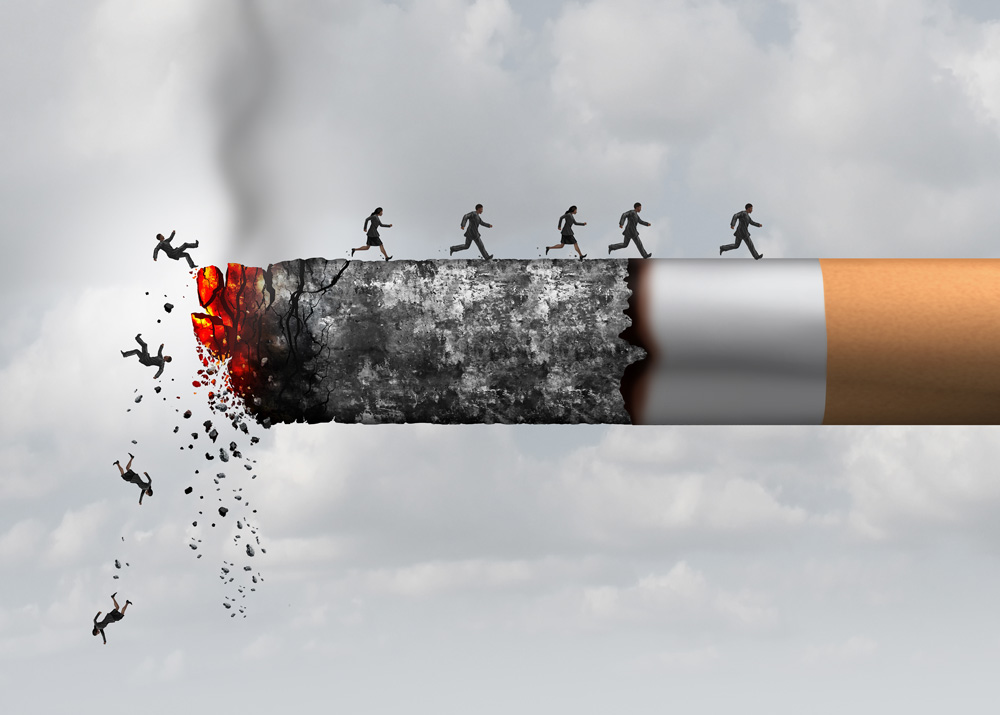
Tobacco dependence is a chronic condition where a person becomes addicted to nicotine, the addictive substance found in tobacco products such as cigarettes, cigars, and chewing tobacco. This addiction makes it difficult to stop using tobacco despite its harmful health effects.
What Are the Symptoms of Tobacco Dependence?
Symptoms include a strong urge or craving to use tobacco, difficulty controlling use, and withdrawal symptoms when not using tobacco.
Common Symptoms:
- Craving or strong desire to smoke or use tobacco
- Using tobacco even when aware of health risks
- Difficulty quitting or cutting down on tobacco use
- Withdrawal symptoms such as irritability, anxiety, restlessness, and difficulty concentrating when not using tobacco
- Continuing to use tobacco despite negative effects on health, relationships, or finances
What Causes Tobacco Dependence?
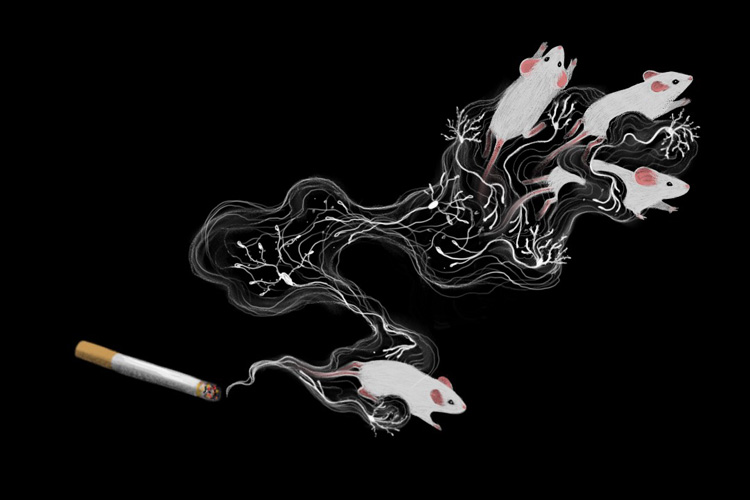
Tobacco dependence is caused by nicotine addiction. Nicotine affects the brain by stimulating the release of chemicals like dopamine, which creates pleasurable sensations and reinforces the desire to continue using tobacco.
Risk factors include:
- Early exposure to tobacco
- Genetics and family history of addiction
- Stress or mental health conditions
- Peer pressure and social environment
- Marketing and availability of tobacco products
How is Tobacco Dependence Diagnosed?
Diagnosis is mainly based on a person’s history of tobacco use and symptoms of dependence. Healthcare providers may use questionnaires like the Fagerström Test for Nicotine Dependence to assess the level of addiction.
How is Tobacco Dependence Treated?
Treatment focuses on helping individuals quit tobacco and manage withdrawal symptoms.
- Behavioral Therapies
Counseling, support groups, and cognitive behavioral therapy can help change tobacco use habits and develop coping strategies. - Medications
Nicotine replacement therapy (patches, gum, lozenges), and prescription medications such as bupropion or varenicline help reduce cravings and withdrawal symptoms. - Lifestyle Changes
Avoiding triggers, managing stress, and adopting healthy habits support quitting efforts. - Support
Encouragement from family, friends, and healthcare providers improves chances of success.
Complications of Tobacco Dependence
Tobacco use leads to serious health problems, including:
- Lung cancer and other cancers
- Chronic obstructive pulmonary disease (COPD)
- Heart disease and stroke
- Respiratory infections
- Pregnancy complications and harm to unborn babies
Living with Tobacco Dependence
Quitting tobacco improves health and quality of life. Even long-term smokers benefit from quitting at any age. Support and perseverance are key.
To reduce the risk:
- Seek help from healthcare providers or quitlines
- Use approved cessation aids
- Avoid environments that encourage tobacco use
- Stay motivated and set realistic goals
