


What is Diabetes Mellitus?
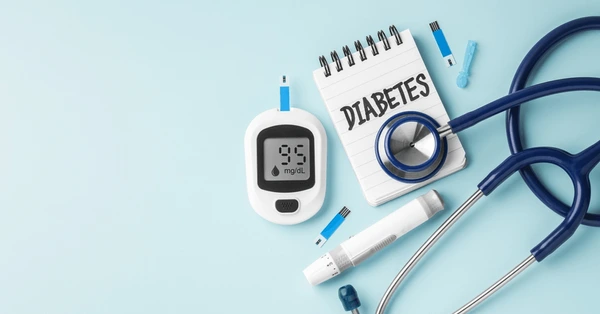
Diabetes mellitus is a chronic condition that affects how the body processes blood sugar (glucose). Glucose is the main source of energy for the body’s cells, and insulin — a hormone made by the pancreas — helps move glucose from the blood into the cells. In diabetes mellitus, the body either doesn’t produce enough insulin or can’t use it properly, leading to high blood sugar levels.
There are three main types: type 1, type 2, and gestational diabetes.
What causes Diabetes Mellitus?
The cause depends on the type of diabetes:
- Type 1 diabetes is an autoimmune condition where the immune system attacks the insulin-producing cells in the pancreas. It often develops in childhood or early adulthood, and the exact cause is not fully known.
- Type 2 diabetes is more common and usually linked to lifestyle factors. The body becomes resistant to insulin or doesn’t produce enough. It often develops in adults, but it’s increasingly seen in children.
- Gestational diabetes occurs during pregnancy and usually goes away after birth, but it can increase the risk of type 2 diabetes later in life.
Other less common types include maturity-onset diabetes of the young (MODY), neonatal diabetes, and secondary diabetes caused by other health conditions or medications.
What are the symptoms of Diabetes Mellitus?
Early symptoms may be mild or go unnoticed. Common symptoms include:
- Increased thirst and frequent urination
- Unexplained weight loss
- Fatigue
- Blurred vision
- Slow-healing wounds
- Frequent infections, such as gum or skin infections
- Tingling or numbness in hands or feet (more common in type 2)
- Irritability or mood changes
In gestational diabetes, symptoms are usually mild or not noticeable, and it’s often detected during routine pregnancy screenings.
How is Diabetes Mellitus diagnosed?
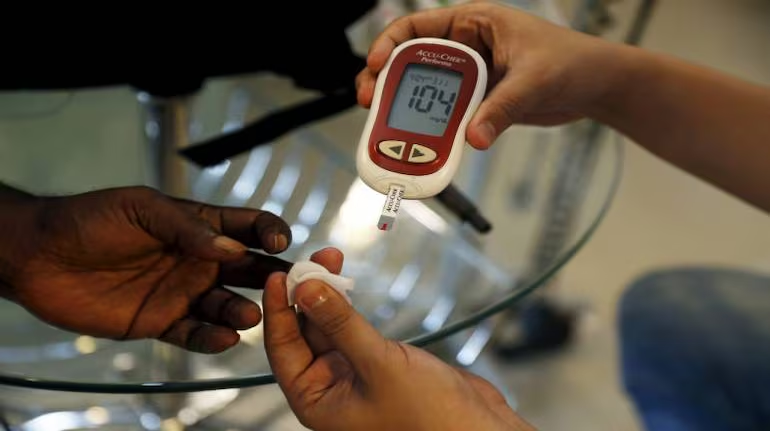
Diagnosis is usually done through blood tests, including:
- Fasting blood sugar test
- Oral glucose tolerance test (OGTT)
- A1C test, which measures average blood sugar over 2–3 months
- Random blood sugar test
For gestational diabetes, a glucose challenge test is typically done between 24 and 28 weeks of pregnancy.
How is Diabetes Mellitus treated?
Treatment varies depending on the type:
- Type 1 diabetes requires daily insulin injections or use of an insulin pump, along with monitoring blood sugar, diet, and exercise.
- Type 2 diabetes can often be managed with lifestyle changes such as healthy eating, regular physical activity, weight loss, and sometimes oral medications or insulin.
- Gestational diabetes is usually managed through diet and exercise, but insulin may be needed in some cases.
Some people may also use continuous glucose monitors (CGMs) or insulin pumps for better control.
What complications can Diabetes Mellitus cause?
If not well-managed, diabetes can lead to serious complications, including:
- Heart disease and stroke
- Kidney damage (diabetic nephropathy)
- Eye damage (diabetic retinopathy)
- Nerve damage (diabetic neuropathy)
- Foot problems, which can lead to infection or amputation
- Skin conditions
- Increased risk of infections
- Pregnancy complications in gestational diabetes
How can Diabetes Mellitus be managed daily?
Managing diabetes involves a combination of:
- Eating a balanced diet with controlled carbohydrate intake
- Staying physically active
- Monitoring blood sugar levels regularly
- Taking medications or insulin as prescribed
- Managing stress and getting enough sleep
- Attending regular health check-ups
- Avoiding smoking and limiting alcohol intake
Education and support from a healthcare team are key to long-term success.
When should you see a doctor?
You should talk to a doctor if you notice:
- Persistent symptoms like thirst, frequent urination, or unexplained fatigue
- Sudden weight loss
- Signs of high or low blood sugar
- Foot wounds that don’t heal
- Blurry vision or eye discomfort
- During pregnancy, if advised by your obstetrician
Early diagnosis and treatment can prevent complications and improve quality of life.
