


What is Occupational Hearing Loss?
Occupational hearing loss refers to hearing impairment caused by prolonged exposure to loud noises in the workplace. It is one of the most common work-related injuries and affects workers across various industries, including manufacturing, construction, agriculture, and entertainment. The damage is typically gradual and may go unnoticed until significant hearing loss occurs. Early intervention and protection from excessive noise can help prevent or reduce the severity of occupational hearing loss.
Causes of Occupational Hearing Loss?

Occupational hearing loss occurs when workers are exposed to noise levels that exceed safe thresholds over extended periods. Common causes include:
- Prolonged Exposure to Loud Noises: Continuous exposure to noise levels above 85 decibels (dB), such as the sound of machinery, power tools, or engines, can damage the hair cells in the inner ear, leading to permanent hearing loss.
- Sudden Loud Noises: Short bursts of extremely loud noises, such as explosions, gunshots, or loud machinery, can cause immediate hearing damage.
- Vibration: Prolonged exposure to vibrating equipment or tools, such as hand-held power tools, may also contribute to hearing damage.
- Frequency of Noise: High-pitched sounds, such as those produced by saws or compressors, can be particularly damaging to the ear.
- Unprotected Exposure: Lack of hearing protection, such as earplugs or earmuffs, increases the risk of hearing loss in noisy environments.
Who is at Risk?
Workers in certain industries are at a higher risk of developing occupational hearing loss, including:
- Construction Workers: Exposure to heavy machinery, power tools, and equipment like jackhammers puts construction workers at risk.
- Manufacturing Workers: Those working in factories or plants with loud machinery, conveyor belts, and equipment are more prone to hearing damage.
- Farmers and Agricultural Workers: Exposure to loud equipment, such as tractors and harvesters, is common in agriculture.
- Musicians and Sound Technicians: Individuals who are regularly exposed to high-volume music or sound equipment are at risk of hearing loss.
- Military Personnel: Exposure to gunfire, explosions, and other loud noises in combat or training environments is a significant risk factor.
Symptoms of Occupational Hearing Loss?
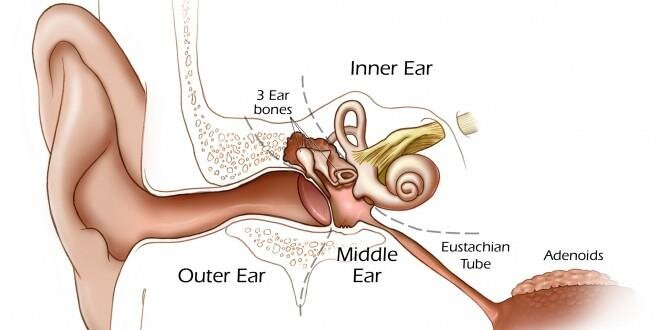
The symptoms of occupational hearing loss may develop gradually, and early stages may not be immediately noticeable. Common symptoms include:
- Difficulty Hearing High-Frequency Sounds: People with occupational hearing loss may struggle to hear high-pitched sounds, such as birds chirping or the beeping of electronic devices.
- Tinnitus: A ringing, buzzing, or hissing sound in the ears that may persist even in the absence of external noise.
- Difficulty Understanding Speech: A person with hearing loss may have trouble understanding speech, especially in noisy environments.
- Increased Volume: Turning up the volume on radios, televisions, or phones to levels that others find uncomfortable may indicate hearing loss.
Health Risks Associated with Occupational Hearing Loss?
If left unaddressed, occupational hearing loss can lead to several complications, including:
- Permanent Hearing Damage: Prolonged exposure to harmful noise levels without protection can lead to irreversible hearing loss.
- Tinnitus: Chronic exposure to loud noise can also cause persistent ringing in the ears, which can be distressing and affect quality of life.
- Social Isolation: Hearing loss can cause difficulties in communication, potentially leading to social withdrawal and isolation.
- Reduced Work Performance: Hearing loss may impair the ability to understand instructions or warnings, potentially leading to accidents or decreased productivity at work.
- Increased Risk of Accidents: Workers with hearing impairments may be less aware of their environment, increasing the likelihood of accidents, especially in high-risk industries like construction or manufacturing.
Diagnosis of Occupational Hearing Loss?
Diagnosing occupational hearing loss typically involves the following:
- Medical History and Symptoms Review: The doctor will ask about the patient’s exposure to loud noise at work and whether they have experienced any hearing difficulties.
- Audiometric Testing: A hearing test is conducted to assess the extent of hearing loss and identify any damage to the ear. This typically includes pure-tone audiometry to measure hearing sensitivity.
- Tympanometry: This test measures the movement of the eardrum in response to sound, which can help identify any middle ear problems.
- Otoacoustic Emissions (OAE): This test checks the function of the hair cells in the inner ear, which are responsible for transmitting sound to the brain.
Treatment of Occupational Hearing Loss?
While occupational hearing loss is usually permanent, there are treatments and strategies to manage the condition and improve quality of life:
- Hearing Aids: Hearing aids amplify sounds to make it easier to hear. They can help individuals with mild to moderate hearing loss.
- Cochlear Implants: For those with severe hearing loss, cochlear implants may be recommended. These devices bypass damaged parts of the ear and directly stimulate the auditory nerve.
- Tinnitus Management: Sound therapy, counseling, or medications may be used to alleviate the symptoms of tinnitus.
- Speech Therapy: Speech therapy can help individuals with hearing loss improve their ability to communicate effectively.
- Hearing Protection: It is crucial for individuals working in noisy environments to use appropriate hearing protection, such as earplugs or earmuffs, to prevent further damage.
Prevention of Occupational Hearing Loss?

Preventing occupational hearing loss primarily focuses on minimizing exposure to harmful noise levels. Strategies include:
- Wearing Hearing Protection: Workers should wear earplugs, earmuffs, or other protective devices when exposed to loud noises.
- Regular Hearing Tests: Regular audiometric testing can help detect hearing loss early and prevent further damage.
- Noise Control Measures: Employers can implement noise-reduction measures, such as soundproofing work areas, using quieter equipment, or rotating workers to reduce their exposure to loud noise.
- Educating Workers: Providing training on the importance of hearing protection and the risks of noise exposure can help workers understand the need for preventative measures.
- Limiting Exposure Time: Reducing the amount of time workers are exposed to high noise levels can minimize the risk of hearing loss.
When to See a Doctor?
If you experience difficulty hearing, ringing in your ears, or trouble understanding speech, especially after exposure to loud noise at work, it’s important to seek medical advice. Early detection and intervention can help preserve hearing and prevent further damage. If you work in a noisy environment, regular hearing checks are essential to monitor your hearing health.
