


What Is Karyomegaly?
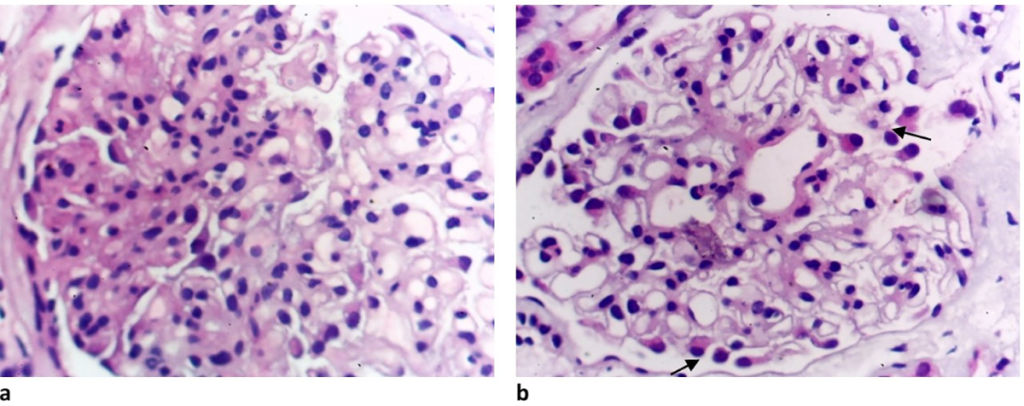
Karyomegaly is a condition characterized by abnormal enlargement of the cell nucleus. It is typically seen under a microscope during the examination of tissue samples and often indicates an underlying pathological process, such as infection, inflammation, toxicity, or genetic disorders.
While not a disease in itself, karyomegaly is a cellular abnormality that signals stress or damage to the cell, especially in organs like the kidneys, liver, brain, and bone marrow.
What Causes Karyomegaly?
Karyomegaly can occur due to a variety of causes, including:
- Viral infections (e.g., cytomegalovirus)
- Toxic exposures (e.g., certain drugs, heavy metals)
- Radiation damage
- Genetic conditions (e.g., karyomegalic interstitial nephritis)
- Cancerous or pre-cancerous changes
- Chronic inflammation or degenerative diseases
The enlarged nucleus often reflects DNA damage or abnormal replication processes within the cell.
Who Is at Risk for Karyomegaly?
Risk depends on the underlying cause. Individuals at higher risk include:
- Patients with chronic kidney or liver disease
- People exposed to chemicals or radiation
- Individuals undergoing chemotherapy
- Those with viral infections, especially in immunocompromised states
- Patients with rare genetic disorders affecting DNA repair
Karyomegaly is most often discovered incidentally during biopsy or autopsy when investigating other medical issues.
What Are the Symptoms of Karyomegaly?
Karyomegaly itself does not cause symptoms. Instead, symptoms relate to the underlying condition causing the abnormality. For example:
- In viral infections: fever, fatigue, organ-specific symptoms
- In kidney disease: swelling, high blood pressure, reduced urine output
- In cancer: weight loss, pain, or mass effect
- In genetic diseases: slow progression of organ dysfunction over time
It’s a microscopic sign, not something detectable through symptoms alone.
How Is Karyomegaly Diagnosed?
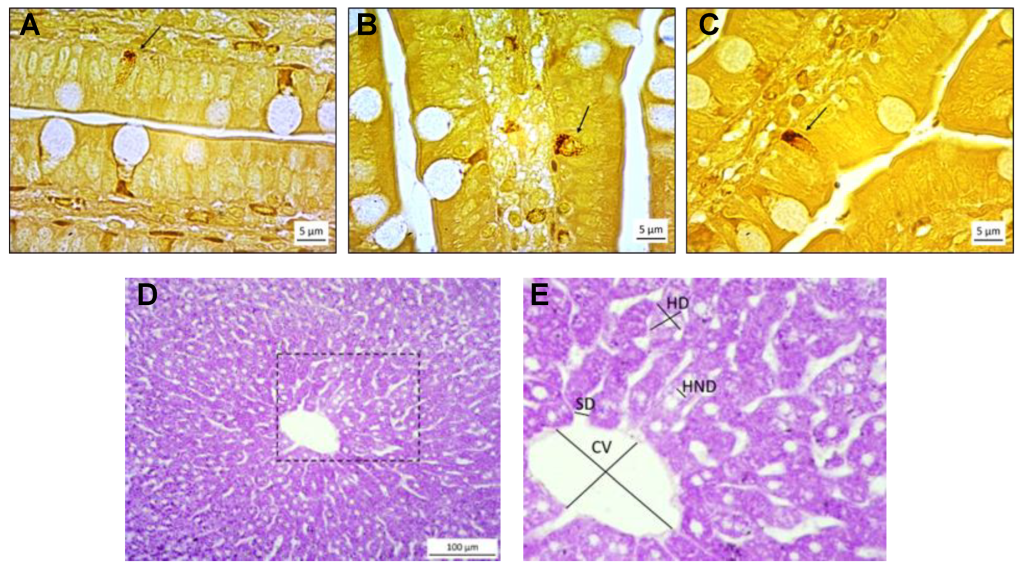
Diagnosis is usually made during histological examination of tissues, such as:
- Kidney biopsy
- Liver biopsy
- Bone marrow biopsy
- Autopsy findings
Under a microscope, affected cells show enlarged nuclei, sometimes with irregular shapes, increased chromatin, or signs of abnormal division.
Additional tests may be required to determine the underlying cause, including:
- Blood tests
- Viral panels
- Genetic testing
- Toxicology screening
How Is Karyomegaly Treated?
Since karyomegaly is a secondary finding, treatment focuses on managing the underlying cause:
- Antiviral medications if due to viral infections
- Discontinuation or avoidance of toxins or medications that may be responsible
- Management of chronic conditions like kidney or liver disease
- Supportive care in genetic or degenerative diseases
- Oncologic treatment if associated with malignancy
There is no specific treatment for the enlarged nuclei themselves—they usually improve once the underlying insult is removed or controlled.
Can Karyomegaly Be Prevented?
Prevention depends on the cause. Some general preventive strategies include:
- Avoiding exposure to harmful toxins or radiation
- Monitoring drug dosages in treatments known to affect cell health
- Vaccination and hygiene to prevent viral infections
- Early screening and treatment of chronic illnesses
- Genetic counseling in families with inherited forms
While not all cases can be prevented, early detection through regular medical monitoring can help limit progression.
What Is the Outlook for People With Karyomegaly?
The outlook varies widely depending on what is causing the karyomegaly. In cases where it results from temporary conditions (like a viral infection), it may resolve with treatment. In genetic or progressive disorders, it may reflect long-term damage that requires ongoing management.
Karyomegaly may also be an early warning sign of more serious conditions like cancer or chronic organ damage, making timely investigation essential.
