


What is Obstructed Defecation Syndrome?
Obstructed Defecation Syndrome (ODS) is a type of chronic constipation where a person has difficulty passing stool despite feeling the urge to defecate. This condition is typically caused by structural or functional problems in the pelvic floor or rectum that block or slow down the normal passage of stool. People with ODS often strain excessively, feel incomplete evacuation, or use manual techniques to help with bowel movements.
What causes obstructed defecation and makes bowel movements difficult?
1) Pelvic floor muscle dysfunction — muscles don’t relax properly during defecation.
2) Structural problems — rectocele, rectal prolapse, or scarring narrow the passage.
3) Chronic constipation and straining — weakens pelvic support and coordination.
4) Psychological factors — anxiety or stool withholding habits.
Causes of Obstructed Defecation Syndrome

ODS can be caused by several underlying factors that affect the mechanics of defecation:
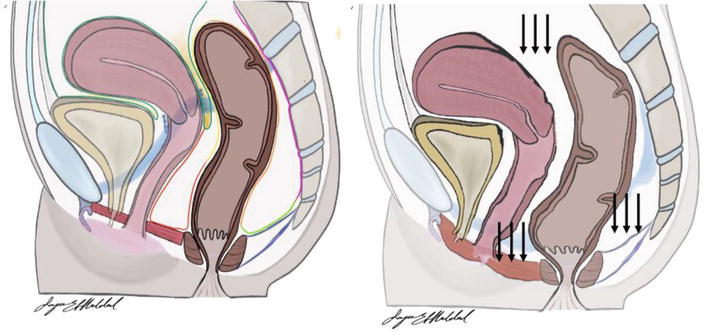
- Rectocele: A bulging of the rectal wall into the vagina, commonly seen in women, can trap stool and make evacuation difficult.
- Enterocele: A herniation of the small intestine into the pelvic cavity that can compress the rectum.
- Internal Rectal Prolapse (Intussusception): The rectum folds inward, obstructing the normal flow of stool.
- Paradoxical Puborectalis Contraction: A muscle of the pelvic floor contracts instead of relaxing during defecation, blocking stool passage.
- Pelvic Floor Dyssynergia: A condition where pelvic floor muscles do not coordinate properly during a bowel movement.
- Anal Sphincter Dysfunction: Weak or uncoordinated anal muscles can prevent normal stool expulsion.
Who is more likely to develop Obstructed Defecation Syndrome?
Obstructed Defecation Syndrome is more common in middle‑aged and older women, especially those who have had multiple vaginal deliveries. It occurs due to pelvic floor muscle weakness, rectocele, or rectal prolapse after childbirth or menopause. Chronic constipation and excessive straining also increase the risk.
Risk Factors for Obstructed Defecation Syndrome
The following factors may increase the likelihood of developing ODS:
- Female gender, especially women who have had multiple vaginal deliveries
- Aging, which weakens pelvic floor muscles
- Previous pelvic or rectal surgery
- Chronic constipation or frequent straining
- Neurological conditions that affect muscle coordination
- Sedentary lifestyle or poor dietary habits
What symptoms help identify obstructed defecation?
- Straining during bowel movements (more than 25% of attempts).
- Incomplete evacuation — feeling like stool remains inside even after defecation.
- Hard, small, or thin stools that are difficult to expel.
- Manual assistance (digital evacuation) — using fingers to help stool pass.
- Fewer than three bowel movements per week.
Symptoms of Obstructed Defecation Syndrome
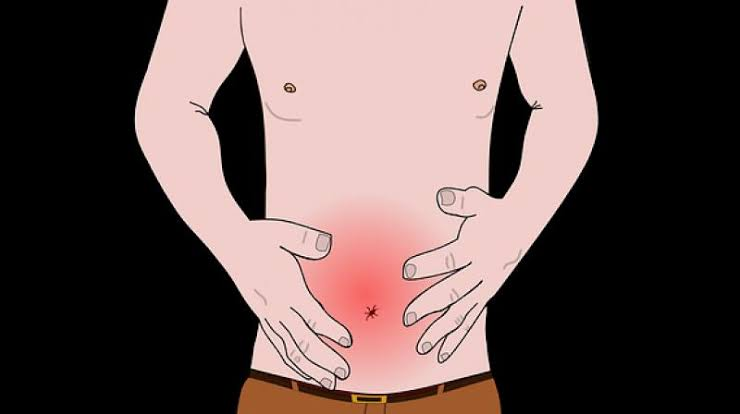
People with ODS may experience a range of symptoms related to impaired bowel function, including:
- Difficulty passing stool, even with the urge to defecate
- Excessive straining during bowel movements
- Sensation of incomplete evacuation
- Manual maneuvers, such as pressing on the perineum or vagina to help pass stool
- Pelvic pressure or discomfort
- Infrequent bowel movements
- Rectal pain or bleeding, in some cases
What problems can develop if ODS is left untreated?
untreated ODS can progress from painful straining to structural damage of the pelvic floor and rectum, making bowel movements increasingly difficult and leading to both physical and emotional problems.
Complications of Obstructed Defecation Syndrome
If not managed properly, ODS can lead to:
- Worsening constipation
- Hemorrhoids due to chronic straining
- Rectal prolapse
- Anal fissures
- Psychological stress and reduced quality of life
How is Obstructed Defecation Syndrome diagnosed?
1) Symptom Evaluation
- Doctors use scoring charts to assess severity of straining, incomplete evacuation, manual assistance, and frequency of bowel movements.
- Rome IV criteria: ≥2 symptoms (straining, incomplete evacuation, hard stools, manual maneuvers, <3 bowel movements/week) for at least 3 months.
2) Physical Examination
- Digital Rectal Exam (DRE): Checks for blockages, prolapse, muscle reflexes, and pain.
- Observation of perineal descent during straining.
3) Imaging Studies
- Defecography (X‑ray or MRI): Real‑time imaging while the patient attempts to pass stool; reveals rectocele, intussusception, or prolapse.
- Endoanal Ultrasound: Assesses sphincter muscle integrity, often after childbirth or surgery.
Diagnosis of Obstructed Defecation Syndrome
Diagnosis involves a detailed evaluation to understand the underlying cause:
- Medical History and Physical Examination: Includes a rectal exam to detect anatomical issues.
- Defecography: An X-ray or MRI-based imaging test that shows how the rectum functions during a bowel movement.
- Anorectal Manometry: Measures muscle strength and coordination in the rectum and anus.
- Balloon Expulsion Test: Assesses the ability to expel a small water-filled balloon placed in the rectum.
- Colonoscopy: Performed in some cases to rule out other causes of obstruction or bleeding.
What are the treatment options for managing obstructed defecation?
1) Lifestyle changes: high‑fiber diet, good hydration, and avoiding excessive straining.
2) Pelvic floor therapy & biofeedback: retrains muscles to coordinate properly during defecation.
3) Medications: stool softeners or mild laxatives for short‑term relief.
4) Surgery: used when structural problems like rectocele or rectal prolapse are present (e.g., STARR procedure, rectopexy).
Treatment of Obstructed Defecation Syndrome
The treatment depends on the specific cause and severity of the condition. Common treatment approaches include:
Lifestyle and Dietary Changes
- High-fiber diet to soften stools
- Increased water intake to improve stool consistency
- Regular physical activity to promote healthy bowel movements
Pelvic Floor Physical Therapy
- Biofeedback therapy to retrain pelvic muscles and improve coordination
- Pelvic floor exercises such as Kegels
Medications
- Stool softeners or laxatives to ease stool passage
- Suppositories or enemas for occasional use
Surgical Treatment (only if conservative treatments fail)
- Rectocele repair or rectal prolapse correction
- STARR procedure (Stapled Transanal Rectal Resection) to remove excess rectal tissue
Can Obstructed Defecation Syndrome be prevented?
ODS can often be prevented by keeping stools soft and avoiding chronic straining. A fiber‑rich diet with plenty of water helps maintain smooth bowel movements. Pelvic floor exercises strengthen muscles, especially after childbirth. Regular physical activity supports bowel function, and responding promptly to the urge to defecate prevents stool buildup.
👉 In short: healthy diet, hydration, exercise, and pelvic floor care reduce the risk of ODS.
Prevention of Obstructed Defecation Syndrome
While not all causes are preventable, certain habits can help reduce the risk:
- Avoid straining during bowel movements
- Respond to the urge to defecate without delay
- Stay hydrated and follow a fiber-rich diet
- Exercise regularly to support bowel motility
- Strengthen pelvic floor muscles through guided exercises
When should you see a doctor?
You should see a doctor if you have persistent constipation, straining, or incomplete evacuation for more than 3 months, or if you need to use your fingers to help stool pass. Also seek medical help if you notice rectal pain, bleeding, prolapse, or fecal incontinence.
👉 In simple terms: if bowel problems don’t improve with diet and hydration, or if they cause pain, bleeding, or require manual help, it’s time to consult a doctor.
When to See a Doctor
Consult a healthcare provider if you experience:
- Ongoing constipation despite lifestyle changes
- The need to manually assist bowel movements
- A feeling of incomplete emptying
- Rectal pain, bleeding, or unusual pressure during defecation
- A noticeable bulge in the rectal or vaginal area
