


A painful urinary condition caused by chronic ketamine abuse
What is Ketamine Bladder Syndrome?
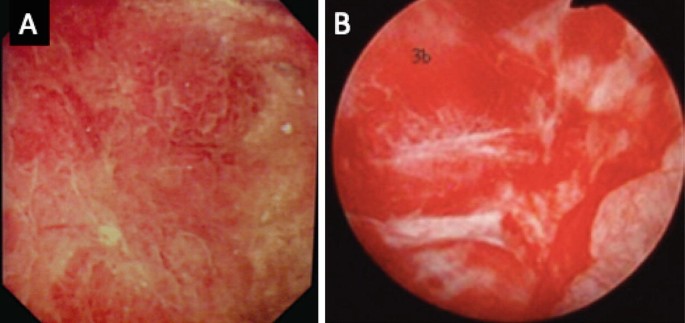
Ketamine Bladder Syndrome, also known as Ketamine-Induced Ulcerative Cystitis, is a serious urinary tract condition caused by the long-term, frequent use of ketamine—especially when used recreationally. It leads to inflammation, ulceration, and scarring of the bladder, which can significantly impair quality of life and may lead to permanent damage if untreated.
What causes Ketamine Bladder Syndrome?
The condition is caused by:
- Repeated exposure of the bladder lining to ketamine and its toxic metabolites
- Direct chemical irritation of the bladder wall
- Inflammatory response and damage to bladder tissue over time
This damage is not typically seen with short-term or medical use, but chronic recreational use can severely affect bladder health.
Who is at risk?
- Individuals abusing ketamine recreationally, especially in high or frequent doses
- Long-term users of ketamine (over weeks or months)
- People who snort, inject, or consume ketamine orally without medical supervision
- Young adults and teens using ketamine at parties or clubs
What are the symptoms of Ketamine Bladder Syndrome?
- Frequent urination (often more than 30 times a day)
- Urgency to urinate
- Pelvic or bladder pain, especially during urination
- Blood in urine (hematuria)
- Incontinence (involuntary urination)
- Painful urination (dysuria)
- Reduced bladder capacity, leading to small urine volumes
- Nocturia (waking up frequently at night to urinate)
What are the complications?
If untreated, it can lead to:
- Severe bladder fibrosis (stiffening and thickening of the bladder wall)
- Shrunken bladder with extremely low capacity
- Kidney damage or hydronephrosis due to urine backflow
- Urinary incontinence
- Chronic pelvic pain
- Need for bladder reconstruction surgery or catheterization

How is Ketamine Bladder Syndrome diagnosed?
Diagnosis includes:
- Detailed drug use history
- Urine analysis for blood, white cells, and infections
- Bladder ultrasound to check for wall thickening or reduced size
- Cystoscopy to visualize the inside of the bladder
- Urodynamic studies to evaluate bladder function
How is Ketamine Bladder Syndrome treated?
Primary step:
- Immediate cessation of ketamine use is crucial to halt further damage.
Medical treatments:
- Anti-inflammatory medications
- Antibiotics (if infection is present)
- Bladder instillations (such as hyaluronic acid or heparin to coat and heal the bladder lining)
- Pain management with appropriate medications
- Anticholinergic drugs to reduce bladder spasms
Advanced treatments:
- Botox injections into the bladder wall for severe overactivity
- Bladder augmentation surgery in end-stage disease
- Catheterization if bladder function is severely impaired
What is the prognosis?
- Early treatment and ketamine cessation can significantly improve symptoms
- In moderate to severe cases, some bladder damage may be irreversible
- Some patients require surgical intervention for quality of life restoration
- Ongoing urological follow-up is often necessary
Can Ketamine Bladder Syndrome be prevented?
Yes, prevention is possible by:
- Avoiding recreational ketamine use
- Educating users and healthcare providers about the risks
- Early detection of urinary symptoms in ketamine users
- Supporting people struggling with substance abuse to seek help
