


What is Juvenile-Onset Epilepsy?
Juvenile-Onset Epilepsy refers to a group of seizure disorders that begin during childhood or adolescence. Epilepsy is a neurological condition where abnormal electrical activity in the brain causes recurrent seizures. In juvenile cases, the seizures may start anytime between early childhood and late teenage years.
The condition can vary in severity and type, but with proper management, many young people can lead normal and active lives.

What causes it?
Causes of Juvenile-Onset Epilepsy can include:
- Genetic factors – Some types are inherited or linked to gene mutations
- Brain abnormalities – Such as developmental malformations or past head injuries
- Infections – Like meningitis or encephalitis during childhood
- Metabolic or autoimmune disorders
- In many cases, the exact cause may not be identified (idiopathic epilepsy)
What are the symptoms?
Seizure symptoms can vary widely depending on the type of epilepsy. Common signs include:
- Sudden episodes of staring or unresponsiveness (absence seizures)
- Muscle jerks or twitching (myoclonic seizures)
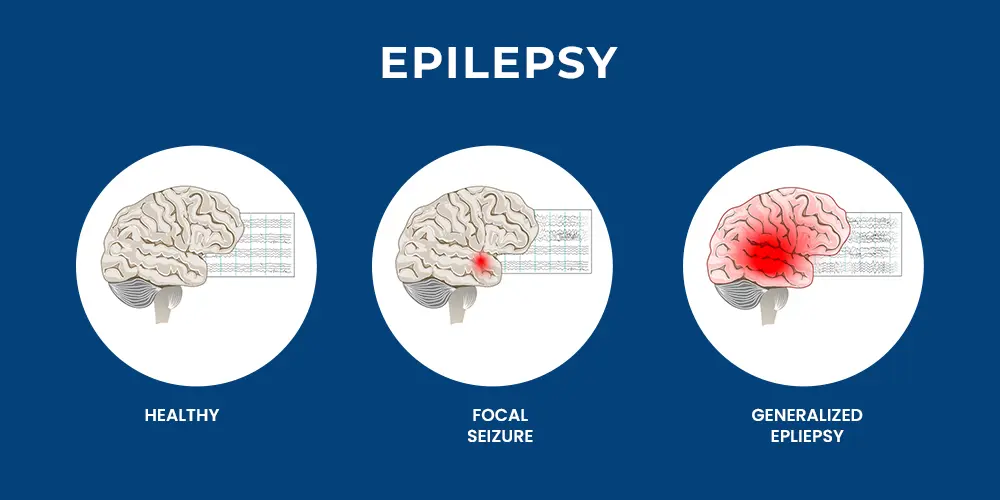
- Loss of consciousness with convulsions (generalized tonic-clonic seizures)
- Unusual sensations, emotions, or movements (focal seizures)
Seizures may last a few seconds to a few minutes and may occur randomly or be triggered by stress, sleep deprivation, flashing lights, or illness.
How is it diagnosed?
Diagnosis involves:
- Medical history and symptom description
- EEG (electroencephalogram) – Measures brain electrical activity and detects abnormalities
- Brain imaging (MRI or CT scans) – To check for structural brain problems
- Blood tests – To rule out infections, metabolic conditions, or genetic causes
A neurologist may classify the type of epilepsy to help guide treatment.
How is it treated?
Treatment for Juvenile-Onset Epilepsy focuses on controlling seizures:
- Antiepileptic medications – Most children respond well to medications like valproic acid, lamotrigine, or levetiracetam
- Ketogenic diet – A high-fat, low-carb diet may help reduce seizures in some children
- Vagus nerve stimulation (VNS) – A device implanted in the chest may help when medications are not effective
- Epilepsy surgery – In rare cases, surgery may be needed to remove the area of the brain causing seizures
Lifestyle adjustments such as regular sleep, stress management, and avoiding seizure triggers are also important.
What is the prognosis?
Many children with juvenile-onset epilepsy can achieve good seizure control with treatment, and some may eventually outgrow the condition. Others may need long-term therapy. Regular follow-ups are essential to monitor growth, development, and medication side effects.
When should I see a doctor?
Consult a healthcare provider if your child:
- Experiences recurrent seizures or strange episodes
- Has sudden loss of consciousness or convulsions
- Displays unusual behavior or unresponsiveness
- Shows side effects from epilepsy medications
Early diagnosis and proper management can greatly improve outcomes and quality of life.
