


What is Dandy-Walker Syndrome?
Dandy-Walker Syndrome is a rare brain condition that affects how the cerebellum (the part of the brain that controls movement and balance) develops. It usually involves a small or missing part of the cerebellum and fluid-filled spaces in the brain that may become enlarged due to excess cerebrospinal fluid (CSF). This condition is often present from birth (congenital).

Key Features of Dandy-Walker Syndrome
- An underdeveloped or missing cerebellar vermis (the part that connects the two sides of the cerebellum)
- Cyst formation near the base of the skull
- Enlargement of the fourth ventricle, a space in the brain that holds CSF
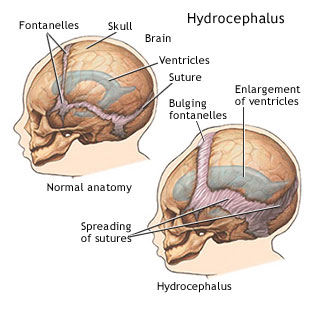
- Possible buildup of fluid in the brain (hydrocephalus), which can increase pressure inside the skull
What Causes Dandy-Walker Syndrome?
The exact cause is unknown, but it may be linked to:
- Genetic mutations or abnormalities
- Chromosomal conditions like trisomy 13, 18, or 21
- Environmental factors affecting brain development during pregnancy
Signs and Symptoms
Symptoms can vary widely, especially depending on whether other birth defects or brain problems are present. Common signs include:
- Enlarged head or rapid head growth (due to hydrocephalus)
- Poor muscle coordination or balance issues
- Delayed development, especially in motor skills
- Irritability or vomiting, due to increased pressure in the skull
- Seizures (in some cases)
- Problems with speech, vision, or intellectual development
How is it Diagnosed?
Doctors may suspect Dandy-Walker Syndrome before birth using ultrasound or MRI. After birth, diagnosis usually involves:
- MRI or CT scans of the brain
- Neurological exams
- Genetic testing, if a chromosomal disorder is suspected
Treatment Options
There is no cure for Dandy-Walker Syndrome, but treatments focus on managing symptoms and improving quality of life. Treatment may include:
- Surgery, such as a shunt to drain excess fluid if hydrocephalus is present
- Physical therapy to support motor development
- Occupational and speech therapy
- Medications for seizures or other related symptoms
- Ongoing medical care from a team of specialists
Living with Dandy-Walker Syndrome
Each person with Dandy-Walker Syndrome is different. Some children may have mild symptoms and lead relatively normal lives, while others may face significant challenges. Early intervention and supportive care make a big difference in development and overall well-being.