


What is Lung Metastasis?
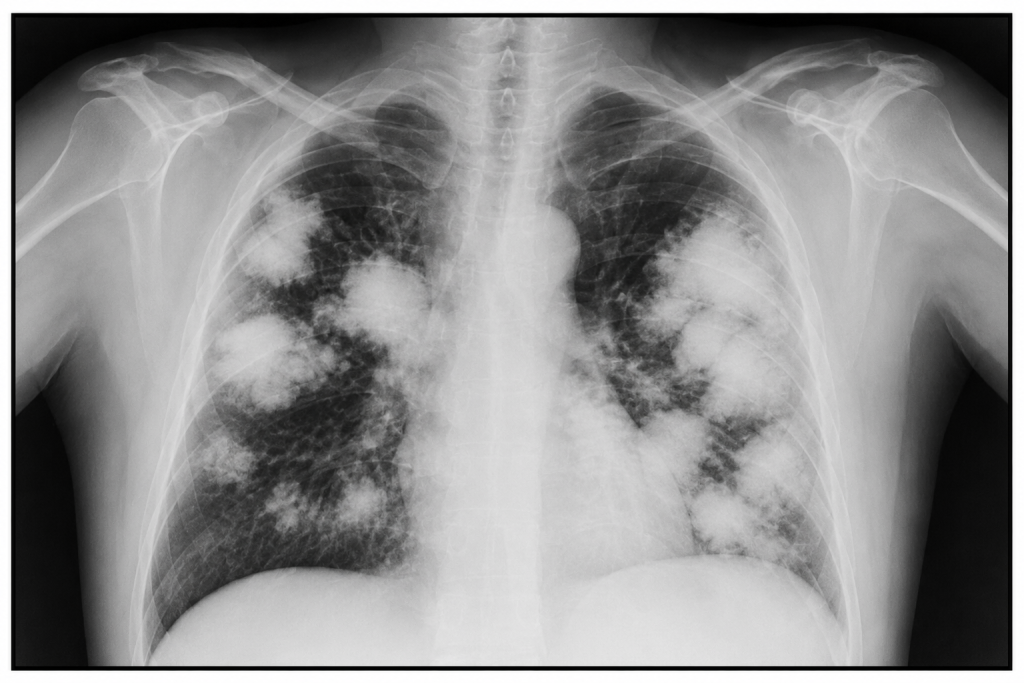
Lung metastasis refers to the spread of cancer cells from a primary tumor located elsewhere in the body to the lungs. This is different from primary lung cancer, which starts in the lungs themselves. Because the lungs filter blood from all over the body, they are a common site for metastatic cancer. Lung metastases often indicate advanced cancer, but treatments are available to manage symptoms and improve quality of life.
Causes of Lung Metastasis
Lung metastasis occurs when cancer cells from other parts of the body travel through the bloodstream or lymphatic system to the lungs. Common primary cancers that spread to the lungs include:
- Breast cancer
- Colon and rectal cancer
- Kidney cancer
- Bladder cancer
- Prostate cancer
- Head and neck cancers
- Melanoma (skin cancer)
- Sarcomas (bone and soft tissue cancers)
Virtually any cancer can metastasize to the lungs, though the likelihood varies depending on the cancer type and stage.
Symptoms of Lung Metastasis
Many people with lung metastases do not have noticeable symptoms at first. When symptoms do appear, they may include:
- Persistent Cough: A dry or productive cough that does not go away.
- Shortness of Breath: Difficulty breathing or feeling out of breath with activity.
- Chest Pain: Discomfort that can be sharp or dull.
- Coughing Up Blood (Hemoptysis): Blood in sputum can be a warning sign.
- Fatigue: Feeling extremely tired without clear reason.
- Unexplained Weight Loss: Losing weight without trying.
- Frequent Respiratory Infections: Repeated pneumonia or bronchitis.
Symptoms often depend on the number, size, and location of the metastatic tumors.
Diagnosis of Lung Metastasis
Detecting lung metastasis typically involves several steps:
- Medical History and Physical Examination: Understanding the history of primary cancer and any new respiratory symptoms.
- Chest X-ray: A common first test that may reveal nodules, masses, or other abnormalities.
- CT Scan of the Chest: Offers a detailed view of the lungs to identify small metastases.
- PET Scan: Helps determine if metastases are active and identifies spread to other areas.
- MRI: Used in certain cases to examine complex areas.
- Biopsy:
- A sample of lung tissue may be taken using a needle (CT-guided), bronchoscopy, or surgery to confirm the diagnosis.
- Blood Tests: To assess overall health and look for tumor markers.
Accurate diagnosis helps guide appropriate treatment strategies.
Treatment of Lung Metastasis
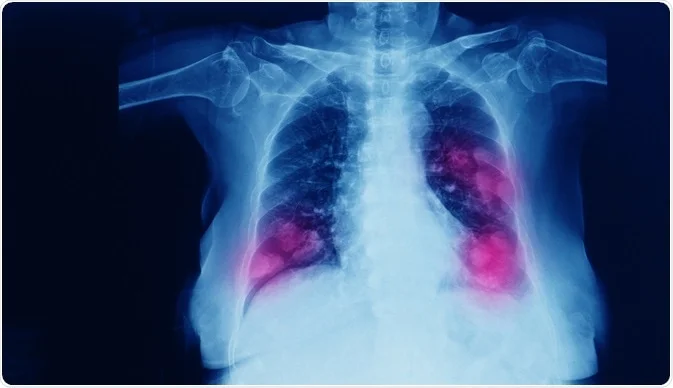
Treatment depends on several factors, including the type of primary cancer, number and size of metastases, overall health, and the patient’s goals. Common options include:
1. Systemic Therapy
- Chemotherapy:
- Drugs that kill cancer cells throughout the body.
- Targeted Therapy:
- Focuses on specific genetic changes in cancer cells.
- Immunotherapy:
- Boosts the immune system to attack cancer cells.
2. Local Therapy
- Surgery (Metastasectomy):
- Surgical removal of lung metastases may be considered if there are a limited number and if the primary cancer is controlled.
- Radiation Therapy:
- High-energy beams target and destroy cancer cells.
- Stereotactic Body Radiotherapy (SBRT): A precise, high-dose form of radiation for small metastases.
3. Palliative Care
- Focuses on relieving symptoms and improving quality of life without attempting to cure the cancer.
- May involve medications for pain, breathing difficulty, or other symptoms.
Combination therapies are often used to provide the best possible outcome.
Recovery and Outlook
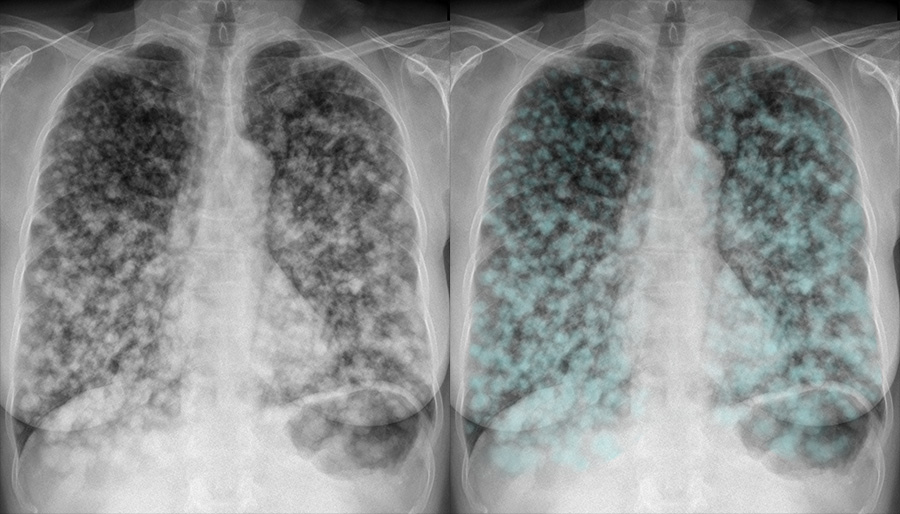
The outlook for lung metastasis depends on:
- Type and aggressiveness of the primary cancer
- Extent of spread
- Response to treatment
- Overall health and fitness
Some people live many years with metastatic cancer through modern treatments. Others may focus on symptom management and quality of life. Early detection and a tailored treatment approach can improve survival and comfort.
Complications of Lung Metastasis
Potential complications include:
- Respiratory Failure: Severe breathing difficulty if the lungs are extensively involved.
- Pleural Effusion: Fluid buildup around the lungs causing shortness of breath.
- Hemoptysis: Bleeding from the lungs can sometimes be significant.
- Pain: Due to tumor growth in the chest wall or airways.
- Reduced Mobility and Activity: Ongoing symptoms can impact daily life.
Close monitoring and timely intervention help manage these risks effectively.
Prevention of Lung Metastasis
Preventing lung metastasis largely involves controlling the primary cancer:
- Early Cancer Detection: Catching and treating cancers early reduces the risk of spread.
- Adherence to Treatment: Completing chemotherapy, radiation, or surgery as recommended.
- Regular Follow-ups: Ongoing monitoring with imaging and blood tests.
- Healthy Lifestyle:
- Avoid smoking.
- Maintain a healthy weight.
- Follow a balanced diet.
- Exercise regularly as tolerated.
- Prompt Attention to Symptoms: Report new cough, chest pain, or shortness of breath early.
Proactive care and surveillance after a cancer diagnosis are key to reducing the risk of metastasis.
