


What is Leukoplakia?
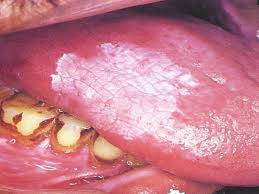
Leukoplakia refers to the development of thick, white patches or plaques on the mucous membranes inside the mouth, typically on the tongue, gums, or the insides of the cheeks. The patches are often non-painful, but they can become irritated or sensitive. Leukoplakia is considered a precancerous condition, as some of the patches may develop into oral cancer over time.
What Are the Types of Leukoplakia?
Leukoplakia can be classified based on its appearance and behavior:
- Homogeneous Leukoplakia: This is a flat, smooth white patch with a uniform appearance and texture. It is the most common form and generally considered to have a lower risk of developing into cancer.
- Non-Homogeneous Leukoplakia: This form has irregular edges and may have a raised or verrucous (wart-like) texture. It carries a higher risk of developing into oral cancer.
- Erythroleukoplakia: A combination of red and white patches, this type is associated with a higher likelihood of malignancy.
What Are the Causes of Leukoplakia?
Leukoplakia is primarily caused by irritation or trauma to the mucous membranes. Common causes include:
- Tobacco Use: Smoking or chewing tobacco is the most significant risk factor for leukoplakia, particularly in the mouth.
- Alcohol Consumption: Excessive alcohol use can also irritate the mucous membranes and contribute to the development of leukoplakia.
- Chronic Irritation: Poorly fitting dentures, rough teeth, or fillings that irritate the oral mucosa may cause leukoplakia.
- Human Papillomavirus (HPV): Certain strains of HPV, particularly HPV-16, are linked to the development of leukoplakia and may increase the risk of oral cancer.
- Weakened Immune System: Individuals with compromised immune systems, such as those with HIV/AIDS, may be at a higher risk of developing leukoplakia.
What Are the Symptoms of Leukoplakia?
Leukoplakia typically does not cause pain or discomfort, but in some cases, individuals may experience:
- White Patches: The primary symptom is the appearance of thick, white patches on the inside of the mouth.
- Soreness: Some people may experience mild soreness or irritation in the affected areas.
- Bleeding: If the patches become injured, they may bleed.
- Difficulty Moving the Tongue or Cheeks: In some cases, leukoplakia can cause limited movement in the affected area.

How is Leukoplakia Diagnosed?
Diagnosis of leukoplakia is typically made during a routine dental or medical examination. Your healthcare provider may:
- Examine the Oral Cavity: The doctor or dentist will visually inspect the inside of the mouth for white patches and abnormal growths.
- Biopsy: If there is any suspicion that the leukoplakia is potentially malignant or unusual in appearance, a biopsy may be performed. A small sample of tissue will be removed and examined under a microscope for signs of dysplasia (abnormal cell growth) or cancer.
- HPV Testing: In some cases, testing for HPV infection may be done, especially if there are concerns about a high-risk strain contributing to the condition.
What Are the Treatment Options for Leukoplakia?
The treatment for leukoplakia depends on the severity of the condition and whether there is any evidence of precancerous or cancerous changes:
- Eliminate Irritants: The first step in managing leukoplakia is to eliminate any known irritants. This may involve stopping smoking or chewing tobacco, reducing alcohol intake, and addressing any dental issues such as rough fillings or dentures.
- Observation: In some cases, if the leukoplakia is not causing any symptoms or concerns, it may simply be monitored over time for any changes.
- Surgical Removal: If the leukoplakia is large, or there is a risk of it developing into cancer, surgical removal of the patches may be necessary. This can be done through excision, laser therapy, or cryotherapy (freezing the tissue).
- Medications: In some instances, medications may be used to treat leukoplakia. These may include topical treatments to reduce irritation or medications to promote healing.
- Mouth Rinses: In cases where the leukoplakia is caused by irritation from tobacco or other environmental factors, special mouth rinses may be recommended to reduce inflammation and discomfort.
What Are the Possible Complications of Leukoplakia?
While many cases of leukoplakia are benign and pose little risk, there are potential complications to be aware of:
- Oral Cancer: Leukoplakia is considered a precancerous condition, and some patches may develop into oral cancer, particularly in individuals with a history of smoking or heavy alcohol use.
- Infection: If the patches become injured or irritated, they may become infected, leading to pain and complications.
- Discomfort or Difficulty Eating: In severe cases, leukoplakia may interfere with eating or speaking, particularly if it causes significant soreness or swelling in the mouth.
Can Leukoplakia Be Prevented?
Leukoplakia may not always be preventable, especially in those with a genetic predisposition. However, the following steps can reduce the risk:
- Quit Smoking and Using Tobacco: The most significant risk factor for leukoplakia is tobacco use, so stopping smoking or chewing tobacco can significantly lower your risk.
- Limit Alcohol Consumption: Reducing alcohol intake can help minimize irritation to the mouth and reduce the likelihood of leukoplakia developing.
- Maintain Good Oral Hygiene: Regular dental check-ups and cleaning, along with good oral hygiene, can help reduce the risk of leukoplakia.
When Should You See a Doctor for Leukoplakia?
You should see a doctor or dentist if you notice persistent white patches in your mouth, especially if they do not go away within two weeks. Early detection and treatment of leukoplakia can help prevent potential complications, such as the development of oral cancer.