


What Is Kyasanur Forest Disease?
Kyasanur Forest Disease (KFD) is a tick-borne viral hemorrhagic fever found primarily in southern India, especially in the Kyasanur forest region of Karnataka, where it was first identified in 1957. The disease is caused by the Kyasanur Forest Disease Virus (KFDV), a member of the Flavivirus family.
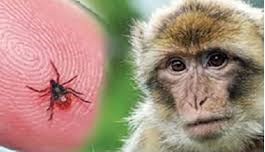
KFD primarily affects humans who come into contact with infected ticks, especially during forest activities. It is also known as monkey fever because outbreaks are often associated with monkey deaths, which serve as an early warning sign of viral presence.
What Causes Kyasanur Forest Disease?
KFD is caused by the Kyasanur Forest Disease Virus, which is transmitted to humans through the bite of infected hard ticks, mainly the Haemaphysalis spinigera species.
The virus maintains a cycle between ticks, small mammals, birds, and monkeys. Humans become accidental hosts when they venture into forested areas and are bitten by infected ticks.
There is no human-to-human transmission of KFD.
Who Is at Risk for Kyasanur Forest Disease?
People most at risk include:
- Farmers, forest workers, and hunters
- Tribal communities living near forests
- Herders and campers who frequent tick-infested areas
- Individuals living in or visiting endemic areas during peak tick activity seasons (January to June)
Outbreaks are seasonal, peaking in the dry months when tick activity increases.
What Are the Symptoms of Kyasanur Forest Disease?
Symptoms typically appear 3 to 8 days after a tick bite and may progress in two phases:
First Phase Symptoms:
- High fever
- Headache
- Muscle pain (myalgia)
- Vomiting and nausea
- Diarrhea
- Abdominal pain
- Bleeding from nose, gums, or in the gastrointestinal tract (in some cases)
Second Phase (in 10–20% of patients, after 1–2 weeks):
- Neurological symptoms such as:
- Severe headache
- Mental confusion
- Tremors
- Vision disturbances
The second phase is more dangerous and may lead to encephalitis (brain inflammation).

How Is Kyasanur Forest Disease Diagnosed?
Diagnosis is based on a combination of clinical symptoms and laboratory tests, especially in patients from endemic areas.
Diagnostic methods include:
- RT-PCR (detects viral RNA in blood)
- ELISA tests (to detect antibodies or viral antigens)
- Virus isolation (in specialized laboratories)
Due to symptom overlap with other infections like dengue or leptospirosis, lab confirmation is essential.
How Is Kyasanur Forest Disease Treated?
There is no specific antiviral treatment for KFD. Management is supportive, aimed at relieving symptoms and preventing complications.
Supportive care includes:
- Fever management (paracetamol or other antipyretics)
- Adequate hydration
- Blood transfusion (if bleeding is significant)
- Monitoring for neurological symptoms
- Hospitalization in severe cases
Early diagnosis and supportive care improve the chances of recovery.
Can Kyasanur Forest Disease Be Prevented?
Yes, KFD prevention focuses on vaccination, tick control, and protective measures:
- KFD vaccine: Available in endemic areas of India. Multiple doses and boosters are recommended for full protection.
- Wearing protective clothing while working or walking in forested areas
- Use of tick repellents on skin and clothes
- Avoiding known outbreak areas
- Early reporting of monkey deaths and suspected cases to health authorities
Public health programs often include tick control measures and awareness campaigns during outbreak seasons.
What Is the Outlook for Kyasanur Forest Disease?
The disease can range from mild to severe, with a case fatality rate between 3% and 10%. Most people recover with supportive care, although some may experience long-term neurological effects.
Timely medical attention and vaccination in high-risk areas greatly reduce the risk of complications and death.