What Is Iodine Deficiency?
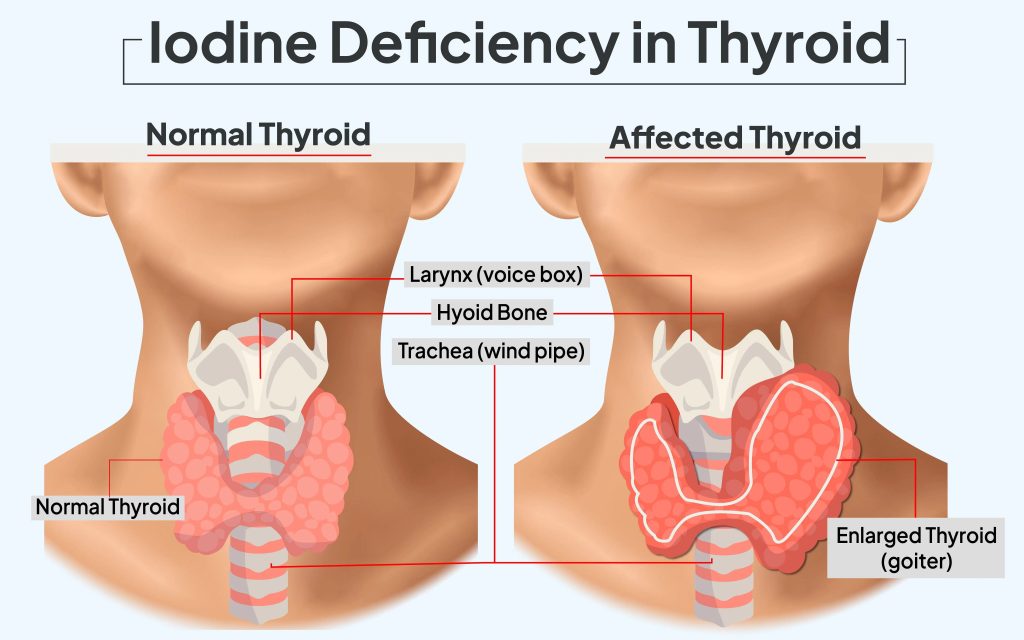
Iodine deficiency occurs when the body doesn’t get enough iodine, a vital mineral needed to make thyroid hormones. These hormones control metabolism, growth, and brain development. Without enough iodine, the thyroid gland can’t function properly, which may lead to serious health problems.
Why Is Iodine Important?
Iodine is essential for:
- Thyroid hormone production
- Regulating metabolism
- Brain development in infants and children
- Reproductive health
The body does not produce iodine on its own, so it must come from food or supplements.
What Causes Iodine Deficiency?
Iodine deficiency typically happens due to:
- Low dietary intake (especially in areas with iodine-deficient soil)
- Lack of iodized salt
- Pregnancy and breastfeeding, which increase iodine needs
- Eating goitrogenic foods (like cassava, cabbage, or soy) in excess
- Certain health conditions that interfere with iodine absorption
Who Is at Risk?
- People living in regions with low natural iodine levels
- Pregnant or breastfeeding women
- Vegetarians or vegans (if avoiding iodized salt or dairy)
- Individuals not using iodized salt
- People with thyroid disorders
What Are the Symptoms of Iodine Deficiency?
Symptoms can vary depending on the severity but may include:
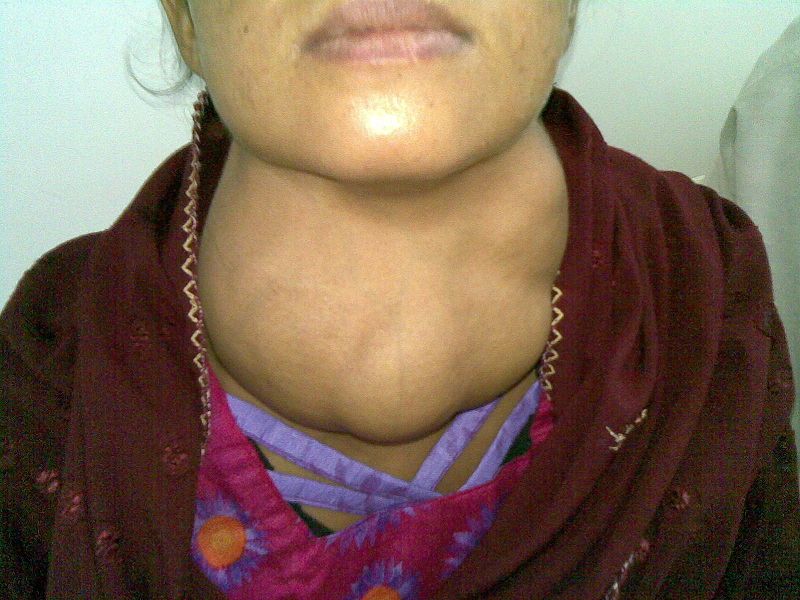
- Goiter (enlarged thyroid gland in the neck)
- Fatigue or weakness
- Weight gain
- Cold intolerance
- Constipation
- Dry skin and hair
- Slow heart rate
- Depression or poor concentration
- Developmental delays in children
In infants and children, severe iodine deficiency can cause:
- Cretinism (severe developmental delay)
- Growth retardation
- Intellectual disabilities
- Hearing or speech problems
How Is Iodine Deficiency Diagnosed?
Diagnosis usually involves:
- Physical exam (to check for goiter)
- Thyroid function tests (TSH, T3, T4)
- Urinary iodine test (to measure iodine intake)
- Ultrasound of the thyroid in some cases
How Is Iodine Deficiency Treated?
Treatment focuses on restoring normal iodine levels:
- Increasing dietary iodine (iodized salt, dairy, eggs, seafood, seaweed)
- Iodine supplements, especially for pregnant women or those with higher needs
- Treating any thyroid dysfunction caused by the deficiency
- Monitoring iodine levels in populations at risk
How Can Iodine Deficiency Be Prevented?
- Use iodized salt for cooking and at the table.
- Eat iodine-rich foods regularly:
- Seafood (fish, shrimp)
- Seaweed (kelp, nori)
- Dairy products
- Eggs
- Pregnant and breastfeeding women should take prenatal vitamins with iodine.
- Avoid excessive intake of goitrogenic foods unless well-cooked or balanced with iodine intake.
When Should You See a Doctor?
See a healthcare provider if you:
- Notice swelling in the neck
- Feel tired, sluggish, or sensitive to cold
- Experience weight gain without changes in diet
- Have fertility issues or developmental delays in children