


What is Tularemia?
Tularemia is a rare infectious disease caused by the bacterium Francisella tularensis. It affects animals and humans and is sometimes called “rabbit fever” or “deer fly fever.” The infection can occur through insect bites, direct contact with infected animals, or inhaling contaminated dust.
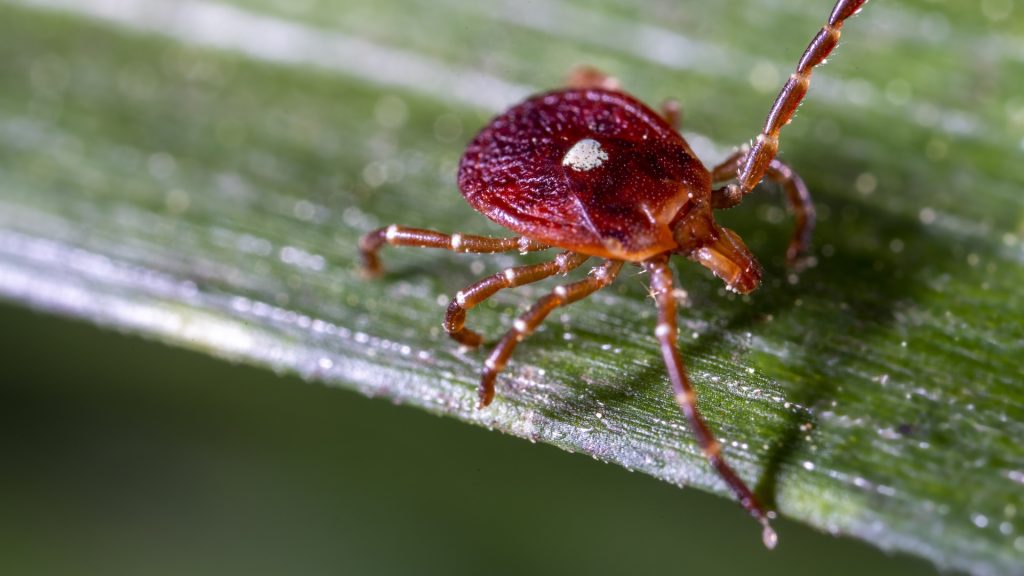
What Causes Tularemia?
Tularemia is caused by exposure to Francisella tularensis, a bacterium found in animals like rabbits, rodents, and ticks. Common ways to get infected include:
- Bites from infected ticks, deer flies, or mosquitoes.
- Handling infected animals, especially rabbits.
- Breathing in dust or aerosols contaminated with the bacteria.
- Drinking contaminated water.
- Laboratory exposure in rare cases.
What are the Symptoms of Tularemia?
Symptoms usually develop within 3 to 5 days of exposure and can vary depending on how the infection entered the body. Common signs include:
- Sudden fever and chills.
- Headache and muscle aches.
- Swollen and painful lymph nodes.
- Skin ulcers at the site of infection.
- Sore throat and mouth ulcers (if infection is through ingestion).
- Cough, chest pain, and difficulty breathing (if inhaled).
- Fatigue and general weakness.
How is Tularemia Diagnosed?
Diagnosis involves:
- Medical history and physical exam: Considering exposure risks and symptoms.
- Laboratory tests: Blood tests or cultures to identify the bacteria.
- Serologic tests: To detect antibodies against Francisella tularensis.
- Imaging: Chest X-rays if respiratory symptoms are present.
How is Tularemia Treated?
Tularemia is treated effectively with antibiotics. Treatment options include:
- Streptomycin or gentamicin: Usually the first choice for serious cases.
- Doxycycline or ciprofloxacin: Used for mild to moderate infections or oral treatment.
- Supportive care: Managing fever and symptoms.
Early treatment is important to prevent complications.
What is the Prognosis for Tularemia?
- With prompt antibiotic treatment, most people recover fully.
- Without treatment, tularemia can cause serious illness and may be fatal.
- Some forms, like the pneumonic type, are more severe and require urgent care.

Can Tularemia Be Prevented?
Prevention involves reducing exposure risk:
- Avoiding tick and insect bites by using repellents and protective clothing.
- Handling animals carefully with gloves.
- Cooking wild game thoroughly.
- Avoiding contaminated water or soil.
- Using protective equipment in laboratories.
When Should You See a Doctor?
Seek medical advice if you experience:
- Fever, swollen lymph nodes, and unexplained skin sores after insect bites or animal contact.
- Respiratory symptoms like cough and chest pain after exposure to dust or aerosols.
- Signs of severe infection such as difficulty breathing or persistent high fever.
Early diagnosis and treatment improve outcomes.
