


What Is Cutaneous T-cell Lymphoma?
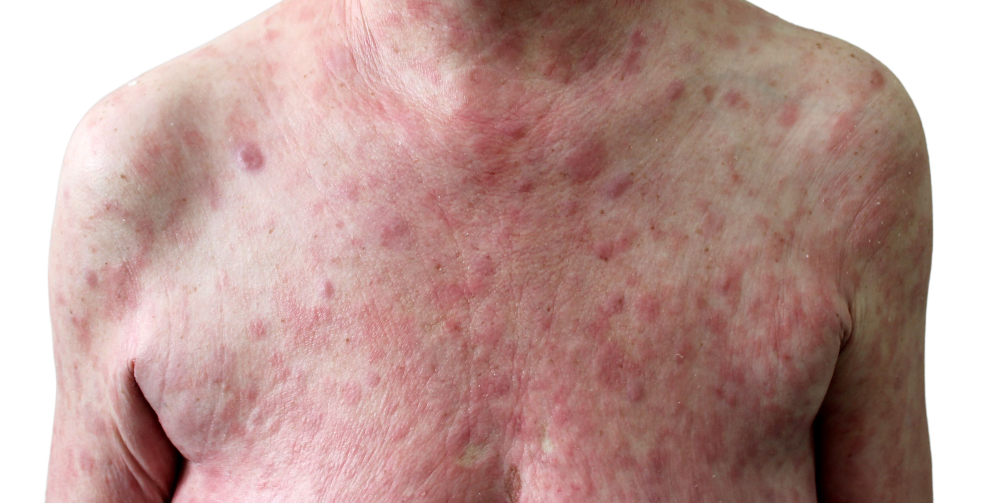
Cutaneous T-cell lymphoma (CTCL) is a rare type of cancer that primarily affects the skin. It is a form of non-Hodgkin lymphoma, a cancer of the lymphatic system, which is part of the immune system. CTCL begins when T-cells, a type of white blood cell, become abnormal and start growing uncontrollably in the skin. As the cancer progresses, it can lead to patches, plaques, and tumors on the skin.
What Causes Cutaneous T-cell Lymphoma?
The exact cause of cutaneous T-cell lymphoma is not fully understood. However, it is believed to occur when T-cells, which normally help fight infections, undergo mutations that cause them to grow uncontrollably. In many cases, the cause of the mutation is unknown. Several factors may increase the risk of developing CTCL, including:
- Genetics: A family history of lymphoma or related conditions may increase risk.
- Immune system problems: People with weakened immune systems (such as those with HIV/AIDS, organ transplant recipients, or autoimmune disorders) are at a higher risk.
- Age: CTCL typically occurs in adults, with the highest incidence in people between the ages of 40 and 60.
- Environmental factors: Certain environmental factors, such as exposure to chemicals or toxins, may contribute to the development of CTCL, though this link is not definitive.

What Are the Symptoms of Cutaneous T-cell Lymphoma?
The symptoms of CTCL vary depending on the stage and type of lymphoma. Some of the common early symptoms include:
- Red, itchy patches or plaques on the skin that may resemble eczema or psoriasis.
- Thickened skin or scaly lesions that develop over time.
- Lumps or tumors may form as the lymphoma progresses.
- Pain or soreness in the affected areas.
- Infected skin lesions that do not heal.
- Swollen lymph nodes may occur in later stages.
As the disease advances, CTCL can spread beyond the skin to other parts of the body, such as the lymph nodes, liver, or spleen, causing additional symptoms such as fever, weight loss, and fatigue.
How Is Cutaneous T-cell Lymphoma Diagnosed?
Diagnosing CTCL involves several steps to confirm the condition and rule out other skin conditions. These diagnostic procedures may include:
- Physical examination: Your doctor will examine your skin and ask about your symptoms and medical history.
- Skin biopsy: A small sample of affected skin is removed and examined under a microscope to check for the presence of abnormal T-cells.
- Blood tests: Blood tests can help evaluate your overall health and check for signs of infection or abnormal cell counts.
- Imaging tests: If the lymphoma has spread beyond the skin, imaging tests such as CT scans, PET scans, or X-rays may be used to check for affected lymph nodes or other organs.
- Stage classification: Based on the severity and extent of the disease, CTCL is staged from 1 (localized) to 4 (advanced), which helps guide treatment.
How Is Cutaneous T-cell Lymphoma Treated?
The treatment for cutaneous T-cell lymphoma varies based on the stage and type of lymphoma, as well as the individual’s overall health. The goal of treatment is to control the disease and improve quality of life. Common treatment options include:
- Topical treatments: For early-stage CTCL, topical medications like corticosteroids, chemotherapy creams, and topical retinoids may be applied directly to the skin to reduce inflammation and slow the growth of abnormal cells.
- Phototherapy: This involves exposing the skin to ultraviolet (UV) light to help control the growth of abnormal T-cells. UVB light or PUVA therapy (psoralen plus UVA light) is commonly used for early-stage disease.
- Systemic treatments: If CTCL has spread beyond the skin or is not responding to topical therapies, oral medications or injections may be used, including:
- Chemotherapy: Medications that kill rapidly growing cells, including cancer cells.
- Biologic therapies: Drugs that help modulate the immune system, such as interferon or monoclonal antibodies.
- Targeted therapies: Medications that specifically target and inhibit the growth of cancerous T-cells.
- Stem cell or bone marrow transplant: In rare cases, a stem cell transplant may be considered for people with advanced CTCL who have not responded to other treatments.
What Are the Long-Term Effects of Cutaneous T-cell Lymphoma?
With early diagnosis and appropriate treatment, many people with cutaneous T-cell lymphoma can manage their condition and live relatively normal lives. However, CTCL is a chronic disease, and some people may experience relapses, where the lymphoma returns after treatment. In advanced stages, CTCL can be harder to control, and it may spread to other organs.
Common long-term effects may include:
- Scarring or skin damage at the site of treatment.
- Ongoing skin problems like dryness, itching, or sensitivity.
- Emotional or psychological challenges due to the visible nature of the disease and the impact on appearance.
- Increased risk of infections due to weakened skin barriers from treatments.
How Can Cutaneous T-cell Lymphoma Be Prevented?
There is no known way to prevent cutaneous T-cell lymphoma. However, being aware of your risk factors and working closely with your doctor can help with early detection and effective treatment. People with a weakened immune system, such as those on immunosuppressive drugs or with HIV/AIDS, should be vigilant about their skin health and report any unusual changes to their healthcare provider.
What Are the Risks of Cutaneous T-cell Lymphoma?
The main risks associated with cutaneous T-cell lymphoma include:
- Skin complications: These can range from painful lesions to infections caused by breaks in the skin.
- Spread of lymphoma: In some cases, CTCL can progress to advanced stages, involving other organs like the lymph nodes or internal organs.
- Treatment side effects: Treatments like chemotherapy, biologic therapies, or phototherapy can cause side effects, including fatigue, skin irritation, and increased sensitivity to sunlight.