What is Temporomandibular Joint Ankylosis?
Temporomandibular Joint (TMJ) Ankylosis is a condition where the jaw joint becomes stiff or immobile due to abnormal bone or fibrous tissue formation. This limits the movement of the jaw, causing difficulty in opening the mouth.
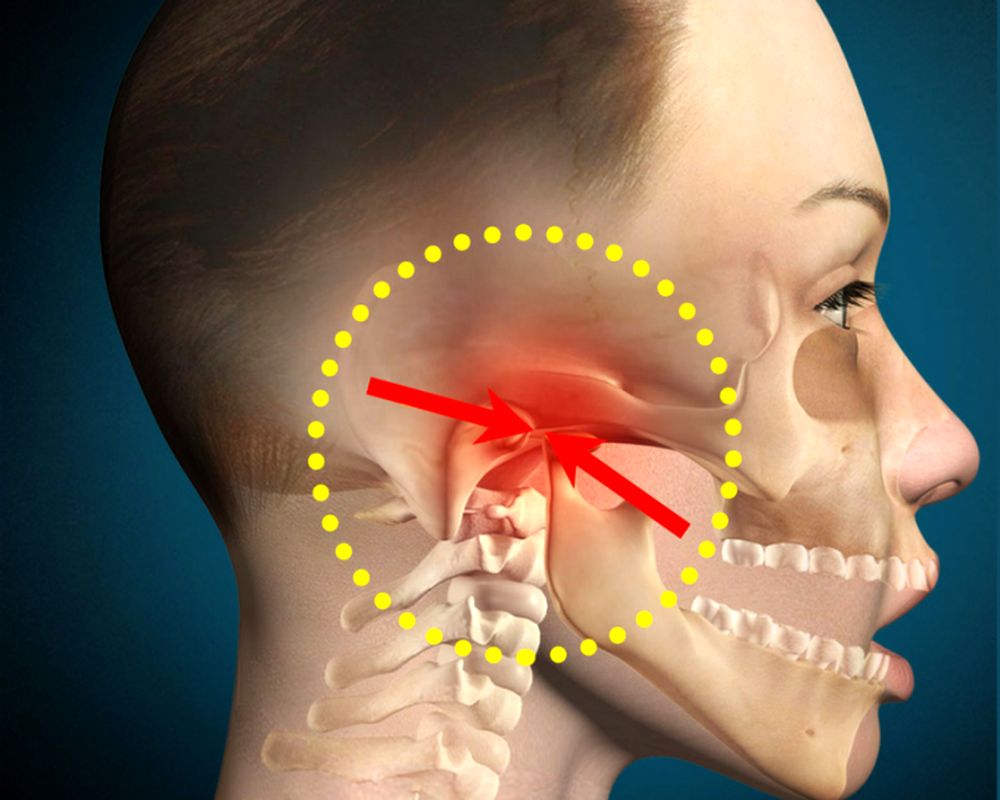
What Causes Temporomandibular Joint Ankylosis?
Common causes include:
- Trauma or injury to the jaw joint
- Infection around the joint area
- Inflammatory conditions such as arthritis
- Previous surgeries or radiation affecting the joint
- Congenital abnormalities (rare)
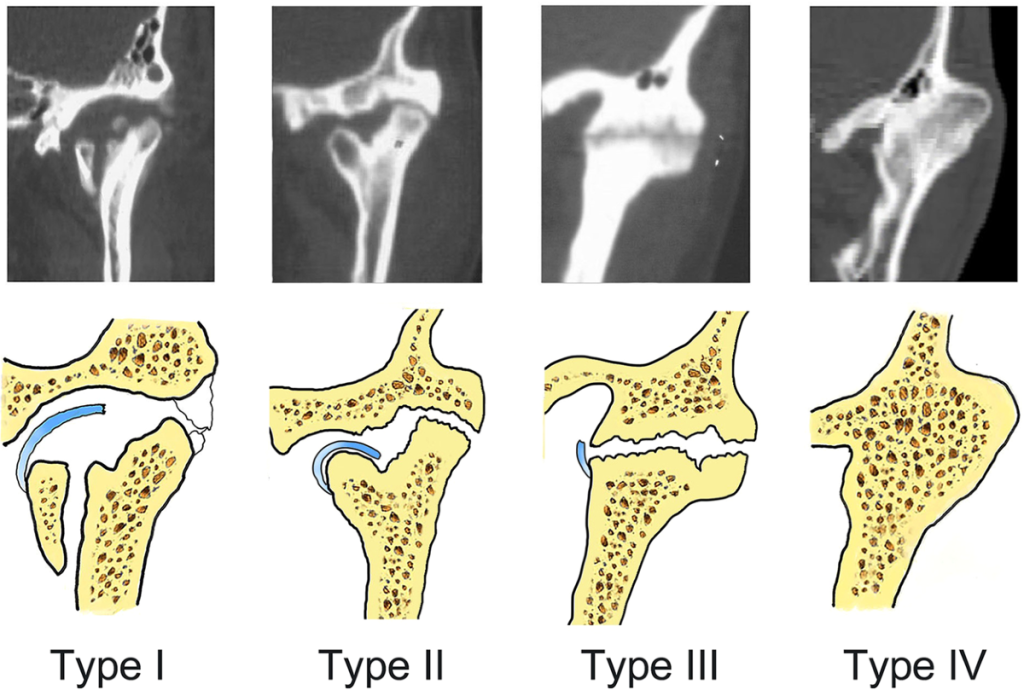
The stiffness results from fusion of the joint bones or scar tissue formation.
What Are the Symptoms of Temporomandibular Joint Ankylosis?
Symptoms often develop gradually and may include:
- Limited ability to open the mouth
- Jaw pain or discomfort
- Difficulty chewing or speaking
- Facial asymmetry in severe cases
- Growth disturbances in children if untreated
Symptoms impact daily activities and quality of life.
How is Temporomandibular Joint Ankylosis Diagnosed?
Diagnosis involves:
- Medical history and physical examination assessing jaw movement
- Imaging studies such as X-rays, CT scans, or MRI to evaluate joint structure
- Assessing any previous trauma or infections
- Ruling out other causes of jaw restriction
Early diagnosis helps in planning treatment.
How is Temporomandibular Joint Ankylosis Treated?
Treatment depends on severity and may include:
- Physical therapy and jaw exercises to improve mobility in mild cases
- Surgery to remove the ankylosed bone or scar tissue and reconstruct the joint
- Postoperative rehabilitation to maintain jaw movement
- Pain management as needed
Early intervention can prevent complications like facial deformity.
Can Temporomandibular Joint Ankylosis Be Prevented?
Prevention involves:
- Prompt treatment of jaw injuries and infections
- Avoiding trauma to the face and jaw
- Early medical evaluation after trauma or infection near the TMJ
Timely care reduces the risk of ankylosis.
When Should You See a Doctor?
See a doctor if you notice:
- Difficulty or inability to open your mouth fully
- Jaw pain or swelling after trauma or infection
- Problems with chewing or speaking
- Facial asymmetry or jaw stiffness developing over time