


What is frozen shoulder?
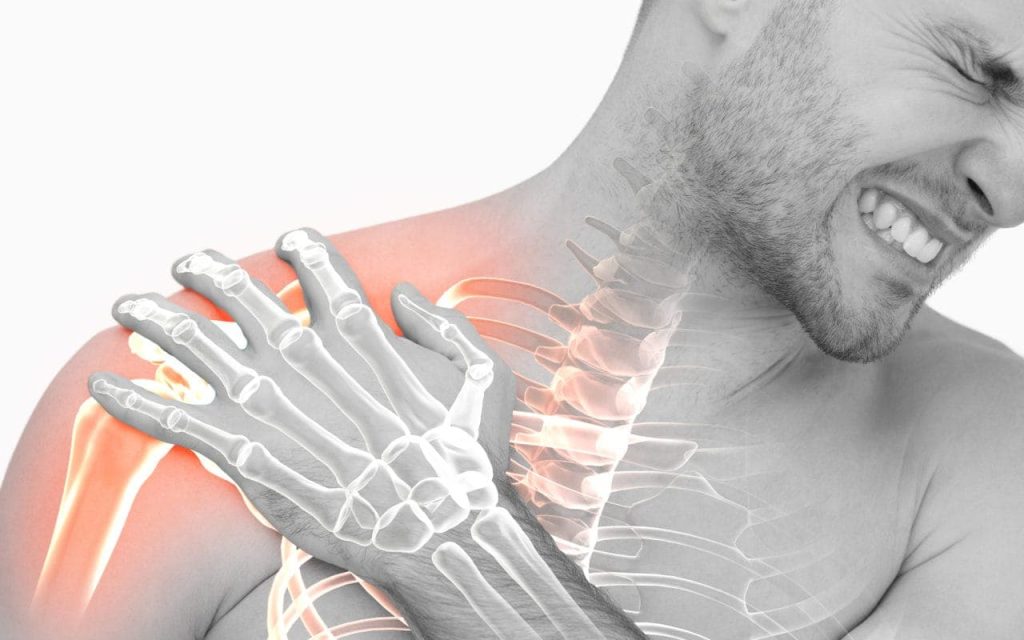
Frozen shoulder, also known as adhesive capsulitis, is a condition where the shoulder joint becomes stiff, painful, and limited in motion. It typically develops gradually, worsens over time, and then slowly improves—often taking months or even years to fully resolve.
The condition occurs when the shoulder capsule, a tissue that surrounds the joint, becomes inflamed and thickened, forming tight bands of tissue (adhesions) that restrict movement.

What causes frozen shoulder?
The exact cause isn’t always clear, but certain factors and conditions can increase your risk.
Common causes and risk factors:
- Prolonged immobility – after surgery, injury, or illness that limits arm movement
- Diabetes – one of the strongest risk factors
- Thyroid disorders – including both hyperthyroidism and hypothyroidism
- Heart disease or stroke
- Autoimmune diseases – causing inflammation in the joints
- Age – most common between ages 40 and 60
- Gender – more common in women than men
What are the stages of frozen shoulder?
Frozen shoulder typically progresses in three stages:
1. Freezing Stage
- Shoulder becomes increasingly painful
- Range of motion starts to decrease
- Lasts 6 weeks to 9 months
2. Frozen Stage
- Pain may decrease
- Shoulder becomes stiffer and harder to move
- Lasts 4 to 6 months
3. Thawing Stage
- Shoulder motion gradually improves
- Pain continues to lessen
- Can last 6 months to 2 years
What are the symptoms of frozen shoulder?
- Persistent shoulder pain, especially at night or during movement
- Stiffness and limited range of motion
- Difficulty doing daily activities like reaching overhead, putting on clothes, or combing hair
- Pain that worsens with inactivity or cold weather
How is frozen shoulder diagnosed?
Doctors typically diagnose frozen shoulder based on your symptoms and physical exam. Tests may be used to rule out other issues.
Common diagnostic methods:
- Physical exam – To check range of motion and pain level
- X-rays – To rule out arthritis or bone problems
- MRI or ultrasound – To check soft tissues, such as tendons and the shoulder capsule
How is frozen shoulder treated?
The goal of treatment is to reduce pain and restore movement. Most people improve with non-surgical treatments.
Non-surgical treatments:
- Physical therapy – The most effective treatment; exercises to improve range of motion
- Pain relievers – Over-the-counter medications like ibuprofen or acetaminophen
- Corticosteroid injections – To reduce inflammation and relieve pain
- Heat or ice packs – To ease stiffness and discomfort
- Stretching routines – Gentle exercises done daily
Surgical or advanced treatments (for severe cases):
- Shoulder manipulation – Performed under anesthesia to force the shoulder to move
- Arthroscopic surgery – Minimally invasive procedure to release tight tissues
Most people recover fully, although it can take a year or more depending on severity and treatment.
Can frozen shoulder come back?
Yes, it can return—usually in the opposite shoulder, especially in people with conditions like diabetes. However, it’s rare for the same shoulder to be affected again.
How can frozen shoulder be prevented?
You may not always be able to prevent it, but these tips can reduce your risk:
- Keep your shoulder moving after surgery or injury, as much as your doctor allows
- Do regular shoulder exercises to maintain flexibility
- Manage chronic conditions like diabetes or thyroid disorders
- Avoid prolonged shoulder immobility whenever possible