


Dental trauma refers to any injury or damage to the teeth, gums, or mouth caused by accidents or external forces. It can range from a minor chip to a complete tooth avulsion (tooth loss). Dental trauma often occurs due to falls, sports injuries, accidents, or physical altercations. While the impact on the appearance of your smile can be obvious, dental trauma can also affect oral function, leading to difficulties with chewing, speaking, and oral health in general. Immediate treatment and care are essential to prevent long-term complications.
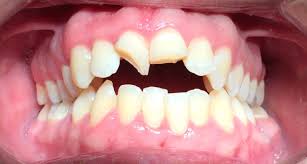
What Is Dental Trauma?
Dental trauma involves damage to the teeth, gums, or supporting structures due to sudden or accidental impacts. This can result in broken or cracked teeth, lost teeth, soft tissue injuries (gums and lips), or even fractures in the jaw. The severity of dental trauma depends on the force of the injury, the location of the damage, and the type of injury sustained.
Dental trauma can occur at any age, but it is more common in children, teenagers, and active adults who participate in sports or other high-risk activities. Prompt treatment is crucial to minimize the damage, relieve pain, and restore the appearance and function of the affected teeth.
Types of Dental Trauma?
Dental trauma can take many forms, including:
1. Tooth Fractures
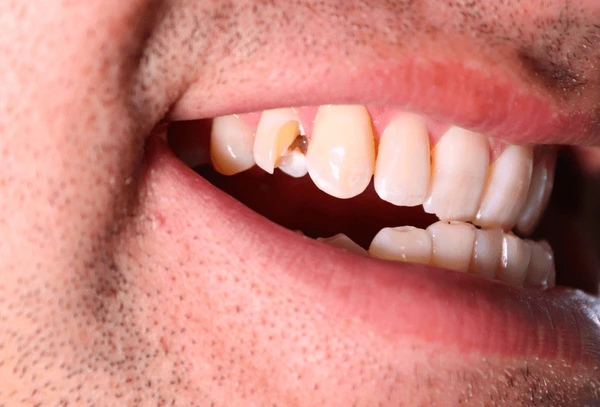
- Enamel Fracture: A minor break or chip in the outer layer of the tooth (enamel). Although this injury is typically not painful, it can lead to tooth sensitivity and cosmetic concerns.
- Dentin Fracture: A more serious break that involves the dentin layer beneath the enamel. This type of fracture may cause pain and increased tooth sensitivity.
- Pulp Exposure: A severe fracture that exposes the tooth’s pulp, where the nerves and blood vessels are located. This is a dental emergency that can lead to infection if left untreated.
2. Tooth Displacement
- Luxation: When a tooth is pushed out of its normal position but remains in the socket. This can result in a tooth being pushed inward or outward, affecting the alignment.
- Extrusion: A partial displacement where the tooth is partially removed from its socket, leaving it hanging loosely.
- Intrusion: A situation where the tooth is pushed into the jawbone, often causing significant damage to both the tooth and the surrounding structures.
3. Tooth Avulsion
- Avulsion refers to the complete displacement of a tooth from its socket. It is one of the most severe types of dental trauma and requires immediate action. If treated quickly, an avulsed tooth may be able to be replanted successfully.
4. Soft Tissue Injuries
- Injuries to the gums, lips, tongue, and cheeks are common with dental trauma. These injuries can result in cuts, bruising, or swelling, which may need stitches or other treatments to prevent infection and aid healing.
Causes and Risk Factors?
Dental trauma is commonly caused by physical forces or accidents. Some of the primary causes include:
- Falls: Accidental falls, especially in children or the elderly, are a leading cause of dental injuries.
- Sports injuries: Contact sports, such as football, basketball, and hockey, increase the risk of dental trauma due to high-impact collisions.
- Accidents and car crashes: Vehicle accidents can cause severe injuries to the face and mouth, resulting in fractured or lost teeth.
- Physical altercations: Fights or other violent encounters may result in direct blows to the mouth, leading to dental trauma.
- Biting hard objects: Biting down on hard foods or non-food objects can sometimes cause tooth fractures.
- Repetitive pressure: Habits such as bruxism (teeth grinding) can lead to wear and fractures over time.
Symptoms of Dental Trauma?
The symptoms of dental trauma depend on the severity of the injury and the type of trauma sustained. Common symptoms include:
- Pain: Immediate pain or sensitivity in the affected tooth or surrounding area. Severe trauma may cause throbbing or sharp pain.
- Swelling and bruising: Swelling in the gums, lips, or face, and visible bruising around the injury site.
- Tooth mobility: Teeth that feel loose or wobbly, especially following trauma that has displaced or moved the tooth.
- Discoloration: Teeth may change color due to fractures or internal damage to the tooth.
- Missing tooth: In the case of an avulsed tooth, the tooth may be completely absent from the socket.
- Bleeding: Soft tissue injuries may result in bleeding from the gums, lips, or cheeks.
- Difficulty chewing: Pain or discomfort when chewing or biting down on food.
Diagnosis?
To diagnose dental trauma, a dentist or emergency dental professional will perform a thorough examination and may use the following diagnostic tools:
- X-rays: Dental X-rays are essential to assess the extent of the injury, especially when it involves the tooth’s root, pulp, or surrounding bone structures.
- Physical examination: The dentist will examine the tooth and gums to check for fractures, dislocations, or any soft tissue damage.
- Pulp vitality test: If the pulp is exposed, a vitality test may be done to assess whether the tooth’s nerve is still alive.
Treatment for Dental Trauma?
Treatment for dental trauma depends on the type and severity of the injury. Some common treatment options include:
1. Tooth Fractures
- Enamel fractures: Minor chips or cracks may be treated with cosmetic bonding or dental veneers to restore the tooth’s appearance.
- Dentin fractures: These may require a filling or crown to restore the tooth’s function and prevent further damage.
- Pulp exposure: Severe fractures that expose the pulp typically require a root canal treatment to save the tooth and prevent infection.
2. Tooth Displacement
- Tooth repositioning: If the tooth has been displaced, the dentist may attempt to reposition it into its correct position. In some cases, the tooth may be splinted to surrounding teeth to stabilize it.
- Root canal therapy: If the tooth’s pulp has been damaged, a root canal may be necessary to save the tooth and prevent infection.
3. Tooth Avulsion
- Immediate action: If a tooth is completely knocked out, it is crucial to act quickly. Rinse the tooth gently (without scrubbing) and attempt to place it back into the socket. If replanting is not possible, place the tooth in a milk or saline solution until you can get to the dentist. The sooner the tooth is replanted, the better the chance of saving it.
- Root canal and splinting: An avulsed tooth may require root canal treatment and splinting to help stabilize the tooth while it reattaches to the bone.
4. Soft Tissue Injuries
- Stitches: Cuts or tears in the gums, lips, or cheeks may require stitches to close the wound and prevent infection.
- Antibiotics: If there’s a risk of infection, the dentist may prescribe antibiotics to prevent complications.
Preventing Dental Trauma?
While dental trauma is not always preventable, there are several steps you can take to reduce the risk:
- Wear protective gear: Always wear a mouthguard when playing sports, especially contact sports, to protect your teeth and gums.
- Practice good oral hygiene: Maintaining healthy teeth and gums can help make your mouth more resilient in the event of an injury.
- Be cautious: Avoid biting hard objects and take care to protect your teeth in risky situations, such as walking on slippery surfaces or engaging in physical activities.
When to See a Dentist
If you experience dental trauma, it is essential to see a dentist as soon as possible, particularly if you have lost a tooth, are in severe pain, or notice significant damage to your teeth or gums. Prompt treatment can help minimize damage, prevent infection, and improve the chances of saving the tooth.
