


What is Nuchal Cord?
Nuchal cord refers to the condition in which the umbilical cord becomes wrapped around the baby’s neck during pregnancy or delivery. It is a common occurrence and can be identified during routine ultrasounds or later during labor. While a nuchal cord can sound alarming, it often does not lead to serious complications. In most cases, babies are born healthy and without any significant issues, but the condition may require careful monitoring and management during delivery.
Causes of Nuchal Cord?
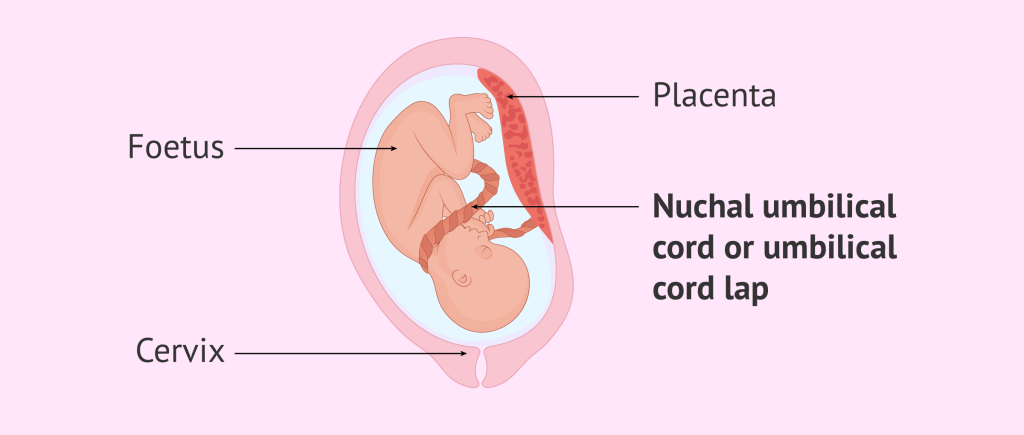
Nuchal cord occurs when the umbilical cord, which connects the baby to the placenta, becomes tangled or loops around the baby’s neck. The exact cause of nuchal cord is not fully understood, but it may be associated with several factors:
- Excessive amniotic fluid: More amniotic fluid in the womb may allow the baby to move more freely, which could increase the likelihood of the cord wrapping around the neck.
- Increased fetal movement: Babies who are more active may be more likely to coil the cord around their neck as they move.
- Long umbilical cord: A longer umbilical cord increases the chances of it looping around the baby’s neck or other parts of its body.
- Multiple pregnancies: In the case of twins or multiples, there may be more movement in the womb, increasing the likelihood of nuchal cord.
Symptoms of Nuchal Cord?
Typically, nuchal cord does not cause noticeable symptoms during pregnancy, and the condition is usually detected during an ultrasound or during labor. However, in some cases, the following signs might suggest complications associated with nuchal cord:
- Reduced fetal movement: If the umbilical cord is tightly wrapped around the neck, it could restrict the baby’s movement.
- Abnormal fetal heart rate: During labor, the presence of a nuchal cord may cause changes in the baby’s heart rate, particularly if the cord is compressed during contractions.
- Cord prolapse or cord accidents: If the cord becomes compressed during labor, it can lead to reduced blood flow and oxygen to the baby, which may be monitored carefully during delivery.
Diagnosis of Nuchal Cord?

Nuchal cord is often diagnosed via ultrasound during pregnancy. In some cases, it may not be discovered until labor when the baby’s position is assessed or when complications arise. During labor, doctors may detect changes in the baby’s heart rate or monitor fetal movements, which can raise concerns about the presence of a nuchal cord.
While the condition is generally identified through imaging, doctors may also use the following:
- Fetal heart monitoring: Continuous fetal heart rate monitoring during labor can help detect any signs of distress related to cord compression or lack of oxygen.
- Physical exam: In some cases, the doctor may assess the cord during delivery to determine its location and whether it is wrapped around the neck.
Treatment and Management of Nuchal Cord?
In most cases, nuchal cord does not require special treatment and is managed with careful monitoring. The baby is usually able to pass through the birth canal without complications, even if the cord is wrapped around the neck. However, certain situations may require medical intervention:
1. During Labor
- Fetal heart rate monitoring: Doctors will closely monitor the baby’s heart rate to detect any signs of distress caused by the cord compressing.
- Gentle handling: If the cord is wrapped around the neck during delivery, the healthcare provider may gently slip it over the baby’s head or, in rare cases, may cut the cord after birth if necessary.
2. Delivery Techniques
- Cesarean section: If the nuchal cord is tightly wrapped or if the baby is in a distressing position, a cesarean delivery may be recommended to ensure the baby’s safety.
- Assisted vaginal delivery: In some cases, the doctor may help guide the baby through the birth canal if the nuchal cord is present, without needing to resort to a cesarean section.
3. Postpartum Care
After birth, the baby will be assessed for any signs of distress or complications, including problems related to the umbilical cord. Most babies born with a nuchal cord do not experience long-term effects, but they may require extra monitoring in the hours following birth.
Risks and Complications of Nuchal Cord?
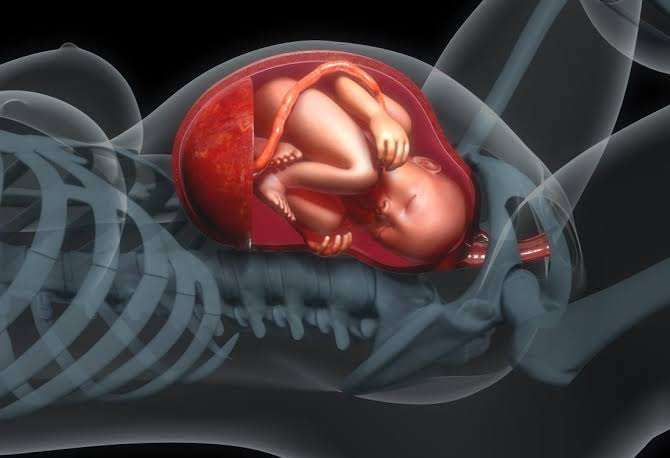
In most cases, a nuchal cord does not result in serious complications. However, there are a few risks that may arise:
- Cord compression: If the cord is tightly wrapped around the neck, it can compress during labor, which may reduce blood flow and oxygen to the baby. This can lead to fetal distress, which may require medical intervention.
- Prolonged labor: Nuchal cord can sometimes make the birth process slower or more difficult, potentially leading to complications during delivery.
- Umbilical cord accidents: Though rare, nuchal cord can lead to more severe complications, including cord prolapse or cord rupture, where the cord is exposed and at risk of injury.
Prognosis?
The prognosis for babies born with a nuchal cord is generally very good. Most babies are born healthy, with no long-term effects. In cases where there is cord compression or fetal distress, quick medical intervention can lead to a positive outcome. However, if complications arise, the baby may need extra monitoring after birth.
Prevention of Nuchal Cord?
There is no known way to prevent nuchal cord, as it is a natural occurrence during pregnancy. However, the following steps can help ensure a healthy pregnancy and monitor for potential issues:
- Regular prenatal care: Attending regular prenatal visits will help ensure the baby’s health is properly monitored, and any potential issues can be identified early.
- Ultrasounds and monitoring: Ultrasounds can sometimes detect the presence of a nuchal cord, allowing the healthcare team to prepare for the possibility during delivery.
- Monitoring fetal movements: Keeping track of fetal movement and notifying your healthcare provider if there is a noticeable decrease in movement can help catch potential problems early.
When to See a Doctor?
If you are pregnant and experience any of the following symptoms, you should contact your healthcare provider:
- Reduced fetal movement: If you notice that the baby is moving less than usual, particularly in the third trimester, it’s important to consult your doctor.
- Abnormal fetal heart rate: If your doctor detects an irregular heartbeat during labor, this could indicate potential complications with the umbilical cord.
- Signs of labor distress: Any signs of fetal distress or complications during labor should be addressed immediately.
