


What is Kabuki Make-Up Syndrome?
Kabuki Make-Up Syndrome is a rare genetic disorder that affects physical, intellectual, and developmental growth. It is named after the traditional Japanese Kabuki theater because individuals with the syndrome often have distinctive facial features that resemble Kabuki makeup. The condition impacts multiple body systems and varies in severity from person to person.
Is Kabuki Make-Up Syndrome the same as Kabuki Syndrome?
Yes, Kabuki Make-Up Syndrome is another name for Kabuki Syndrome. Both terms refer to the same condition caused by mutations in specific genes involved in development and gene regulation.
What causes Kabuki Make-Up Syndrome?
The condition is primarily caused by mutations in one of two genes:
- KMT2D gene (accounts for most cases and follows an autosomal dominant pattern)
- KDM6A gene (less common and follows an X-linked pattern)
These genes play a critical role in how other genes are turned on or off during early development.
What are the main symptoms of Kabuki Make-Up Syndrome?
The symptoms can vary, but commonly include:
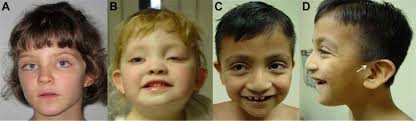
- Distinctive facial features: long eyelid openings, arched eyebrows with sparse outer edges, long eyelashes, flat nasal tip, and prominent ears
- Growth issues, including short stature
- Developmental delays and mild to moderate intellectual disability
- Low muscle tone (hypotonia)
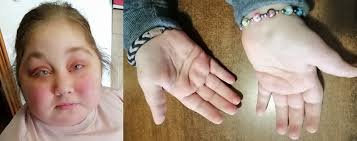
- Skeletal abnormalities, such as joint laxity or scoliosis
- Feeding problems in infancy
- Dental issues, such as missing or small teeth
- Hearing loss or frequent ear infections
- Heart defects present at birth
- Immune system dysfunction, which may lead to frequent infections
- Behavioral and learning challenges
How is Kabuki Make-Up Syndrome diagnosed?
Diagnosis is made based on physical characteristics, developmental history, and confirmed through genetic testing to detect mutations in the KMT2D or KDM6A genes.
How is the condition managed or treated?
There is no cure for Kabuki Make-Up Syndrome, but treatment focuses on supportive care and symptom management. This includes:
- Early developmental support such as physical, occupational, and speech therapy
- Educational interventions for learning difficulties
- Surgical care for heart or orthopedic issues
- Dental and hearing care
- Monitoring for immune deficiencies and managing infections
- Feeding support in infants who struggle with eating
What is the prognosis for Kabuki Make-Up Syndrome?
The outlook varies depending on individual symptoms and the presence of complications. With early intervention and ongoing support, many individuals live into adulthood and can achieve significant developmental milestones.
Can Kabuki Make-Up Syndrome be prevented?
Because it is a genetic condition that usually occurs as a new (sporadic) mutation, it cannot typically be prevented. Genetic counseling is recommended for families affected by the condition or those concerned about genetic risks.