


What is Bone Cancer?
- Bone cancer occurs when abnormal cells grow uncontrollably in the bone
- It may begin in the bone (primary bone cancer) or spread from another area (secondary bone cancer)
- The two most common types of primary bone cancer are osteosarcoma and Ewing’s sarcoma
- Most often affects children, teens, and young adults
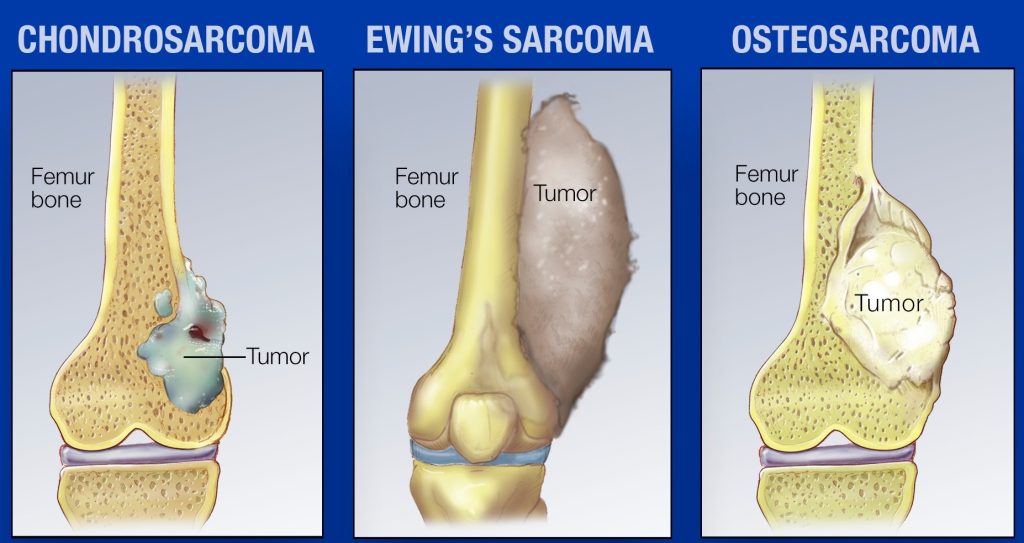
Types of Bone Cancer
Osteosarcoma
- Most common type of primary bone cancer
- Usually develops in the long bones, such as the arms or legs
- Common in teenagers and young adults
- Often starts near the ends of bones where growth is rapid
Ewing’s Sarcoma
- A rare type of bone or soft tissue cancer
- Commonly affects the pelvis, thigh, or chest wall
- Most often occurs in children and adolescents
- Known to grow and spread quickly
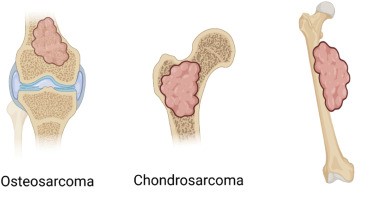
What causes Bone Cancer?
- Exact cause is unknown, but several risk factors are known
- Genetic mutations or inherited conditions
- Radiation exposure from previous cancer treatments
- Bone disorders such as Paget’s disease
- Certain inherited syndromes like Li-Fraumeni syndrome
Symptoms of Bone Cancer
- Persistent bone pain that worsens over time
- Swelling near a bone or joint
- A lump or mass in the affected area
- Bone fractures with minor injuries
- Fatigue and weight loss
- Limited movement or stiffness in joints
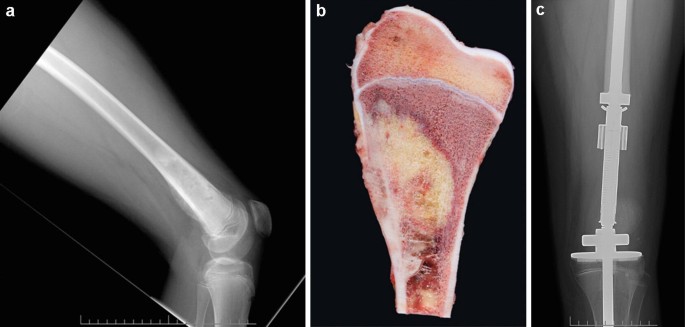
How is Bone Cancer diagnosed?
- Physical examination and review of symptoms
- Imaging tests such as X-ray, MRI, CT scan, or bone scan
- Biopsy to confirm the type and stage of cancer
- Blood tests to check for markers like alkaline phosphatase
Stages of Bone Cancer
- Staging helps determine the extent of cancer and guides treatment
- Localized: Cancer is only in the bone
- Regional: Cancer has spread to nearby tissues
- Metastatic: Cancer has spread to distant parts of the body
Treatment for Bone Cancer
Surgery
- Removes the tumor and surrounding healthy tissue
- Limb-sparing surgery is common in many cases
- Amputation may be needed in severe or advanced cases
Chemotherapy
- Uses drugs to kill cancer cells
- Often used before or after surgery
- Can shrink tumors and reduce recurrence risk
Radiation Therapy
- High-energy rays target and destroy cancer cells
- Commonly used in Ewing’s sarcoma
- May be used before surgery to shrink the tumor or after to kill remaining cells
Targeted Therapy
- Focuses on specific cancer cell genes or proteins
- Still under research and development for many bone cancers
Complications of Bone Cancer
- Spread to lungs or other organs
- Recurrence after treatment
- Bone weakness and increased fracture risk
- Side effects from treatment like nausea, fatigue, or infection
- Emotional and psychological impact
How to manage and cope with Bone Cancer?
- Regular follow-ups and imaging tests
- Physical therapy for recovery after surgery
- Pain management through medications and therapy
- Nutritional support for strength and healing
- Emotional support through counseling or support groups
When to see a doctor?
- Persistent bone pain or swelling that doesn’t go away
- Unexplained bone fractures
- Lumps or masses in bones or soft tissue
- Sudden weight loss or fatigue without reason
- If you have a family history of bone cancer or related syndromes