


What is Generalized Anxiety Disorder?
Generalized Anxiety Disorder (GAD) is a mental health condition characterized by persistent, excessive worry or anxiety about everyday life events. This worry is often out of proportion to the actual situation and can interfere with daily functioning. Unlike occasional anxiety, GAD is chronic and can last for months or even years without treatment.
People with GAD often anticipate disaster and may worry excessively about health, money, work, family, or other issues—even when there’s little or no reason to worry.

What Causes Generalized Anxiety Disorder?
The exact cause of GAD is not fully understood, but it likely results from a combination of genetic, environmental, psychological, and biological factors.
Common risk factors include:
- Family history of anxiety or other mental health disorders
- Prolonged exposure to stressful life events
- Personality traits such as perfectionism or low self-esteem
- Brain chemistry imbalance (e.g., serotonin and dopamine)
- History of trauma or abuse
- Chronic medical illnesses
- Substance abuse or withdrawal
Symptoms of Generalized Anxiety Disorder
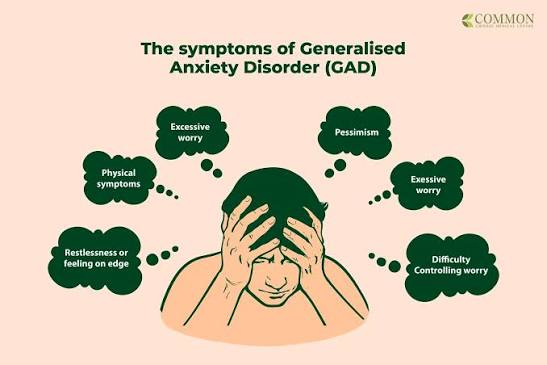
GAD symptoms vary from person to person, but they commonly include both emotional and physical signs:
Emotional and Behavioral Symptoms:
- Constant worry or anxiety about various areas of life
- Difficulty controlling worry
- Feeling restless, on edge, or keyed up
- Trouble concentrating or mind going blank
- Irritability
- Overthinking plans and solutions
- Indecisiveness and fear of making wrong choices
Physical Symptoms:
- Muscle tension or aches
- Fatigue
- Trouble sleeping (difficulty falling or staying asleep)
- Nausea or gastrointestinal issues
- Headaches
- Sweating
- Trembling or feeling jittery
How is GAD Diagnosed?
There’s no single test for GAD, but diagnosis usually involves:
- Psychological evaluation – A mental health professional will ask about symptoms, duration, and how it affects daily life.
- DSM-5 criteria – Diagnosis is based on criteria from the Diagnostic and Statistical Manual of Mental Disorders.
- Physical exam – To rule out other medical conditions that may cause anxiety-like symptoms.
- Lab tests – To check for thyroid issues or other physical health concerns.
To be diagnosed, symptoms must be present most days for at least six months and significantly interfere with daily activities.
Treatment Options for Generalized Anxiety Disorder
GAD is highly treatable, especially with a combination of therapy, medication, and lifestyle changes.
1. Psychotherapy
- Cognitive Behavioral Therapy (CBT) – The most effective therapy for GAD. Helps identify negative thought patterns and replace them with more balanced thinking.
- Acceptance and Commitment Therapy (ACT) – Helps individuals accept their anxiety rather than fight it.
- Mindfulness-based therapy – Focuses on staying present and managing stress.
2. Medications
- Antidepressants – SSRIs and SNRIs (e.g., sertraline, escitalopram, venlafaxine) are commonly prescribed.
- Anti-anxiety medications – Such as buspirone.
- Benzodiazepines – Short-term use only due to risk of dependence (e.g., lorazepam, alprazolam).
3. Lifestyle and Self-Care
- Regular physical activity (helps reduce stress and improve mood)
- Healthy, balanced diet
- Limiting caffeine and alcohol
- Good sleep hygiene
- Meditation, yoga, or breathing exercises
- Journaling or talking with a trusted friend
Complications of GAD

If untreated, GAD can lead to:
- Depression or other anxiety disorders
- Substance abuse
- Insomnia and other sleep issues
- Headaches or chronic pain
- Relationship or work problems
- Reduced quality of life
Can GAD Be Prevented?
While GAD may not be entirely preventable, you can reduce your risk or manage early symptoms by:
- Managing stress effectively
- Getting regular physical activity
- Avoiding substance abuse
- Seeking help early if symptoms of anxiety begin
- Building a strong support system
Who is at Risk for GAD?
Anyone can develop GAD, but it’s more likely in:
- Women (twice as likely as men)
- People with a family history of anxiety or depression
- Individuals exposed to long-term stress
- People with chronic illnesses
- Those who have experienced trauma or abuse
Living with Generalized Anxiety Disorder
With proper treatment and support, people with GAD can lead full and productive lives. Many find that therapy, medication, and daily self-care practices significantly reduce their symptoms over time.
Support tips:
- Stay connected with friends and family
- Join a support group for people with anxiety
- Stick with your treatment plan and follow up regularly with your healthcare provider
- Celebrate small victories and be patient with your progress
