What is Acute Mesenteric Ischemia?
Acute Mesenteric Ischemia (AMI) is a medical emergency that occurs when blood flow to the small intestine is suddenly blocked or reduced. This lack of blood supply leads to intestinal damage and, if left untreated, can cause life-threatening complications such as tissue death and sepsis.
What Causes Acute Mesenteric Ischemia?
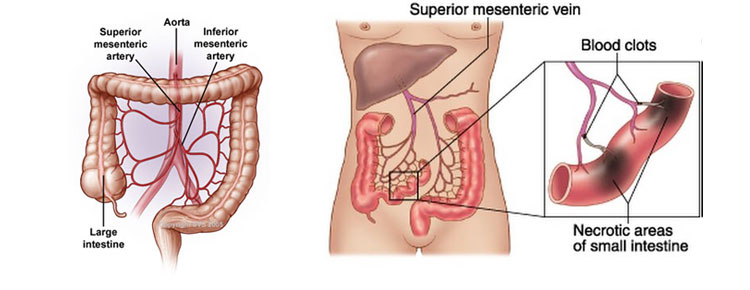
AMI is primarily caused by a sudden blockage or narrowing of the mesenteric arteries, which supply blood to the intestines. The main causes include:
- Embolism (most common cause) – A blood clot that travels from the heart to block a mesenteric artery, often linked to atrial fibrillation or heart disease.
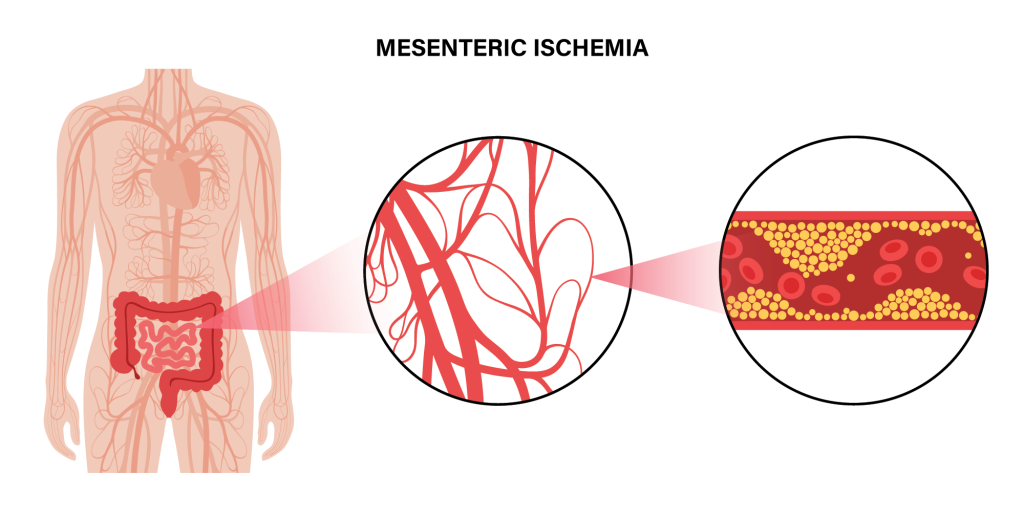
- Thrombosis – A blood clot that forms directly in the mesenteric artery due to atherosclerosis (hardening of the arteries).
- Non-occlusive Mesenteric Ischemia (NOMI) – Reduced blood flow caused by low blood pressure, heart failure, or medications that constrict blood vessels.
- Mesenteric Venous Thrombosis – A clot in the mesenteric veins, often related to clotting disorders, infections, or inflammatory conditions.
Who is at Risk?
Acute Mesenteric Ischemia is more common in:
- Adults over 60 years old
- People with atrial fibrillation or other heart diseases
- Individuals with high cholesterol or atherosclerosis
- Patients with low blood pressure or septic shock
- Those with recent major surgery or trauma
- People using vasoconstrictor medications (such as certain blood pressure drugs)
- Individuals with clotting disorders or a history of deep vein thrombosis
What Are the Symptoms of Acute Mesenteric Ischemia?
Symptoms can develop suddenly and worsen quickly. Common signs include:
- Severe abdominal pain that appears suddenly and is disproportionate to physical exam findings
- Nausea and vomiting
- Diarrhea or constipation
- Abdominal bloating or tenderness
- Blood in stool (late-stage sign)
- Fever and rapid heart rate
- Low blood pressure or signs of shock in severe cases
Since symptoms can be mistaken for other digestive issues, early diagnosis is crucial to prevent complications.
How is Acute Mesenteric Ischemia Diagnosed?
Doctors use several tests to diagnose AMI, including:
- CT Angiography – The most effective imaging test to detect blocked or narrowed arteries.
- Blood Tests – May show elevated white blood cell count and lactic acid levels, indicating tissue damage.
- X-ray or Ultrasound – Helps rule out other abdominal conditions but is not as accurate for diagnosing AMI.
- Endoscopy or Laparoscopy – In some cases, doctors may use a small camera to examine the intestines directly.
What Are the Treatment Options for Acute Mesenteric Ischemia?
Treatment depends on the cause and severity of the condition. Common approaches include:
Medications
- Anticoagulants (Blood Thinners) such as heparin to prevent or dissolve clots.
- Pain management to relieve severe discomfort.
- Antibiotics to reduce the risk of infection.
Minimally Invasive Procedures
- Angioplasty and Stenting – A catheter with a balloon is inserted to open the blocked artery, and a stent may be placed to keep it open.
- Catheter-Directed Thrombolysis – A clot-dissolving drug is delivered directly into the artery to break up the clot.
Surgical Treatments
- Embolectomy – Surgical removal of the clot.
- Bypass Surgery – Creating a new path for blood to flow around the blocked artery.
- Bowel Resection – If a part of the intestine has died due to lack of blood flow, it must be surgically removed.
What is the Prognosis for Acute Mesenteric Ischemia?
The outcome depends on how quickly treatment is started. If diagnosed early and treated promptly, the survival rate is significantly higher. However, delayed treatment increases the risk of severe complications, including intestinal necrosis, sepsis, and multiple organ failure.
Factors affecting prognosis include:
- Time between symptom onset and treatment
- Presence of underlying health conditions
- Extent of intestinal damage
Can Acute Mesenteric Ischemia Be Prevented?
While not all cases can be prevented, you can reduce your risk by:
- Managing heart disease, high blood pressure, and cholesterol
- Avoiding smoking and excessive alcohol consumption
- Exercising regularly and maintaining a healthy diet
- Taking prescribed blood thinners if at risk of clot formation