


What is Ophthalmoxerosis?
Ophthalmoxerosis is a rare eye condition characterized by the gradual deterioration of the eye’s tissues due to chronic exposure to harmful environmental factors, such as excessive UV radiation or toxic substances. It can lead to severe damage to the cornea, conjunctiva, and other ocular tissues. The term “xerosis” refers to dryness, and when combined with “ophthalmo,” it describes a state of dryness and degeneration affecting the eye, particularly in individuals exposed to extreme environmental conditions.
What causes Ophthalmoxerosis?

The primary cause of ophthalmoxerosis is prolonged exposure to irritants or adverse environmental factors that lead to dryness and degeneration of eye tissues. Key contributing factors include:
- Chronic UV Radiation Exposure: Continuous exposure to the sun’s ultraviolet rays can damage the corneal and conjunctival tissues over time.
- Environmental Toxins: Pollution, chemicals, or industrial fumes can dry out and irritate the surface of the eye, leading to chronic inflammation and damage.
- Dry Air and Wind: Prolonged exposure to dry or windy environments can lead to insufficient tear production, exacerbating dryness and irritation.
- Age-Related Changes: As individuals age, natural tear production decreases, which can contribute to the development of xerosis and increase the risk of ophthalmoxerosis.
- Eye Conditions: Diseases like blepharitis, keratoconjunctivitis, or other ocular surface diseases can impair tear production, leading to dryness and tissue deterioration.
- Use of Certain Medications: Some medications, such as antihistamines or diuretics, can reduce tear production and contribute to the condition.
What are the symptoms of Ophthalmoxerosis?
Symptoms of ophthalmoxerosis primarily stem from the dryness and degeneration of eye tissues. These symptoms can be progressive and may include:
- Dryness and Gritty Sensation: A feeling of dryness, as though there is something gritty in the eye.
- Redness and Irritation: The eye may appear red and inflamed due to insufficient moisture and chronic irritation.
- Burning or Stinging: A burning sensation in the eyes, especially in dry or windy environments.
- Blurred Vision: When the surface of the eye is damaged, vision can become blurred or hazy.
- Tearing: Paradoxically, excessive tearing may occur as the eye attempts to compensate for dryness.
- Sensitivity to Light (Photophobia): Light may cause discomfort due to inflammation of the cornea and conjunctiva.
- Eye Fatigue: Prolonged visual tasks may lead to tired or strained eyes.
- Pain or Discomfort: In severe cases, the affected individual may experience significant eye pain due to tissue damage.
How is Ophthalmoxerosis diagnosed?
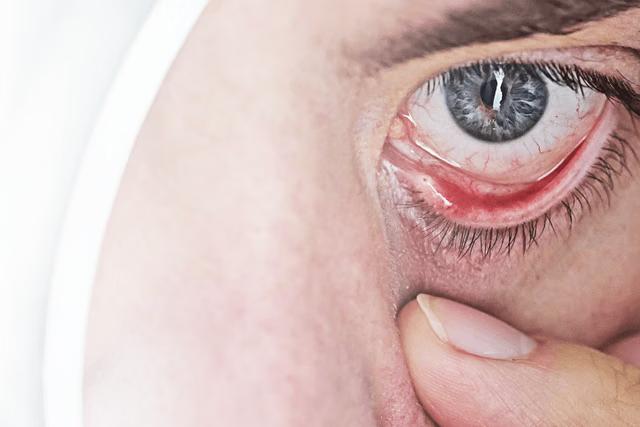
Ophthalmoxerosis is diagnosed through a comprehensive eye examination and assessment of symptoms. Diagnostic methods may include:
- Slit-Lamp Examination: A high-powered microscope that allows the eye doctor to examine the surface of the eye for signs of dryness, irritation, and damage to the tissues.
- Tear Film Break-Up Time (TBUT): This test measures how long the tear film remains stable on the surface of the eye before breaking up, indicating dry eye.
- Osmolarity Testing: Tests for changes in tear film osmolarity, which can indicate dry eye conditions associated with ophthalmoxerosis.
- Conjunctival Staining: Fluorescein or rose bengal dye is applied to the surface of the eye to highlight areas of damage or dryness.
- Assessment of Environmental Factors: A review of the patient’s environment and lifestyle (e.g., occupation, exposure to sunlight or chemicals) to identify contributing causes.
- Medical History Review: Understanding any underlying eye conditions or medications that may exacerbate dryness and irritation.
What are the treatment options for Ophthalmoxerosis?
Treatment for ophthalmoxerosis focuses on relieving dryness, reducing inflammation, and protecting the eye from further damage. Common treatment options include:
- Artificial Tears: Lubricating eye drops or gels to relieve dryness and provide moisture to the eye.
- Anti-Inflammatory Medications: Corticosteroid eye drops or nonsteroidal anti-inflammatory drugs (NSAIDs) to reduce inflammation and irritation.
- Punctal Plugs: Small devices inserted into the tear ducts to prevent tears from draining too quickly and to retain moisture in the eyes.
- Surgical Treatment: In advanced cases, surgery may be required to address damaged tissues or correct structural issues caused by the condition.
- Environmental Modifications: Reducing exposure to dry, windy, or polluted environments by using humidifiers or wearing protective eyewear.
- Increased Tear Production: Medications like cyclosporine A (Restasis) can be prescribed to increase tear production and improve ocular surface health.
- Lifestyle Adjustments: Reducing screen time or taking breaks from visual tasks to minimize eye strain and fatigue.
- Protection from UV Radiation: Wearing UV-blocking sunglasses or hats to shield the eyes from excessive sun exposure.
What is the prognosis for Ophthalmoxerosis?

The prognosis for ophthalmoxerosis varies depending on the severity of the condition and the effectiveness of treatment. With proper management, many individuals can find relief from symptoms and maintain good eye health. However, if left untreated, the condition can lead to significant eye damage, including corneal ulcers, scarring, or even vision loss.
Can Ophthalmoxerosis be prevented?
Preventing ophthalmoxerosis involves reducing risk factors and managing environmental exposures. Some preventive measures include:
- Protecting the Eyes from UV Radiation: Wearing UV-blocking sunglasses and hats when outdoors.
- Using Artificial Tears Regularly: Lubricating the eyes frequently in dry or windy environments to prevent dryness.
- Avoiding Toxins: Minimizing exposure to harmful chemicals or pollutants, especially in industrial or outdoor settings.
- Maintaining a Humidified Environment: Using humidifiers in dry climates to keep the air moist.
- Taking Breaks: Reducing screen time or taking regular breaks to rest the eyes and prevent strain.
- Staying Hydrated: Drinking plenty of water to support overall eye health and tear production.
How can individuals cope with Ophthalmoxerosis?
Coping with ophthalmoxerosis involves both managing symptoms and avoiding further damage to the eyes. Some tips for managing the condition include:
- Adhering to Treatment: Follow the prescribed treatment plan, including the use of lubricating drops and medications.
- Protecting the Eyes from Harsh Environments: Wear protective eyewear in windy, dry, or sunny conditions.
- Maintaining Good Eye Hygiene: Regularly clean the eyes and use artificial tears as needed.
- Stay on Top of Eye Care: Schedule regular eye check-ups to monitor the condition and adjust treatment as necessary.
- Managing Environmental Factors: Use air purifiers and humidifiers, especially in dry or polluted environments.
