


What is Agenesis of the Lung?
Agenesis of the lung is a rare congenital condition where one or both lungs fail to develop properly during fetal growth. It can occur unilaterally (one lung missing) or bilaterally (both lungs missing, which is fatal at birth). This condition is usually associated with other congenital abnormalities affecting the heart, gastrointestinal tract, and skeletal system.
Unilateral lung agenesis is rare, occurring in approximately 1 in 15,000 births, and is more commonly seen in the left lung than the right. Many individuals with a single lung can live relatively normal lives, while others experience respiratory difficulties.
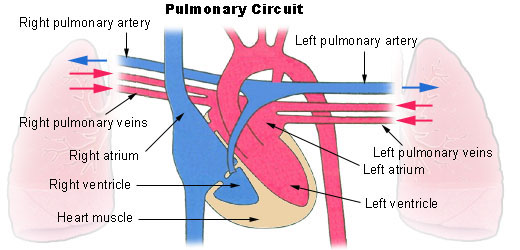
What Causes Agenesis of the Lung?
The exact cause is unknown, but lung agenesis occurs due to disruptions in fetal development during early pregnancy. Possible contributing factors include:
✔ Genetic Mutations – Some cases are linked to inherited or spontaneous genetic defects.
✔ Environmental Factors – Exposure to toxins, infections, or maternal smoking during pregnancy.
✔ Fetal Vascular Disruptions – Blood supply problems affecting lung formation.
✔ Chromosomal Abnormalities – Often seen in conditions like Trisomy 18 and VACTERL association (a disorder affecting multiple organs).
Who is at Risk for Lung Agenesis?
✔ Infants with a family history of congenital anomalies.
✔ Babies exposed to harmful substances in utero.
✔ Individuals with other congenital disorders, particularly heart and skeletal defects.
What Are the Symptoms of Agenesis of the Lung?
Symptoms depend on whether one or both lungs are affected and whether other abnormalities are present. Some individuals with one functioning lung remain asymptomatic, while others experience breathing difficulties.
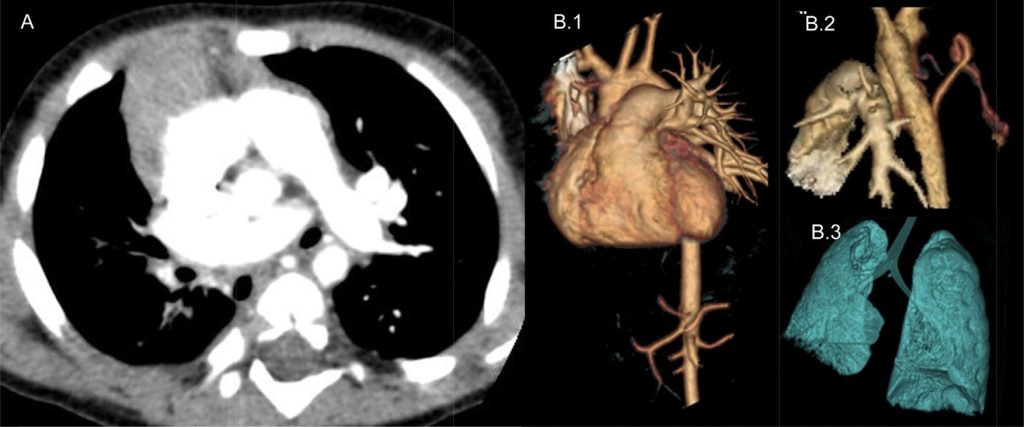
Common Symptoms of Unilateral Lung Agenesis:
✔ Shortness of Breath (Dyspnea) – Especially during physical activity.
✔ Frequent Respiratory Infections – Increased risk of pneumonia and bronchitis.
✔ Cyanosis (Bluish Skin or Lips) – Due to low oxygen levels.
✔ Chest Asymmetry – One side of the chest may appear smaller or underdeveloped.
✔ Wheezing or Stridor – Noisy breathing due to airway narrowing.
✔ Difficulty Gaining Weight – In infants with severe cases.
Severe Cases or Bilateral Agenesis:
✔ Bilateral lung agenesis is not compatible with life, and affected infants do not survive after birth.
✔ Severe respiratory distress is seen in cases where lung underdevelopment (hypoplasia) occurs instead of complete agenesis.
How is Agenesis of the Lung Diagnosed?
Diagnosis is often made during infancy or childhood, but some cases are only discovered incidentally in adults through imaging tests.
✔ Prenatal Ultrasound – May detect lung abnormalities before birth.
✔ Chest X-Ray – Shows absence of a lung and shifting of organs.
✔ CT Scan or MRI – Provides detailed imaging of the chest and confirms lung absence.
✔ Bronchoscopy – A small camera inserted into the airway can help evaluate lung structures.
✔ Echocardiogram – Checks for associated heart defects.
✔ Genetic Testing – May help identify syndromic cases.
What Are the Treatment Options for Agenesis of the Lung?
There is no cure for lung agenesis, but treatment focuses on managing symptoms and improving lung function.
✔ Oxygen Therapy – Helps individuals with breathing difficulties.
✔ Pulmonary Rehabilitation – Breathing exercises to improve lung efficiency.
✔ Medications – Bronchodilators and antibiotics to treat infections.
✔ Physical Therapy – Helps improve respiratory strength.
✔ Surgical Interventions – May be needed if airway abnormalities are present.
✔ Lung Transplant (Rare Cases) – Considered for severe lung failure.
What is the Prognosis for Agenesis of the Lung?
✔ Mild Cases – Many individuals with one functioning lung lead normal, active lives.
✔ Severe Cases – May require long-term respiratory support.
✔ Early diagnosis and supportive care improve survival and quality of life.
Can Agenesis of the Lung Be Prevented?
Since it is a congenital condition, there is no known way to prevent it, but pregnant women can lower risks by:
✔ Avoiding smoking, alcohol, and harmful substances.
✔ Maintaining proper prenatal care.
✔ Preventing infections during pregnancy.