What is Testicular Microlithiasis?
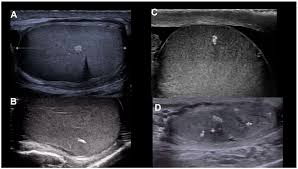
Testicular microlithiasis (TM) is a condition where tiny calcium deposits form within the testicles. These small calcifications are usually found incidentally during an ultrasound and often do not cause symptoms.
What Causes Testicular Microlithiasis?
The exact cause of TM is unknown, but it may be associated with:
- Abnormalities in testicular tissue.
- Genetic factors.
- Previous testicular injury or inflammation.
- Conditions such as cryptorchidism (undescended testicles) or infertility.
- Rarely linked to testicular cancer.

What Are the Symptoms of Testicular Microlithiasis?
Most people with TM do not have symptoms. Occasionally, symptoms may include:
- A feeling of heaviness or discomfort in the testicle.
- Palpable lumps (though rare).
- Usually, TM is discovered during imaging for other reasons.
How is Testicular Microlithiasis Diagnosed?
Diagnosis is made through:
- Scrotal ultrasound, which shows multiple small bright spots (microliths) within the testicular tissue.
- Physical examination to check for lumps or abnormalities.
- Further evaluation if risk factors for testicular cancer are present.
How is Testicular Microlithiasis Treated?
There is no specific treatment for TM itself as it is often benign. Management includes:
- Regular follow-up with testicular ultrasound, especially if risk factors for cancer exist.
- Self-examination of the testicles to detect any new lumps or changes.
- Immediate medical evaluation if any symptoms such as lumps, pain, or swelling develop.
- Addressing any associated conditions like infertility or infections if present.
Can Testicular Microlithiasis Be Prevented?
Since the cause is not fully understood, there is no known way to prevent TM. However:
- Regular testicular self-exams may help early detection of any abnormalities.
- Seeking prompt medical attention for any testicular symptoms is important.
When Should You See a Doctor?
See a healthcare provider if you notice:
- A lump or swelling in the testicle.
- Pain or discomfort in the testicular area.
- Changes in size or shape of the testicles.
- Any concerns during routine self-examination.
- TM found on ultrasound along with risk factors like family history of testicular cancer.