


What Is Retinal Artery Occlusion?
Retinal Artery Occlusion (RAO) is a sudden blockage of the arteries supplying blood to the retina, the light-sensitive tissue at the back of the eye. This blockage causes a sudden, painless loss of vision in the affected eye and is considered an ocular emergency.
What Causes Retinal Artery Occlusion?
- Embolism (blood clot or plaque) blocking the retinal artery
- Thrombosis (blood clot forming in the artery)
- Atherosclerosis (narrowing of arteries due to plaque buildup)
- Inflammation of blood vessels (vasculitis)
- Rare causes include trauma, carotid artery disease, or heart disorders
- Risk factors include high blood pressure, diabetes, smoking, and high cholesterol
What Are the Symptoms of Retinal Artery Occlusion?
- Sudden, painless vision loss in one eye
- Partial or complete loss of the visual field depending on the location of the blockage
- Visual disturbances such as blurred vision or “curtain” over vision
- No associated eye pain
How Is Retinal Artery Occlusion Diagnosed?
- Detailed eye examination by an ophthalmologist
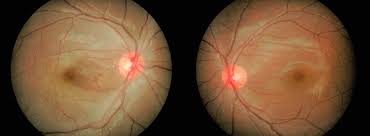
- Fundus examination showing a pale retina with a “cherry-red spot” at the macula
- Fluorescein angiography to assess blood flow in retinal vessels
- Optical coherence tomography (OCT) to evaluate retinal layers
- Evaluation for underlying causes including cardiovascular and blood tests
What Are the Treatment Options for Retinal Artery Occlusion?
- Immediate efforts to restore blood flow such as ocular massage or lowering intraocular pressure
- Breathing into a paper bag to increase carbon dioxide and dilate arteries (temporary measure)
- Medications to reduce intraocular pressure
- Treatment of underlying risk factors like hypertension, diabetes, and cholesterol
- In some cases, anticoagulants or thrombolytic therapy may be considered
- Long-term follow-up to prevent further vascular events
Can Retinal Artery Occlusion Cause Complications?
- Permanent vision loss or blindness in the affected eye
- Secondary glaucoma due to increased eye pressure
- Increased risk of stroke or cardiovascular events
- Emotional and functional impairment due to vision loss
How Can Retinal Artery Occlusion Be Prevented?
- Managing risk factors such as high blood pressure, diabetes, and high cholesterol
- Avoiding smoking and maintaining a healthy lifestyle
- Regular eye examinations for people at risk
- Prompt treatment of cardiovascular diseases
- Monitoring and controlling blood clotting disorders