What is Primary Progressive Aphasia?
Primary Progressive Aphasia (PPA) is a neurological syndrome characterized by a gradual decline in language abilities. It primarily affects speech and language skills while other cognitive functions remain relatively preserved in the early stages. PPA is caused by progressive damage to the parts of the brain responsible for language.
What causes Primary Progressive Aphasia?
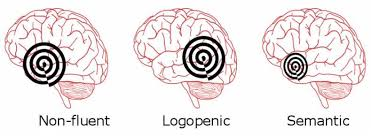
PPA is caused by neurodegenerative diseases that affect the brain’s language centers, including:
- Frontotemporal lobar degeneration (FTLD)
- Alzheimer’s disease pathology in some cases
- Other rare brain disorders leading to progressive neuronal loss
The exact cause of this degeneration is not fully understood but involves abnormal protein accumulations in the brain.
What are the symptoms of Primary Progressive Aphasia?
Symptoms typically develop gradually and include:
- Difficulty finding words (anomia)
- Trouble speaking or forming sentences
- Problems understanding spoken or written language
- Difficulty naming objects or people
- Speech that is slow, halting, or effortful
- Preservation of memory and other cognitive skills early on
As the disease progresses, language difficulties worsen and may be accompanied by other cognitive impairments.
How is Primary Progressive Aphasia diagnosed?
Diagnosis involves:
- Detailed medical history and neurological examination
- Speech and language evaluation by a specialist
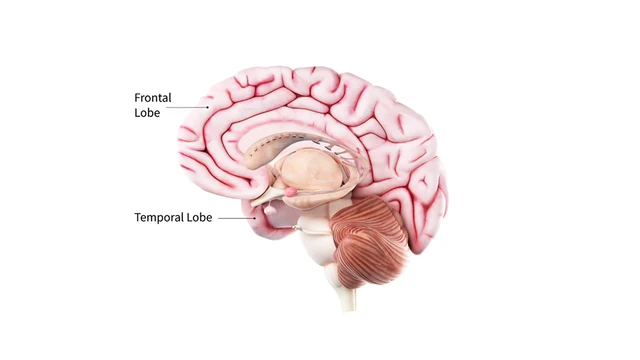
- Brain imaging studies such as MRI or PET scans to identify areas of atrophy
- Neuropsychological testing to assess language and cognitive functions
- Ruling out other causes of aphasia such as stroke or brain injury
What are the treatment options for Primary Progressive Aphasia?
There is no cure for PPA, but treatments focus on managing symptoms and improving quality of life:
- Speech and language therapy to help maintain communication skills
- Use of alternative communication methods like communication boards or apps
- Medications may be prescribed to manage associated symptoms such as depression or anxiety
- Supportive care and counseling for patients and caregivers
What is the prognosis for Primary Progressive Aphasia?
PPA is a progressive condition, meaning language abilities decline over time. The rate of progression varies between individuals. Eventually, other cognitive and motor functions may be affected, leading to more widespread dementia.
How can Primary Progressive Aphasia be managed long-term?
Long-term management includes:
- Ongoing speech therapy and communication support
- Regular neurological and psychological evaluations
- Support groups and counseling for patients and families
- Planning for future care needs and advance directives