


What Is a Cerebrovascular Accident (Stroke)?
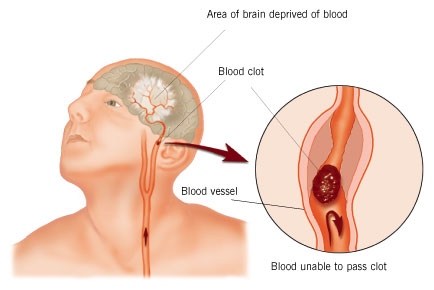
A Cerebrovascular Accident (CVA), commonly known as a stroke, occurs when the blood flow to a part of the brain is interrupted, leading to the death or damage of brain cells. Strokes are medical emergencies that require immediate attention to prevent permanent brain damage or death. There are two main types of strokes:
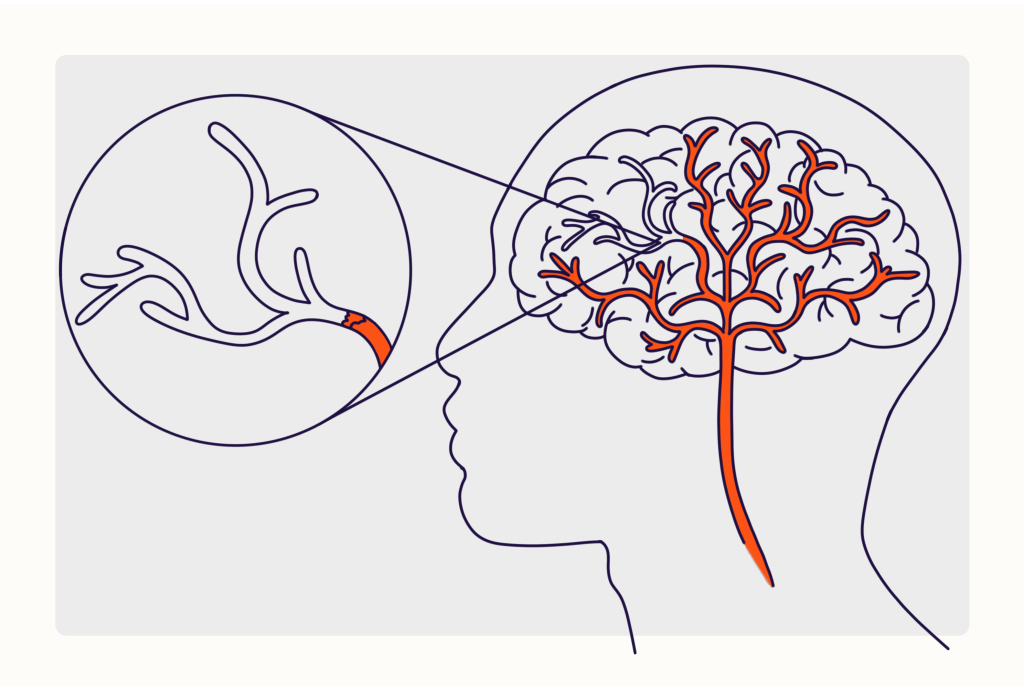
- Ischemic Stroke: This occurs when a blood clot or a narrowing of the blood vessels blocks blood flow to the brain.
- Hemorrhagic Stroke: This occurs when a blood vessel in the brain bursts, leading to bleeding (hemorrhage) in or around the brain.
Both types of strokes disrupt normal brain function, potentially leading to long-term disabilities or death if not treated promptly.
What Causes a Cerebrovascular Accident (Stroke)?
Strokes are caused by various factors that interfere with the normal blood flow to the brain. The two main causes are:
- Ischemic Stroke: This is the most common type, accounting for about 85% of strokes. It happens when a blood clot or plaque buildup in the arteries reduces blood flow to the brain. The clot can form due to:
- Atherosclerosis: A condition where fatty deposits (plaques) accumulate in the arteries, narrowing and hardening them.
- Embolism: A clot or other substance that travels from another part of the body, such as the heart, to the brain.
- Hemorrhagic Stroke: This occurs when a blood vessel in the brain bursts, causing bleeding. Hemorrhagic strokes are often caused by:
- Aneurysms: Weak spots in blood vessel walls that can rupture and cause bleeding.
- Arteriovenous malformations (AVMs): Abnormal tangles of blood vessels that can rupture.
- High blood pressure (Hypertension): Chronic high blood pressure can weaken blood vessel walls, increasing the risk of a hemorrhagic stroke.
Other risk factors contributing to strokes include smoking, diabetes, heart disease, high cholesterol, and certain genetic conditions.
What Are the Symptoms of a Cerebrovascular Accident (Stroke)?
Stroke symptoms vary depending on the type of stroke, the part of the brain affected, and the severity of the damage. Common signs and symptoms include:
- Sudden numbness or weakness in the face, arm, or leg, especially on one side of the body.
- Sudden confusion, difficulty speaking, or understanding speech.
- Sudden trouble seeing in one or both eyes.
- Sudden trouble walking, dizziness, loss of balance, or lack of coordination.
- Severe headache with no known cause, which is more common in hemorrhagic strokes.
In cases of stroke, immediate medical attention is crucial. Time is brain, and quicker treatment can significantly reduce the extent of brain damage.
How Is a Cerebrovascular Accident (Stroke) Diagnosed?
Diagnosing a stroke involves a combination of medical history, physical examination, and imaging tests. Common diagnostic methods include:
- Physical and Neurological Exam: A healthcare provider will evaluate symptoms, reflexes, coordination, and mental status.
- CT Scan (Computed Tomography): A CT scan can help identify the type of stroke (ischemic or hemorrhagic) and rule out other conditions.
- MRI (Magnetic Resonance Imaging): An MRI provides detailed images of the brain and can detect ischemic damage and bleeding.
- Carotid Ultrasound: This test uses sound waves to detect blockages in the carotid arteries, which can increase the risk of ischemic stroke.
- Angiography: This imaging test provides a detailed view of the blood vessels in the brain, helping to identify abnormalities like aneurysms or blockages.
- Blood Tests: Blood tests can help identify risk factors like high cholesterol or clotting disorders.
How Is a Cerebrovascular Accident (Stroke) Treated?
Treatment for a stroke depends on the type of stroke and how quickly medical intervention occurs. Key treatment options include:
- Ischemic Stroke:
- Thrombolytics (Clot-busting drugs): Medications like tissue plasminogen activator (tPA) can dissolve blood clots if administered within a few hours of symptom onset.
- Mechanical Thrombectomy: In some cases, a catheter can be used to remove the clot from the brain’s blood vessels.
- Antiplatelet and Anticoagulant Medications: These drugs, such as aspirin, help prevent further clots from forming.
- Surgical Intervention: In some cases, surgery may be required to remove blockages or repair narrowed arteries.
- Hemorrhagic Stroke:
- Surgery: If an aneurysm or AVM is causing the hemorrhage, surgery may be required to repair or remove the abnormal blood vessels.
- Coiling or Clipping: These procedures are used to seal off an aneurysm and prevent further bleeding.
- Blood Pressure Management: Controlling high blood pressure is essential to prevent further bleeding and reduce damage.
- Medications: Medications may be prescribed to control bleeding, reduce swelling in the brain, and manage seizures.
- Rehabilitation: After immediate treatment, many stroke survivors require rehabilitation to help regain lost abilities and improve quality of life. Rehabilitation may include:
- Physical therapy: To improve strength, coordination, and mobility.
- Speech therapy: To help with communication and swallowing difficulties.
- Occupational therapy: To assist in performing daily tasks and improving independence.
What Are the Risk Factors for a Cerebrovascular Accident (Stroke)?
There are several risk factors that increase the likelihood of having a stroke, including:
- High blood pressure (Hypertension): The leading cause of both ischemic and hemorrhagic strokes.
- Atherosclerosis: Hardening and narrowing of the arteries due to fatty deposits.
- Heart disease: Conditions like atrial fibrillation, which can lead to clot formation.
- Diabetes: Increases the risk of stroke due to damage to blood vessels and nerves.
- Smoking: Smoking damages blood vessels and increases the risk of both types of stroke.
- Excessive alcohol consumption: High alcohol intake can increase blood pressure and risk of stroke.
- Obesity and poor diet: A high-fat, low-fiber diet can lead to atherosclerosis and increase stroke risk.
- Age: The risk of stroke increases with age, particularly after 55.
- Family history: A family history of stroke or heart disease increases the risk.
- Physical inactivity: Sedentary lifestyle contributes to high blood pressure and other stroke risk factors.
What Is the Prognosis for a Cerebrovascular Accident (Stroke)?
The prognosis for stroke patients varies depending on the type of stroke, the time to treatment, and the severity of brain damage. Many people recover significantly with early treatment and rehabilitation, especially if the stroke is diagnosed and treated within a few hours.
However, some stroke survivors may face long-term disabilities, such as paralysis, speech problems, memory loss, and difficulty with coordination. Early intervention is critical to improving outcomes and reducing the risk of permanent damage.
Can a Cerebrovascular Accident (Stroke) Be Prevented?
While not all strokes can be prevented, there are several steps individuals can take to reduce their risk:
- Control high blood pressure: Regular monitoring and treatment for high blood pressure can significantly reduce the risk of stroke.
- Maintain a healthy lifestyle: Eating a balanced diet, exercising regularly, and maintaining a healthy weight can reduce stroke risk.
- Quit smoking: Avoiding tobacco products significantly reduces the risk of stroke.
- Limit alcohol consumption: Moderating alcohol intake can help reduce the risk of stroke.
- Manage diabetes: Proper control of blood sugar levels reduces the risk of stroke in people with diabetes.
- Regular checkups: Regular medical checkups can help identify risk factors early and allow for prompt intervention.
Conclusion: What Should You Know About a Cerebrovascular Accident (Stroke)?
A stroke is a serious medical condition that occurs when blood flow to the brain is disrupted. It can have severe consequences, but early diagnosis and treatment can improve outcomes. Understanding the causes, symptoms, risk factors, and treatment options for stroke is vital for prevention and management. If you or someone you know is at risk for stroke, taking proactive steps to maintain heart health and reduce risk factors can significantly lower the chances of a cerebrovascular accident.
