


What is Noonan Syndrome?
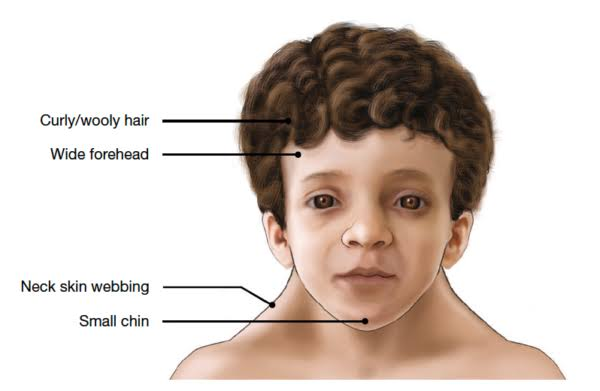
Noonan Syndrome is a genetic disorder that affects normal development in various parts of the body. It can cause distinctive facial features, short stature, heart defects, developmental delays, and other physical and health issues. It occurs in both males and females and may be diagnosed at birth or during early childhood. The condition varies widely in severity among individuals.
Causes of Noonan Syndrome
Noonan Syndrome is caused by mutations in specific genes involved in cell growth and development, most commonly:
- PTPN11 (most common)
- SOS1
- RAF1
- KRAS
These genes are part of a signaling pathway known as the RAS/MAPK pathway, which plays a role in cell division and differentiation. The condition is inherited in an autosomal dominant pattern, meaning only one copy of the mutated gene is enough to cause the syndrome. However, many cases result from new (sporadic) mutations without a family history.
Who is at Risk?
- Children with a family history of Noonan Syndrome
- Children born to a parent with the syndrome (each child has a 50% chance of inheriting it)
Symptoms of Noonan Syndrome
The symptoms can vary but often include a combination of the following:
Facial Features:
- Wide-set, downward-slanting eyes
- Drooping eyelids (ptosis)
- Low-set, rotated ears
- Broad forehead
- Deep groove between the nose and mouth
Growth and Development:
- Short stature
- Delayed puberty
- Feeding problems in infancy
- Poor weight gain or failure to thrive
- Developmental delays or learning difficulties (often mild)
Heart Defects:
- Pulmonary valve stenosis (most common)
- Hypertrophic cardiomyopathy
- Atrial septal defect (ASD)
Musculoskeletal Issues:
- Chest deformities (sunken or raised chest)
- Scoliosis
- Joint hypermobility
Other Features:
- Bleeding or clotting problems (easy bruising, nosebleeds)
- Lymphatic abnormalities (swelling in the hands/feet)
- Cryptorchidism (undescended testicles in males)
- Eye and hearing problems
- Kidney abnormalities
Diagnosis of Noonan Syndrome
Diagnosis may involve:
- Physical examination – Recognizing typical physical traits
- Family and medical history
- Genetic testing – To confirm mutations in known genes
- Echocardiogram and ECG – To evaluate heart structure and rhythm
- Developmental assessments – For speech, learning, and motor skills
Treatment of Noonan Syndrome
There is no cure for Noonan Syndrome, but treatment focuses on managing symptoms and improving quality of life. A multidisciplinary team is often involved.
Possible Treatments Include:
- Heart treatment – Medications or surgery for heart defects
- Growth hormone therapy – For children with short stature
- Physical, speech, and occupational therapy – To address developmental delays
- Educational support – For learning difficulties
- Surgery – For undescended testes or orthopedic issues
- Regular hearing and vision checks
- Bleeding disorder management – May include avoiding certain medications and planning for surgery with caution
Prognosis
With proper medical care and developmental support, most individuals with Noonan Syndrome can lead fulfilling lives. Lifespan is generally normal unless serious heart defects are present. Early diagnosis and treatment can help manage complications more effectively.
When to See a Doctor
Seek medical evaluation if a child has:
- Unusual facial features and poor growth
- Heart murmurs or breathing issues
- Delays in motor or speech development
- Family history of Noonan Syndrome or similar symptoms
