What Is a Kidney Infection (Pyelonephritis)?
Pyelonephritis is a type of urinary tract infection (UTI) that occurs when bacteria or viruses enter the kidneys, causing inflammation and infection. It is a serious condition that can damage kidney tissues if left untreated. Pyelonephritis typically starts in the lower urinary tract, such as the bladder, before spreading to the kidneys. It can be acute or chronic, with the acute form being more common.

What Are the Causes of Kidney Infection (Pyelonephritis)?
Bacterial Infection
The most common cause of pyelonephritis is a bacterial infection, typically caused by Escherichia coli (E. coli), which normally lives in the intestines but can enter the urinary tract and travel to the kidneys.
Urinary Tract Obstructions
Blockages in the urinary tract, such as kidney stones, an enlarged prostate, or structural abnormalities, can hinder normal urine flow, increasing the risk of infection.
Recurrent UTIs
Individuals who experience frequent urinary tract infections are at higher risk of developing kidney infections.
Weakened Immune System
People with weakened immune systems due to conditions like diabetes, HIV/AIDS, or medications that suppress immunity are more susceptible to kidney infections.
Catheter Use
The use of urinary catheters, which are tubes inserted into the bladder to drain urine, can introduce bacteria into the urinary tract and increase the risk of infection.
Pregnancy
Pregnant women are at higher risk of kidney infections due to changes in the urinary tract and pressure on the bladder.
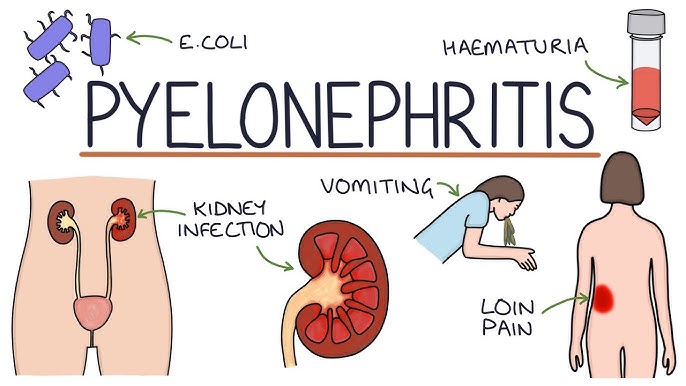
What Are the Symptoms of Kidney Infection (Pyelonephritis)?
Fever and Chills
A sudden onset of high fever, often accompanied by chills, is a common symptom of kidney infection.
Pain in the Back, Side, or Abdomen
Pain or tenderness in the lower back, sides, or abdomen may occur, often indicating that the infection has reached the kidneys.
Painful Urination
A burning sensation during urination, along with the frequent urge to urinate, is typical of a urinary tract infection that has spread to the kidneys.
Nausea and Vomiting
The infection may lead to gastrointestinal symptoms such as nausea and vomiting.
Cloudy or Foul-Smelling Urine
The urine may appear cloudy or have a strong, unpleasant odor due to the presence of bacteria and white blood cells.
Blood in the Urine
In some cases, pyelonephritis can cause hematuria (blood in the urine), which may be visible or detected through a urine test.
Fatigue and Malaise
A general feeling of fatigue, weakness, or discomfort is common during a kidney infection.
How Is Kidney Infection (Pyelonephritis) Diagnosed?
Urine Culture
A urine culture is typically performed to identify the bacteria causing the infection and determine the appropriate antibiotic for treatment.
Urinalysis
A urinalysis test can detect the presence of white blood cells, red blood cells, bacteria, and protein in the urine, all of which are indicators of an infection.
Blood Tests
Blood tests, including complete blood count (CBC), can help assess the body’s response to infection and determine if the infection has spread beyond the kidneys.
Imaging Tests
Ultrasound or a CT scan may be used to check for abnormalities such as kidney stones, abscesses, or obstructions that could contribute to the infection.
Kidney Biopsy (Rarely)
In rare cases, if the infection is severe or resistant to treatment, a kidney biopsy may be performed to examine kidney tissue and determine the extent of damage.
How Is Kidney Infection (Pyelonephritis) Treated?
Antibiotics
The primary treatment for pyelonephritis is a course of antibiotics to eliminate the bacterial infection. Oral antibiotics are usually prescribed for mild cases, but intravenous antibiotics may be required for severe or complicated infections.
Hospitalization
Severe cases of pyelonephritis may require hospitalization, especially if the patient is unable to keep food or fluids down, if they are pregnant, or if complications like kidney abscesses or sepsis develop.
Pain Management
Over-the-counter pain relievers such as acetaminophen or ibuprofen may be recommended to alleviate pain and reduce fever. In some cases, stronger pain medications may be needed.
Hydration
Drinking plenty of fluids helps flush bacteria out of the urinary tract and aids in the healing process.
Surgery (In Rare Cases)
In rare instances, surgery may be required to treat complications such as kidney abscesses, blockages, or structural abnormalities that prevent proper drainage of urine.
How Can Kidney Infection (Pyelonephritis) Be Prevented?
Proper Hygiene
Maintaining good personal hygiene, especially wiping from front to back after using the toilet, can help prevent the spread of bacteria from the rectum to the urinary tract.
Stay Hydrated
Drinking plenty of water helps flush bacteria out of the urinary system, reducing the risk of infection.
Urinate Frequently
Avoid holding urine for long periods of time, as this can increase the risk of bacteria multiplying in the urinary tract.
Urinary Tract Infection (UTI) Prevention
For those with a history of recurrent UTIs, preventive measures such as low-dose antibiotics, cranberry supplements, or topical estrogen therapy (for postmenopausal women) may be recommended to reduce the risk of infection.
Proper Catheter Care
If you use a urinary catheter, it’s essential to follow proper hygiene practices to minimize the risk of infection.
Treat Underlying Conditions
Managing conditions like diabetes and ensuring that they are well-controlled can help reduce the risk of infections, including kidney infections.