


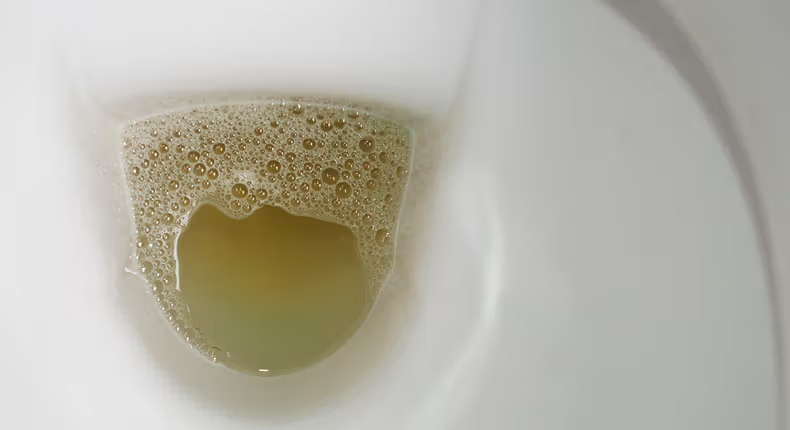
What is foamy urine?
Foamy urine refers to urine that appears bubbly or frothy when it’s passed into the toilet. While occasional foaminess can be harmless and caused by the speed or force of urination, persistent or frequent foamy urine may be a sign of an underlying health issue—particularly related to the kidneys or urinary system.

Is foamy urine normal?
It can be normal once in a while, especially if:
- You’re dehydrated
- You urinate with strong force
- You haven’t urinated for a long time
- There are cleaning agents or toilet water agitation that cause bubbling
However, consistently foamy urine or increasing foaminess over time could point to medical conditions that need evaluation.
What are the common causes of foamy urine?
1. Dehydration
Concentrated urine due to low fluid intake can appear darker and foamier than usual.
2. Protein in the urine (proteinuria)
When protein, especially albumin, leaks into the urine, it can cause foaming. This may be a sign of:
- Kidney disease
- Diabetes
- High blood pressure
- Certain autoimmune disorders
3. Urinary tract infection (UTI)
Infections may cause cloudy, foamy, or foul-smelling urine due to pus or bacteria.
4. Kidney conditions
Diseases affecting the kidneys’ filtering ability can lead to protein leakage and foamy urine.
5. Retrograde ejaculation (in men)
This condition occurs when semen enters the bladder during ejaculation, leading to a temporary change in urine appearance.
6. Chemical reactions in the toilet
Sometimes, the foam may be caused by soaps or chemicals in toilet water and not from urine itself.
When should I be concerned about foamy urine?
You should consult a healthcare provider if:
- Foam in the urine is persistent or worsening
- You also notice swelling in the legs, ankles, or face
- There is a noticeable change in how often you urinate
- You experience fatigue, nausea, or shortness of breath
- Your urine is dark or contains blood
- You have a known history of kidney problems, diabetes, or high blood pressure
These signs may indicate kidney dysfunction or other serious conditions.
How is the cause of foamy urine diagnosed?
Your doctor may perform:
- Urinalysis to check for protein, blood, or infection
- Urine protein-to-creatinine ratio (UPCR)
- Blood tests to assess kidney function (creatinine, BUN, GFR)
- Imaging tests like an ultrasound to evaluate kidney structure
- Additional specialized tests based on symptoms and medical history
How is foamy urine treated?
Treatment depends on the underlying cause:
- Hydration if the issue is due to concentrated urine
- Managing diabetes or blood pressure if kidney disease is involved
- Antibiotics for urinary tract infections
- Referral to a nephrologist for ongoing kidney problems
- Lifestyle changes like a low-sodium, low-protein diet for kidney health
In many cases, early diagnosis and proper management can improve symptoms and prevent complications.
Can foamy urine be prevented?
Yes, in many cases. To help prevent foamy urine:
- Drink enough water throughout the day
- Control blood pressure and blood sugar levels
- Avoid overuse of NSAIDs or other kidney-stressing medications
- Follow a balanced diet and maintain a healthy weight
- Avoid smoking and limit alcohol
- Get regular medical checkups if you have risk factors for kidney disease