What is Epistaxis (Nosebleeds)?
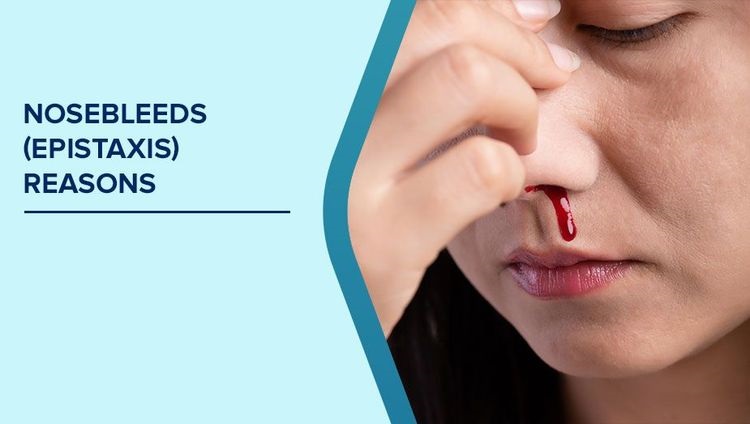
Epistaxis, commonly known as a nosebleed, is the loss of blood from the tissue that lines the inside of the nose. It is a common condition that affects people of all ages. While nosebleeds are usually not serious, they can be uncomfortable and alarming. Nosebleeds can occur for various reasons, from dry air to more serious underlying health issues.
What causes Epistaxis (Nosebleeds)?
Nosebleeds can be caused by several factors, including:
- Dry air – Low humidity, especially during the winter months, can dry out the nasal passages, causing the blood vessels inside the nose to crack and bleed.
- Nasal injury – A blow to the nose, excessive rubbing, or picking the nose can damage blood vessels and trigger a nosebleed.
- Allergies – Allergies can lead to nasal congestion and frequent sneezing, which can irritate the nasal passages and cause bleeding.
- Infections – Upper respiratory infections, such as colds or sinusitis, can inflame the nasal lining and cause bleeding.
- Medications – Some medications, especially blood thinners and nasal sprays, can increase the risk of nosebleeds by affecting the blood vessels in the nose.
- Anatomical issues – Deviated septum, nasal polyps, or other structural issues inside the nose can make it more prone to bleeding.
- Environmental factors – Exposure to smoke, chemicals, or other irritants can damage the nasal lining and contribute to nosebleeds.
- Underlying health conditions – Rarely, conditions such as bleeding disorders, high blood pressure, or liver disease may contribute to frequent or severe nosebleeds.
What are the symptoms of Epistaxis (Nosebleeds)?
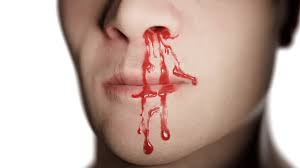
The main symptom of epistaxis is bleeding from the nose, which may occur suddenly. Other symptoms that may accompany a nosebleed include:
- Blood flow from one or both nostrils – The bleeding may be light or heavy and may flow from one side of the nose or both.
- Feeling of congestion or blockage – The bleeding may cause a sensation of stuffiness or obstruction in the nasal passages.
- Blood in the throat – In some cases, blood can drip down the back of the throat, leading to coughing or swallowing blood.
- Dizziness or lightheadedness – In severe cases, especially with a large amount of blood loss, a person may feel faint or dizzy.
- Pain or discomfort – Some people may experience mild discomfort or a feeling of fullness in the nose.
How is Epistaxis (Nosebleeds) diagnosed?
In most cases, a nosebleed can be diagnosed based on symptoms and a physical exam. If a person experiences frequent or severe nosebleeds, additional tests may be needed to identify the underlying cause. These tests may include:
- Physical exam – The doctor will examine the nose and look for signs of injury, infection, or other abnormalities.
- Blood tests – Blood tests may be ordered to check for underlying conditions that could be contributing to frequent nosebleeds, such as bleeding disorders.
- Nasal endoscopy – In some cases, a flexible tube with a camera (endoscope) may be used to inspect the inside of the nose for abnormalities, such as nasal polyps or a deviated septum.
- Imaging tests – In rare cases, X-rays or CT scans may be used to check for structural issues or other underlying causes of nosebleeds.
How is Epistaxis (Nosebleeds) treated?
Most nosebleeds can be managed at home with basic first aid. However, for frequent or severe nosebleeds, medical treatment may be necessary. Common treatments include:
- Pinching the nostrils – Pinching the nostrils together for 5 to 10 minutes can help stop most nosebleeds by applying pressure to the bleeding vessels.
- Tilting the head forward – To avoid swallowing blood, it is important to lean forward slightly while pinching the nostrils.
- Cold compress – Applying a cold compress to the back of the neck or the nose can help constrict blood vessels and reduce bleeding.
- Saline nasal spray – Using a saline spray or gel can help keep the nasal passages moist and prevent further irritation.
- Cauterization – If the bleeding is recurrent and comes from a specific area, a doctor may use a chemical or electrical cauterization procedure to seal the blood vessels.
- Nasal packing – In cases of severe bleeding, a doctor may place gauze or other materials inside the nose to stop the bleeding.
- Medications – For people with underlying conditions, medications such as topical nasal steroids or antibiotics may be prescribed to treat infections or reduce inflammation in the nasal passages.
Can Epistaxis (Nosebleeds) be prevented?
While not all nosebleeds can be prevented, there are steps you can take to reduce the frequency and severity of nosebleeds, including:
- Using a humidifier – Keeping the air in your home moist, especially in dry climates or during winter, can help prevent the nasal passages from drying out.
- Avoiding nasal trauma – Be gentle when blowing your nose, and avoid picking your nose or inserting objects into your nostrils.
- Managing allergies – Treating allergies with medications can reduce nasal irritation and prevent nosebleeds triggered by allergic reactions.
- Staying hydrated – Drinking plenty of fluids can help keep the mucous membranes in the nose moist.
- Using a saline nasal spray – Regular use of a saline spray can help keep the inside of the nose hydrated and reduce irritation.
- Avoiding irritants – Limit exposure to smoke, chemicals, and other environmental irritants that can dry out or damage the nasal passages.
What are the risks of Epistaxis (Nosebleeds)?
In most cases, nosebleeds are not serious and do not lead to complications. However, frequent or severe nosebleeds can have risks, including:
- Excessive blood loss – Although rare, a severe or prolonged nosebleed can lead to significant blood loss, resulting in anemia or shock.
- Infection – If the nasal passages are injured or if nasal packing is used, there is a risk of infection.
- Scarring or structural changes – Repeated nosebleeds or nasal trauma can sometimes lead to septal perforation (a hole in the nasal septum) or other structural changes.
Can people with Epistaxis (Nosebleeds) live a normal life?
Yes, most people who experience occasional or mild nosebleeds can lead a normal life. For those with frequent or severe nosebleeds, proper management and treatment can help prevent complications and improve quality of life. Avoiding triggers and following recommended treatments can significantly reduce the impact of nosebleeds.