


Dactylus malformation refers to a congenital condition where the fingers or toes do not develop normally. The term “dactylus” comes from the Greek word for fingers, and “malformation” indicates that the bones, joints, or soft tissues of the fingers or toes do not form correctly during fetal development. It is a type of skeletal dysplasia and can involve a range of deformities, from extra fingers or toes (polydactyly) to underdeveloped or fused digits (syndactyly).
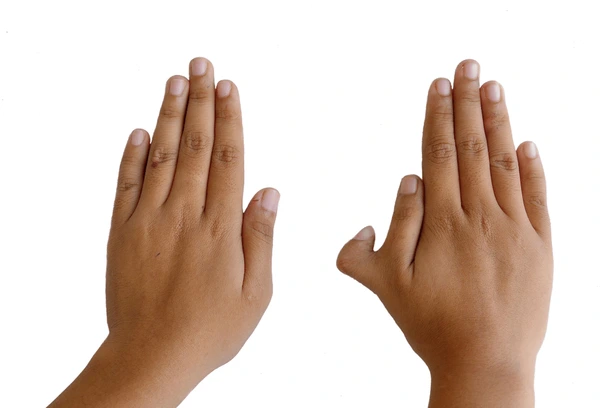
Types of Dactylus Malformation
Dactylus malformation can manifest in several ways:
- Polydactyly – The presence of extra fingers or toes.
- Syndactyly – Fusion of two or more digits.
- Brachydactyly – Shortened fingers or toes.
- Micromelia – Abnormally small or underdeveloped fingers or toes.
These deformities can be mild or severe, and they can occur in isolation or as part of a genetic syndrome.
What Causes Dactylus Malformation?
Dactylus malformation can be caused by several factors:
- Genetic mutations – Many cases are inherited, and certain genetic syndromes increase the likelihood of dactylus malformations. These may include:
- Polydactyly – Often inherited as a dominant trait.
- Syndactyly – Can be inherited in both autosomal dominant and recessive patterns.
- Brachydactyly – Usually inherited in an autosomal dominant manner.
- Syndromes such as Apert syndrome or Coffin-Siris syndrome may also cause dactylus malformations.
- Environmental factors – In rare cases, the condition can be influenced by environmental factors such as infections or toxins during pregnancy.
- Sporadic cases – Sometimes, dactylus malformations can occur randomly without any clear genetic or environmental cause.

What Are the Symptoms?
The primary symptom of dactylus malformation is abnormal development of fingers or toes. Specific symptoms vary based on the type of malformation:
- Polydactyly – Extra digits that may be fully formed or underdeveloped.
- Syndactyly – Two or more fingers or toes fused together.
- Brachydactyly – Shortened fingers or toes, which may affect hand or foot function.
- Micromelia – Small or underdeveloped digits, often seen in other skeletal conditions.
In some cases, the deformities may affect movement, dexterity, or overall functionality of the hand or foot. Some children may experience difficulty with tasks such as gripping, walking, or balancing.
How is Dactylus Malformation Diagnosed?
Dactylus malformation is typically diagnosed through:
- Physical examination – The abnormalities in finger or toe development are usually noticeable at birth.
- X-rays – To assess bone structure and any skeletal abnormalities.
- Genetic testing – If a genetic syndrome is suspected, genetic tests may help identify underlying causes.
- Prenatal ultrasound – In some cases, the malformations can be detected during pregnancy through ultrasound imaging.
What Treatment Options Are Available?
Treatment for dactylus malformation depends on the severity of the condition and whether it affects hand or foot function.
Surgical Treatment
- Surgery is often the preferred treatment, especially for cases involving fused digits (syndactyly) or extra digits (polydactyly). Surgical procedures may include:
- Separation of fused digits
- Removal of extra digits
- Bone and joint reconstruction if necessary
- Skin grafting to cover areas after surgery
- Rehabilitation and physical therapy are often required after surgery to restore mobility, flexibility, and function.
Non-Surgical Management
- In mild cases, surgery may not be needed, and the focus will be on ensuring that the child can perform normal activities without difficulty.
- Occupational therapy may help improve dexterity and coordination if functional impairment is present.
What is the Prognosis?
The prognosis for children with dactylus malformation largely depends on the severity and type of deformity. With early intervention and proper treatment:
- Surgical outcomes can be very positive, with most children achieving functional use of their hands or feet.
- Milder cases may not require surgery and may not significantly affect day-to-day life.
However, if the malformation is part of a larger genetic syndrome, the prognosis can vary, and other health concerns may need to be addressed.
When Should You See a Doctor?
It’s important to seek medical advice if:
- You notice any abnormal development of fingers or toes in a newborn or infant.
- A family history of dactylus malformation or related genetic syndromes exists.
- There are concerns about your child’s ability to use their hands or feet effectively.