


What is Postural Orthostatic Tachycardia Syndrome (POTs)
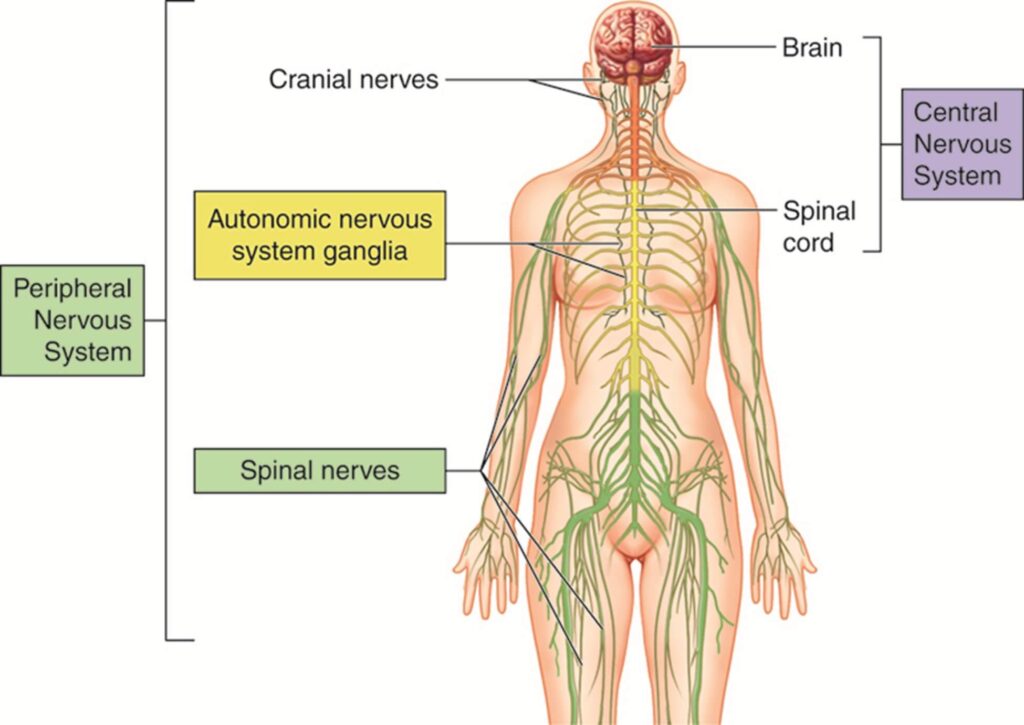
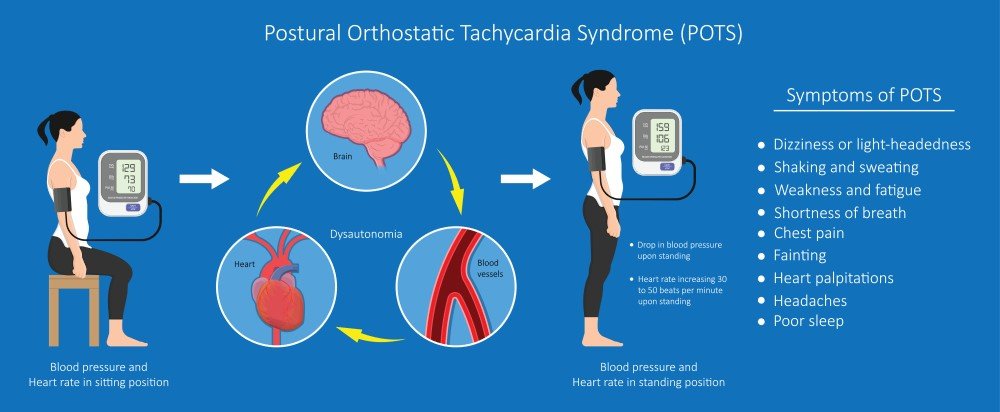
Postural Orthostatic Tachycardia Syndrome (POTS) is a disorder of the autonomic nervous system characterized by an excessive increase in heart rate upon standing. This condition leads to symptoms such as dizziness, lightheadedness, fatigue, and heart palpitations. POTS is often considered a form of dysautonomia, where the autonomic nervous system does not function properly.
What Causes POTS?
The exact cause of POTS is not fully understood, but several factors may contribute:
- Autonomic Dysfunction: Impaired regulation of heart rate and blood pressure.
- Blood Volume Deficiency: Reduced blood volume leading to decreased blood flow to the brain.
- Hyperadrenergic State: Elevated levels of norepinephrine causing increased heart rate.
- Neuropathic POTS: Damage to small nerve fibers affecting blood vessel constriction.
- Secondary Conditions: Associated with autoimmune diseases, diabetes, or following viral infections like COVID-19.
What Are the Symptoms of POTS?
Symptoms can vary but commonly include:
- Rapid heart rate upon standing
- Dizziness or lightheadedness
- Fatigue and weakness
- Brain fog and difficulty concentrating
- Heart palpitations
- Nausea and digestive issues
- Blurred vision
- Tremors or shaking
- Fainting (in some cases)
How is POTS Diagnosed?
Diagnosis typically involves:
- Tilt Table Test: Monitors heart rate and blood pressure changes upon tilting.
- Active Stand Test: Measures heart rate and blood pressure before and after standing.
- Blood Tests: To rule out other conditions.
- Autonomic Function Tests: Assess the autonomic nervous system’s response.
What Are the Treatment Options for POTS?
Treatment strategies may include:
- Lifestyle Modifications:
- Increasing fluid and salt intake
- Wearing compression stockings
- Avoiding prolonged standing
- Elevating the head of the bed
- Physical Therapy: Gradual exercise programs to improve circulation.
- Medications:
- Beta-blockers to control heart rate
- Fludrocortisone to increase blood volume
- Midodrine to constrict blood vessels
- Pyridostigmine to enhance nerve signaling
- Cognitive Behavioral Therapy (CBT): To manage stress and anxiety associated with POTS.
What Are the Potential Complications of Untreated POTS?
If left untreated, POTS can lead to:
- Chronic Fatigue Syndrome: Persistent and debilitating fatigue.
- Disability: Difficulty maintaining employment or daily activities.
- Depression and Anxiety: Due to chronic symptoms and lifestyle limitations.
What is the Prognosis for Individuals with POTS?
The outlook varies:
- Recovery: Many individuals experience significant improvement with appropriate treatment.
- Chronic Cases: Some may have persistent symptoms requiring long-term management.
- Quality of Life: With proper care, most individuals can lead active lives.
