


What Is Oesophagitis Dissecans Superficialis?
Oesophagitis Dissecans Superficialis (ODS) is a rare condition characterized by superficial inflammation and detachment of the mucosal lining of the oesophagus. This condition typically affects the upper layers of the oesophageal epithelium, leading to lesions, erosions, and sometimes even ulceration. It is often seen in animals, particularly dogs, but can also affect humans, though it is less common in the latter group. Oesophagitis Dissecans Superficialis is distinct in that it involves partial or complete sloughing of the oesophageal lining without deeper structural damage.
This condition may cause discomfort, difficulty swallowing, and in some cases, bleeding, but it is usually manageable with proper diagnosis and treatment. Early detection and intervention are essential to prevent complications and long-term damage to the oesophagus.
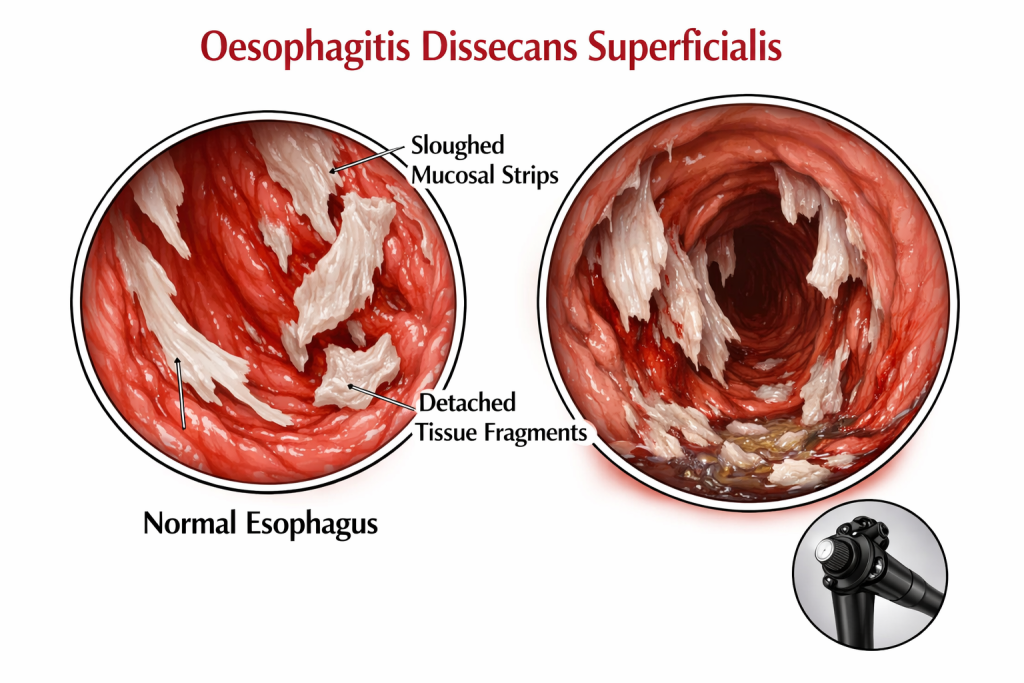
What Causes Oesophagitis Dissecans Superficialis?
The exact cause of Oesophagitis Dissecans Superficialis is not always well understood, but several factors have been identified as potential contributors. The primary causes include:
1. Infection
- Fungal Infections: Certain fungal infections, such as Candida, can cause superficial lesions in the oesophagus, leading to oesophagitis.
- Bacterial Infections: Bacterial infections, especially those caused by Helicobacter pylori or other bacteria, can inflame the oesophageal lining.
2. Medications
- Certain medications, especially non-steroidal anti-inflammatory drugs (NSAIDs), antibiotics, or other oral medications, can cause oesophageal irritation. In some cases, this irritation can lead to the superficial detachment of the mucosal lining.
3. Acid Reflux (GERD)
- Gastroesophageal Reflux Disease (GERD) is a common condition in which stomach acid repeatedly flows backward into the oesophagus, causing irritation and inflammation. Chronic acid reflux can lead to superficial oesophagitis.
4. Trauma
- Physical injury to the oesophagus, whether from foreign objects, excessive vomiting, or the insertion of medical instruments (such as during endoscopy), can lead to superficial damage to the oesophageal lining.
5. Autoimmune Conditions
- In rare cases, autoimmune disorders may cause the body to attack its own tissues, including the oesophagus, resulting in oesophagitis dissecans superficialis.
6. Ingestion of Irritants
- Swallowing caustic substances or chemicals can cause direct damage to the mucosal lining of the oesophagus, leading to superficial lesions.
7. Underlying Health Conditions
- Certain health conditions like Crohn’s disease, systemic lupus erythematosus, or other gastrointestinal disorders may increase the risk of developing oesophagitis dissecans superficialis.
What Are the Symptoms of Oesophagitis Dissecans Superficialis?
Symptoms of Oesophagitis Dissecans Superficialis may vary depending on the severity of the condition. Common signs include:
Common Symptoms:
- Painful Swallowing (Odynophagia)
- The inflammation and superficial damage to the oesophagus can cause significant discomfort during swallowing.
- Difficulty Swallowing (Dysphagia)
- Patients may experience a sensation of food getting stuck or difficulty swallowing solid foods, especially if the lesions are large or numerous.
- Chest Pain
- Chest discomfort or a burning sensation in the chest can occur, similar to the symptoms of acid reflux, due to oesophageal irritation.
- Regurgitation
- A sensation of food or liquids coming back up into the mouth, often associated with acid reflux, may occur due to oesophagitis.
- Coughing and Throat Clearing
- The irritation caused by oesophagitis can lead to frequent coughing or throat clearing, particularly after eating or drinking.
- Fever
- In cases where there is an infection or significant inflammation, the patient may develop a mild fever.
- Vomiting or Nausea
- In severe cases, vomiting may occur, sometimes with blood if the lesions become more severe or if bleeding develops.
- Mucus or Blood in Vomit or Stool
- Rarely, if the superficial lesions become deeper or cause bleeding, blood may be seen in vomit or stool.
If Left Untreated:
Untreated or poorly managed oesophagitis dissecans superficialis can lead to:
- Chronic inflammation of the oesophagus.
- Narrowing (stricture) of the oesophagus.
- Increased risk of infection or sepsis, especially if the lesions become ulcerated.
- Difficulty in eating or drinking, leading to malnutrition or dehydration.
How Is Oesophagitis Dissecans Superficialis Diagnosed?
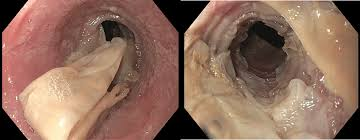
Diagnosis of Oesophagitis Dissecans Superficialis involves a combination of clinical evaluation and diagnostic tests. A healthcare provider will typically begin with a physical examination and take a detailed history of the patient’s symptoms.
Diagnostic Methods:
- Endoscopy (Esophagogastroduodenoscopy, EGD)
- A flexible tube with a camera is inserted through the mouth to directly examine the oesophagus. This allows the doctor to visualize the lesions, ulcers, and inflammation characteristic of oesophagitis dissecans superficialis.
- Biopsy
- During endoscopy, a small sample of tissue may be taken for a biopsy to rule out other conditions and confirm the diagnosis. This can also help determine if there is an underlying infection or autoimmune disorder.
- Barium Swallow
- A barium swallow involves swallowing a contrast material that can be seen on X-ray. This can help identify structural abnormalities or strictures in the oesophagus.
- Chest X-ray or CT Scan
- In severe cases, imaging may be done to rule out any complications, such as a perforation or infection, or to check for any other abnormalities affecting the oesophagus.
- Blood Tests
- Blood tests can help identify underlying infections, inflammatory markers, or autoimmune disorders that might be contributing to the condition.
How Is Oesophagitis Dissecans Superficialis Treated?
Treatment for Oesophagitis Dissecans Superficialis depends on the severity of the condition and the underlying cause. The goals of treatment are to reduce inflammation, heal the mucosal lining, and manage any associated symptoms.
1. Antibiotics or Antifungals
- If an infection is present, appropriate antibiotics or antifungal medications may be prescribed to clear the infection and prevent further complications.
2. Proton Pump Inhibitors (PPIs) or Antacids
- If acid reflux is contributing to the condition, proton pump inhibitors or antacids may be prescribed to reduce stomach acid and help prevent further damage to the oesophagus.
3. Steroids
- Inflammation can be reduced using corticosteroids, either topically or systemically, to calm the oesophageal lining and promote healing.
4. Dietary Modifications
- A soft, bland diet may be recommended to reduce irritation of the oesophagus. Patients may need to avoid spicy, acidic, or rough foods during the recovery period.
5. Pain Management
- Pain-relieving medications, such as non-steroidal anti-inflammatory drugs (NSAIDs) or acetaminophen, can help alleviate discomfort associated with swallowing or chest pain.
6. Avoidance of Irritants
- Avoiding medications or substances that could further irritate the oesophagus, such as NSAIDs, will help prevent exacerbation of the condition.
7. Supportive Care
- Patients may require supportive care, including nutritional support, especially if swallowing is difficult or painful.
8. Surgery (Rare Cases)
- In rare cases, when conservative treatment fails or complications arise, surgical intervention may be required to address severe scarring or damage to the oesophagus.
What Is the Prognosis for Oesophagitis Dissecans Superficialis?
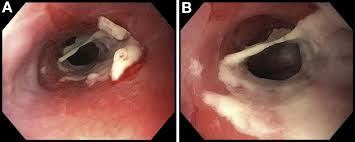
The prognosis for Oesophagitis Dissecans Superficialis is generally good, especially when diagnosed early and treated appropriately. Most cases resolve with medications, dietary changes, and proper care. However, if left untreated, complications like scarring or narrowing of the oesophagus (strictures) can occur, which may require further intervention.
When Should I See a Doctor?
If you or someone experiences any of the following symptoms, it’s essential to seek medical attention:
- Persistent pain or discomfort when swallowing.
- Difficulty swallowing, particularly with solids.
- Chest pain or a burning sensation that doesn’t resolve.
- Vomiting, especially if it contains blood or mucus.
- Signs of infection, such as fever or chills.
- Unexplained weight loss or difficulty eating.
Frequently Asked Questions (FAQs)
Is Oesophagitis Dissecans Superficialis a serious condition?
While it can be uncomfortable and cause difficulty swallowing, oesophagitis dissecans superficialis is usually treatable and not typically life-threatening. However, untreated cases can lead to more serious complications.
Can Oesophagitis Dissecans Superficialis heal on its own?
In mild cases, the condition may improve with dietary changes and proper medication. However, severe cases often require medical treatment to manage symptoms and prevent further complications.
How long does recovery take for Oesophagitis Dissecans Superficialis?
The recovery time can vary based on the severity of the condition and the response to treatment. Most patients improve within a few weeks with proper care.
