


What Are Stroke Risk Factors?
Stroke risk factors are conditions or behaviors that increase the likelihood of experiencing a stroke. These factors can be categorized into controllable and uncontrollable types. Managing controllable risk factors effectively can significantly reduce the risk of stroke.
What Causes Stroke?
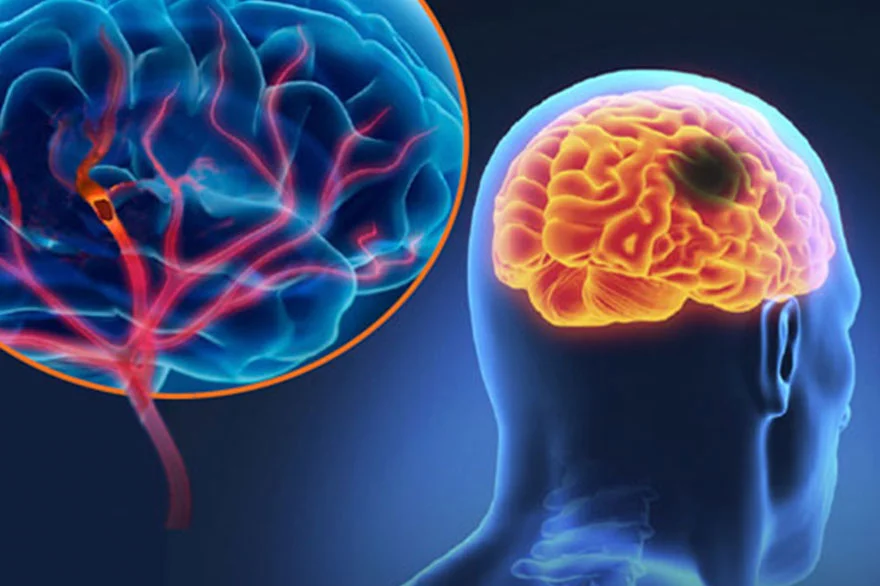
Strokes occur when there is a disruption in the blood supply to the brain. This can happen due to:
- Ischemic Stroke: Caused by a blockage in an artery supplying blood to the brain.
- Hemorrhagic Stroke: Resulting from the rupture of a blood vessel in or around the brain.
Certain risk factors can contribute to the occurrence of these types of strokes.
What Are the Risk Factors for Stroke?
Controllable Risk Factors:
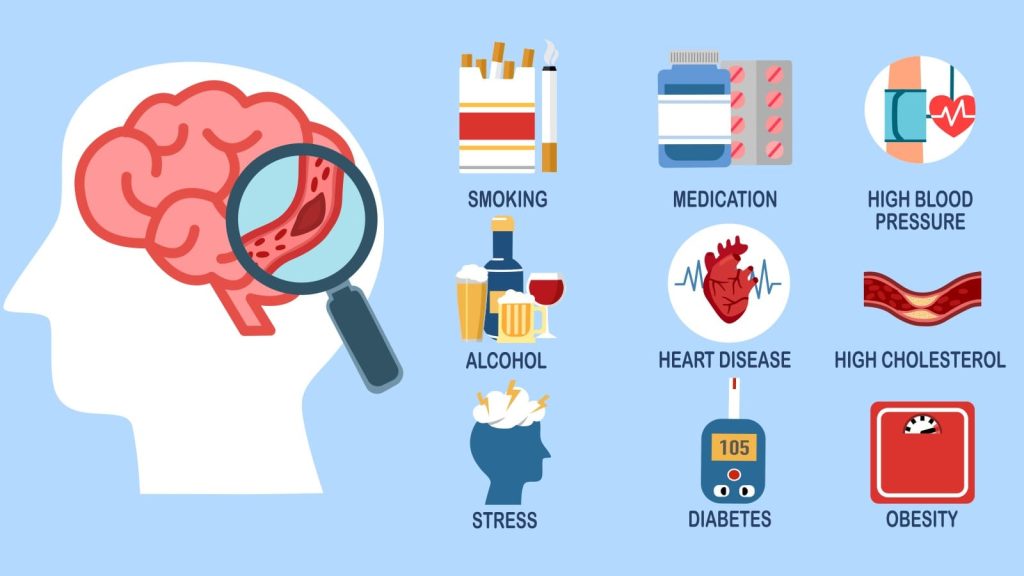
- High Blood Pressure: The leading cause of stroke; controlling blood pressure can significantly reduce stroke risk.
- High Cholesterol: Elevated cholesterol levels can lead to plaque buildup in arteries, increasing stroke risk.
- Heart Disease: Conditions like atrial fibrillation can increase the risk of stroke.
- Diabetes: Poorly controlled diabetes can damage blood vessels, leading to an increased stroke risk.
- Obesity: Excess weight is associated with higher blood pressure, diabetes, and high cholesterol, all of which increase stroke risk.
- Physical Inactivity: Lack of exercise contributes to obesity and other stroke risk factors.
- Smoking: Damages blood vessels and increases clot formation, raising stroke risk.
- Excessive Alcohol Consumption: Can increase blood pressure and contribute to stroke risk.
Uncontrollable Risk Factors:
- Age: Risk increases with age, particularly after 55.
- Gender: Men have a higher risk at younger ages, but women have a higher lifetime risk.
- Family History: A family history of stroke increases the risk.
- Race/Ethnicity: African Americans have a higher risk of stroke compared to other groups.
How Is Stroke Diagnosed?
Diagnosis involves:
- Medical History Review: Assessing risk factors and symptoms.
- Physical and Neurological Examination: Checking for signs of stroke.
- Imaging Tests: CT scans or MRIs to identify the type and location of the stroke.
- Blood Tests: To check for clotting disorders and other conditions.
What Are the Treatment Options for Stroke?
Treatment typically involves a multidisciplinary approach.
- Surgery: Removing the tumor when feasible.
- Chemotherapy: Using drugs to kill cancer cells or shrink tumors before surgery.
- Radiation Therapy: Targeting residual cancer cells post-surgery or when surgery isn’t possible.
- Clinical Trials: Exploring new therapies, including targeted treatments and immunotherapy.
Treatment plans are tailored based on tumor type, location, and stage.
Can Stroke Cause Complications?
Yes, stroke can lead to:
- Permanent Disability: Depending on the severity and location of the stroke.
- Cognitive Impairment: Memory and thinking problems.
- Emotional Changes: Depression and other mood disorders.
- Difficulty with Daily Activities: Challenges in performing routine tasks.
How Can Stroke Be Prevented?
Preventive measures include:
- Managing Health Conditions: Controlling blood pressure, cholesterol, and diabetes.
- Healthy Lifestyle Choices:Adopting a balanced diet, regular physical activity, and avoiding smoking and excessive alcohol consumption.
- Regular Health Screenings: Monitoring for early signs of stroke risk factors.
- Education and Awareness: Understanding stroke symptoms and seeking immediate medical attention if they occur.
