


What is Renal Parenchymal Disease?
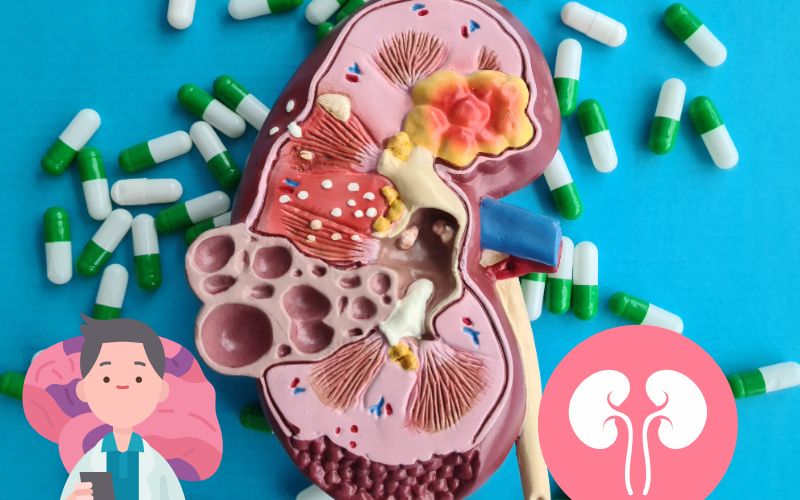
Renal Parenchymal Disease refers to a group of disorders that affect the functional tissue of the kidney, known as the renal parenchyma. This includes the kidney’s filtering units (glomeruli) and tubules. Damage to this tissue impairs the kidney’s ability to filter blood, leading to reduced kidney function and potentially chronic kidney disease or kidney failure.
What Causes Renal Parenchymal Disease?
Several conditions can cause damage to the renal parenchyma, including:
- Chronic glomerulonephritis, inflammation of the glomeruli
- Diabetic nephropathy, kidney damage due to diabetes
- Hypertensive nephrosclerosis, damage from high blood pressure
- Infections, such as pyelonephritis
- Autoimmune diseases, like lupus nephritis
- Polycystic kidney disease
- Drug toxicity (e.g., NSAIDs, certain antibiotics)
- Obstruction causing back pressure on kidney tissue
What Are the Symptoms of Renal Parenchymal Disease?
Symptoms may develop gradually and include:
- Swelling (edema) in legs, ankles, or around the eyes
- High blood pressure
- Fatigue and weakness due to anemia or toxin buildup
- Changes in urine output or appearance, such as foamy urine or blood in urine
- Loss of appetite, nausea, or vomiting in advanced disease
- Shortness of breath from fluid overload in severe cases
How Is Renal Parenchymal Disease Diagnosed?
Diagnosis involves:
- Medical history and physical examination
- Blood tests to assess kidney function (creatinine, blood urea nitrogen)
- Urinalysis to detect protein, blood, or abnormal cells
- Imaging studies such as ultrasound to evaluate kidney size and structure
- Kidney biopsy in some cases to determine specific cause and extent of damage
What Are the Treatment Options for Renal Parenchymal Disease?
Treatment depends on the underlying cause and severity:
- Managing underlying conditions such as diabetes and hypertension
- Medications to control blood pressure, reduce proteinuria, and manage complications
- Dietary changes such as reduced salt and protein intake
- Avoidance of nephrotoxic drugs
- Dialysis or kidney transplant in advanced kidney failure
- Regular monitoring to track kidney function and adjust treatment
Can Renal Parenchymal Disease Cause Complications?
Complications can include:
- Chronic kidney disease and progression to end-stage renal failure
- Cardiovascular disease due to associated hypertension and metabolic disturbances
- Electrolyte imbalances such as high potassium levels
- Anemia and bone disease related to kidney dysfunction
- Fluid overload leading to swelling and heart failure