


What is Thoracic Outlet Syndrome?
Thoracic Outlet Syndrome (TOS) is a condition caused by compression of the nerves, arteries, or veins in the thoracic outlet—the space between your collarbone and first rib. This compression can cause pain, numbness, and weakness in the shoulders, arms, and hands.
What Causes Thoracic Outlet Syndrome?
Common causes include:
- Physical trauma or injury to the shoulder or neck.
- Repetitive arm or shoulder movements.
- Anatomical abnormalities such as an extra rib (cervical rib) or tight muscles.
- Poor posture.
- Pregnancy or rapid weight gain causing pressure in the area.
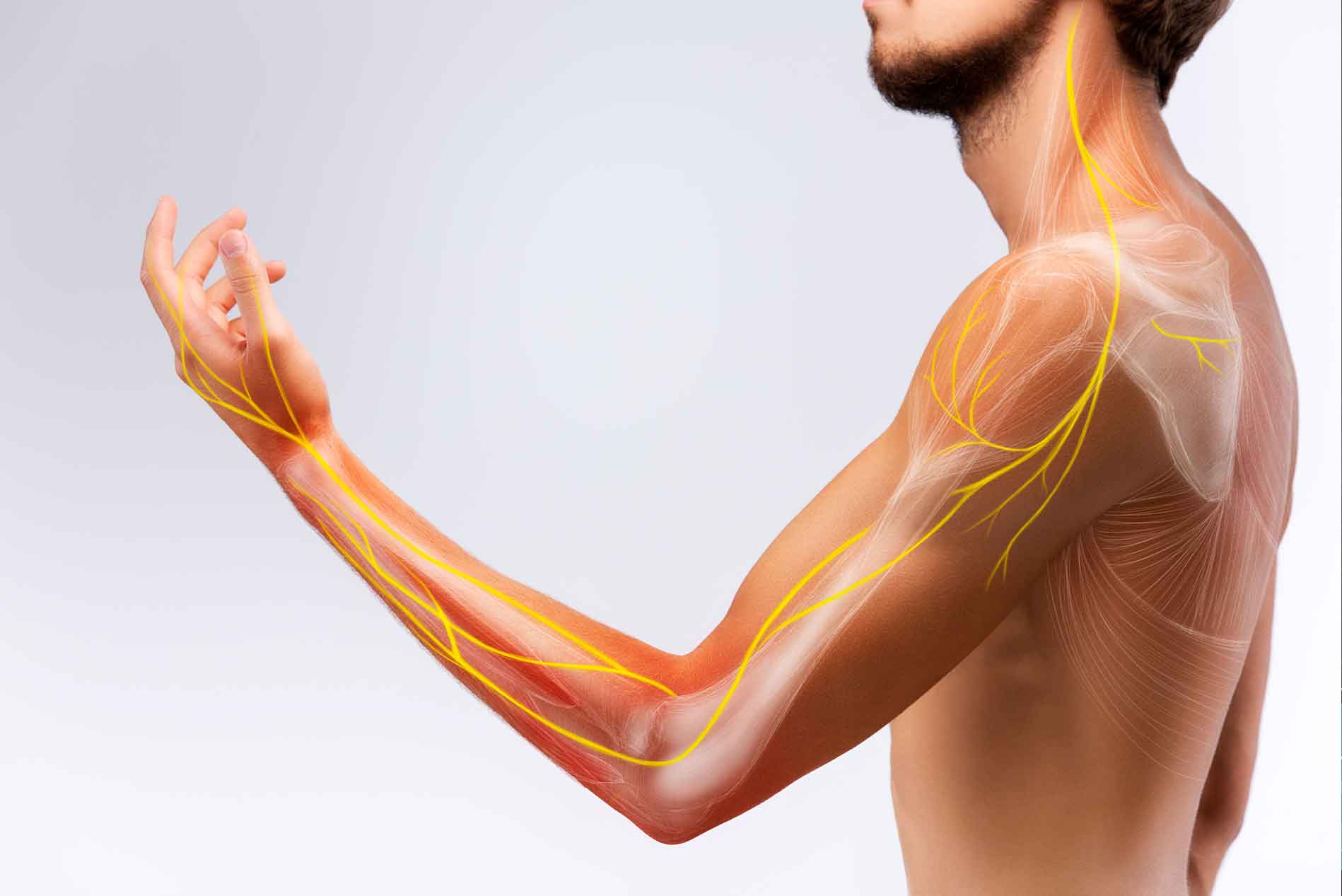
What are the Symptoms of Thoracic Outlet Syndrome?
Symptoms depend on the type of compression:
- Nerve compression (neurogenic TOS): Pain, numbness, tingling, or weakness in the arm and hand.
- Vein compression (venous TOS): Swelling, pain, and bluish discoloration of the arm.
- Artery compression (arterial TOS): Coldness, numbness, or weak pulse in the arm or hand.
How is Thoracic Outlet Syndrome Diagnosed?
Diagnosis may involve:
- Physical examination to assess symptoms and check for pulse changes.
- Imaging tests such as X-rays to identify bone abnormalities.
- Ultrasound or MRI to visualize blood vessels and nerves.
- Nerve conduction studies to evaluate nerve function.
How is Thoracic Outlet Syndrome Treated?
Treatment options include:
- Physical therapy to improve posture and strengthen shoulder muscles.
- Pain relief with medications such as anti-inflammatory drugs.
- Avoiding activities that worsen symptoms.
- In severe cases, surgery may be needed to relieve compression.

What is the Prognosis for Thoracic Outlet Syndrome?
Many people improve with conservative treatment. Early diagnosis and therapy help prevent long-term nerve or blood vessel damage. Surgery generally has good outcomes when needed.
Can Thoracic Outlet Syndrome Be Prevented?
Preventive steps include:
- Maintaining good posture.
- Avoiding repetitive overhead activities.
- Regular exercise to strengthen shoulder and neck muscles.
When Should You See a Doctor?
Consult a doctor if you experience:
- Persistent pain, numbness, or weakness in your arm or hand.
- Swelling or discoloration of the arm.
- Symptoms that interfere with daily activities.
Early treatment can improve symptoms and prevent complications.
